
Ladies Dresses
The Ultimate Guide to Choosing the Perfect Ladies Dress for Every Occasion in Pakistan
Jul
Choosing the Perfect Ladies Dress for Every Occasion in Pakistan
Finding the perfect dress can feel overwhelming, especially with the diverse occasions that call for different styles. From weddings to casual outings, the right dress can enhance your confidence and make a lasting impression. This guide is designed to help you navigate through the myriad of options available, ensuring you choose the ideal dress for every event.
Understanding Pakistani Fashion Trends
Pakistan boasts a rich tapestry of fashion influenced by cultural heritage, modern trends, and seasonal variations. Keeping an eye on current trends can significantly aid your shopping experience. For instance, during wedding season, vibrant and embellished dresses are in demand, while lighter fabrics are preferred during the hot summer months.
Current Trends to Consider
- Lawn Fabrics: These are a staple in Pakistani summer wardrobes. Known for their breathability and vibrant prints, they are perfect for both casual and semi-formal occasions.
- Embellished Designs: For festive occasions, dresses adorned with intricate embroidery or sequins are favored.
- Comfort Meets Style: With a growing trend towards comfort, many designers now focus on creating stylish yet easy-to-wear dresses that suit various body types.
Choosing the Right Dress for Different Occasions
Understanding the nature of the occasion is critical when selecting a dress. Here’s a breakdown of popular occasions and suitable dress styles:
1. Formal Events
For weddings, corporate events, or formal gatherings, opt for dresses that are elegant and sophisticated. A long chiffon or silk gown with subtle embellishments can work wonders.
2. Casual Outings
Casual events call for dresses that are comfortable yet stylish. A knee-length cotton dress or a maxi dress can be perfect for a day out with friends or family.
3. Festive Occasions
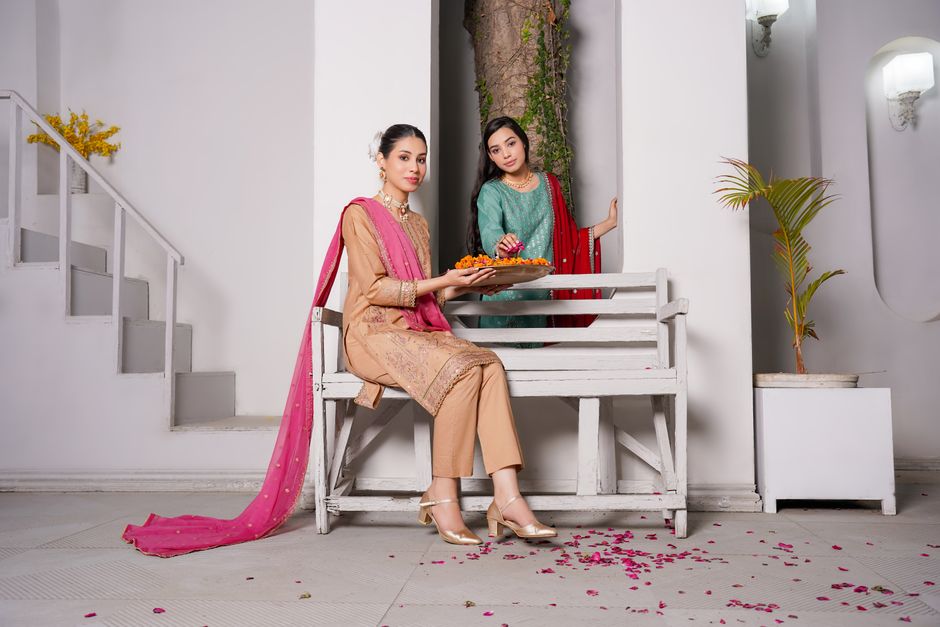
During Eid or other festivals, consider wearing traditional attire like a sharara or anarkali dress. These options are not only beautiful but also culturally significant.
4. Office Wear
When it comes to office wear, choose dresses that are professional yet stylish. A tailored shirt dress or a midi dress with a blazer can strike the right balance.
Factors to Consider When Buying a Dress
While style is crucial, there are several other factors to consider when purchasing a dress:
1. Fabric Selection
Different fabrics suit different occasions and seasons. Here’s a quick guide:
- Cotton: Great for summer; breathable and easy to maintain.
- Lawn: Perfect for casual and semi-formal wear; lightweight and vibrant.
- Silk: Ideal for formal events; luxurious and elegant.
- Chiffon: Flowy and feminine; suitable for both formal and casual occasions.
2. Body Type
Understanding your body type can help you choose dresses that flatter your figure. For example, A-line dresses suit most body shapes, while wrap dresses can enhance curves.
3. Color and Patterns
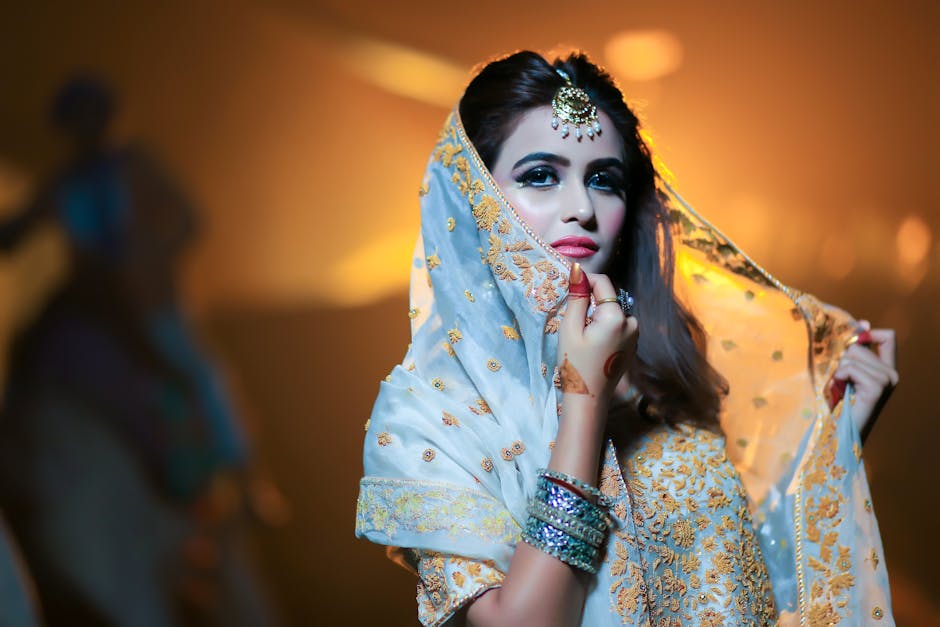
Colors can evoke different feelings and impressions. Bright colors are often associated with joy and celebration, while pastels can convey a more subdued elegance. Choose patterns that resonate with your personality and the occasion.
Common Mistakes to Avoid
When purchasing a dress, many shoppers make common mistakes. Here are a few to watch out for:
- Ignoring Size Charts: Always refer to the brand’s size chart, as sizes can vary significantly between brands.
- Not Considering Fabric Care: Some fabrics require special care; understanding this can save you from future hassle.
- Focusing Solely on Trends: While trends are important, choose dresses that reflect your personal style and comfort.
Expert Tips for Dress Shopping
Here are some tips from fashion experts to help you make better choices:
- Try Before You Buy: If shopping in-store, try the dress on. If shopping online, check the return policy.
- Invest in Timeless Pieces: Classic designs can be worn across multiple seasons and occasions.
- Accessorize Wisely: The right accessories can elevate even the simplest dress.

Comparison Table: Popular Dress Fabrics
| Fabric | Best for | Pros | Cons |
|---|---|---|---|
| Cotton | Summer wear | Breathable, easy to wash | Wrinkles easily |
| Lawn | Casual and formal | Lightweight, vibrant prints | Less durable |
| Silk | Formal events | Luxurious feel, elegant drape | High maintenance |
| Chiffon | Evening wear | Flowy, feminine look | Can be fragile |
FAQs
Which lawn fabric is best for Karachi summer?
Lawn fabric is ideal for Karachi’s summer due to its lightweight and breathable nature. Brands like Khaadi and Gul Ahmed offer high-quality lawn options that come in various vibrant prints suitable for both casual and formal settings.
How do I check stitching quality when buying online?
Look for detailed product images that showcase stitching. High-quality garments usually have neat, even stitches. If you’re unsure, check customer reviews for feedback on quality.
What are the best colors for formal dresses in Pakistan?
Formal dresses in Pakistan often feature deep jewel tones like emerald green, royal blue, and burgundy during weddings and formal events. Neutral tones like beige and black are also versatile choices.
How can I style a simple dress for a festive occasion?
You can elevate a simple dress by adding statement jewelry, a stylish clutch, and elegant footwear. Consider draping a dupatta or shawl for an added cultural touch.
Where can I find affordable yet stylish dresses in Pakistan?
Online platforms like ZarooriSaman.com, Limelight, and Ethnic often have a range of stylish dresses at affordable prices. Keep an eye on seasonal sales and promotions for the best deals.
Final Thoughts
Choosing the perfect ladies dress for any occasion in Pakistan is a blend of understanding personal style, current trends, and practical considerations. With this guide, you can confidently navigate the vibrant world of Pakistani fashion, ensuring that you find dresses that not only look good but also feel great. Embrace your unique style, and let your dress speak for you at every event.
Accessorizing Your Dress: The Finishing Touches
Once you’ve chosen the perfect dress, the next step is to consider how to accessorize it. Accessories can elevate your outfit and reflect your personal style. In Pakistan, where fashion is often intertwined with tradition, the right accessories can make or break your overall look.
Why Accessories Matter
Accessories serve not just as embellishments but also as expressions of your personality. They can transform a simple dress into a stunning ensemble, adding layers of sophistication and flair. Think of accessories as the punctuation marks in your outfit’s story—they can highlight or draw attention away from certain features.
Choosing the Right Accessories
- Jewelry: Opt for statement pieces that complement your dress. For formal events, consider wearing traditional jewelry like jhumkas or a statement necklace. For casual outings, a pair of delicate studs or a simple bracelet can suffice.
- Footwear: Your choice of shoes can influence the overall vibe of your outfit. Choose elegant heels for formal settings, while stylish flats or sandals work well for casual occasions.
- Bags: A chic handbag or clutch can add a touch of elegance. Match the color of your bag with your dress or choose a contrasting color for a pop.
- Dupattas and Shawls: In Pakistani culture, a dupatta can enhance the look of a dress, especially during festive occasions. Choose a dupatta that complements the fabric and color of your dress.
Expert Tips for Accessorizing
- Consider the Neckline: The neckline of your dress can guide your jewelry choices. A high neckline pairs well with statement earrings, while a low neckline allows for a bold necklace.
- Color Coordination: Use a color wheel to find complementary colors. If your dress is patterned, pick accessories that have a single color from the pattern to tie the look together.
- Seasonal Considerations: In summer, lightweight accessories are preferable, while in winter, you might want to opt for more substantial pieces.
Shopping Online vs. In-Store: Pros and Cons
When it comes to buying dresses, you can either shop online or visit local stores. Each option has its own advantages and disadvantages, which can influence your shopping experience.
Online Shopping: The Convenience Factor
- Pros:
- Wider Selection: Online stores often have a larger inventory, allowing you to browse various styles and brands in one place.
- Convenience: Shop from the comfort of your home at any time without the need to deal with crowds.
- Price Comparisons: Easily compare prices across multiple websites to find the best deals.
- Cons:
- Inability to Try On: Sizing can be inconsistent, and you won’t know how the dress fits until it arrives.
- Delayed Gratification: You must wait for shipping, which can be frustrating if you need a dress in a hurry.
In-Store Shopping: The Traditional Approach
- Pros:
- Immediate Gratification: You can try on dresses and take them home immediately.
- Personal Assistance: Sales staff can help you find styles that suit your body type and preferences.
- Cons:
- Limited Selection: Local stores may not have the variety of an online platform, especially for niche styles.
- Crowded and Time-Consuming: Shopping in-store can be overwhelming and time-consuming, especially during sales.
Expert Tips for a Successful Shopping Experience
- Set a Budget: Determine how much you’re willing to spend before you start shopping to avoid overspending.
- Research: Whether shopping online or in-store, read reviews and check return policies beforehand.
- Go with Friends: Having a second opinion can help you make better choices, especially when trying on dresses.

Understanding the Importance of Fit
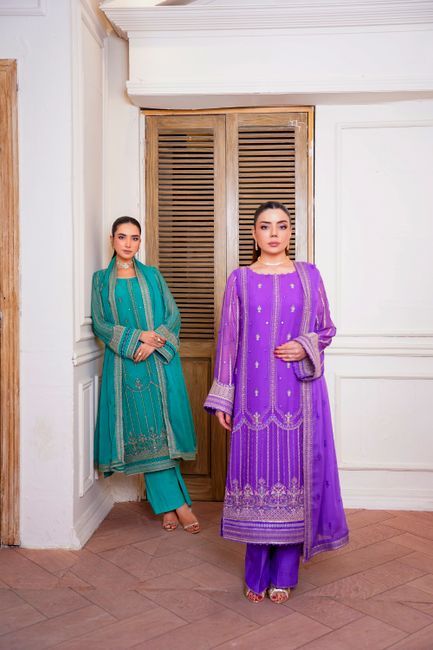
One of the most critical aspects of choosing a dress is ensuring that it fits well. A well-fitted dress enhances your silhouette, boosts your confidence, and ensures comfort throughout the day. In Pakistani culture, where modesty and elegance are valued, the fit of your dress can greatly influence your overall appearance.
Why Fit Matters
Fit affects not just how you look but also how you feel in your outfit. A properly fitted dress can highlight your best features while downplaying areas where you might feel less confident. In Pakistan, where attire often reflects cultural values, wearing a dress that fits well signifies respect for the occasion and the people attending.
How to Ensure a Perfect Fit
- Know Your Measurements: Before shopping, take accurate measurements of your bust, waist, and hips. Keep a measuring tape handy and refer to size charts provided by the retailer, especially when shopping online.
- Consider Tailoring: If you find a dress that you love but it doesn’t fit perfectly, consider taking it to a tailor. A few adjustments can make a world of difference in how the dress sits on your body.
- Try It On: When shopping in-store, always try on the dress. Move around in it—sit, walk, and raise your arms to ensure it’s comfortable in all positions.
Common Mistakes in Choosing Fit
- Focusing Solely on Size: Many women make the mistake of choosing a dress based on size alone. Always prioritize how the dress fits rather than the size label.
- Ignoring Fabric Stretch: Different fabrics have varying levels of stretch. For example, a fitted dress made of stretchy fabric may feel more comfortable than a non-stretch material, even if they are the same size.
- Overlooking Body Shape: Not all dresses suit every body shape. Understanding your body type can help you select styles that enhance your natural curves.
Color Psychology: Choosing the Right Hue for Your Dress
Color not only affects your appearance but also influences how you feel and how others perceive you. In Pakistan, color choices often reflect cultural significance and personal expression.
Understanding Color Psychology
Different colors evoke different emotions and reactions. For instance, red is often associated with passion and celebration, while blue exudes calmness and professionalism. Understanding these associations can help you choose a dress that fits the occasion and your mood.
How to Choose Colors for Various Occasions
- Formal Events: Opt for classic colors like black, navy, or deep jewel tones. These colors convey sophistication and elegance.
- Casual Outings: Lighter shades like pastels or floral prints can create a relaxed vibe. They are perfect for daytime events and casual gatherings.
- Festive Occasions: Bright colors such as red, green, or gold are often favored during celebrations and weddings, reflecting joy and festivity.
- Office Wear: Neutral shades like gray, beige, or muted colors are ideal for a professional setting, providing a polished and composed look.
Expert Tips for Color Coordination
- Complement Your Skin Tone: Choose colors that flatter your skin tone. Warm tones often look good in earthy colors, while cool tones can shine in bright and bold hues.
- Mix and Match: Don’t be afraid to combine colors. A neutral dress can be brightened with colorful accessories, while a vibrant dress can be toned down with subtle hues.
- Seasonal Colors: Consider the season when selecting a dress color. Bright colors are great for summer, while deeper shades are perfect for fall and winter.
Shopping for Sustainable Fashion in Pakistan
With the rise of environmental consciousness, sustainable fashion has become an essential consideration for many. As you shop for dresses, it’s worth exploring options that are eco-friendly and ethically produced.
The Benefits of Sustainable Fashion
Sustainable fashion prioritizes the welfare of the environment and the people involved in the production process. By choosing sustainable options, you can contribute to reducing waste and promoting fair labor practices.

How to Identify Sustainable Brands
- Look for Certifications: Brands that are committed to sustainability often have certifications such as Fair Trade or Global Organic Textile Standard (GOTS).
- Research Materials: Choose brands that use organic, recycled, or sustainably sourced materials. Avoid synthetic fabrics that contribute to pollution.
- Support Local Artisans: In Pakistan, many local designers focus on sustainable practices. Supporting them not only promotes ethical fashion but also helps preserve traditional crafts.
Common Mistakes to Avoid in Sustainable Fashion
- Falling for Greenwashing: Be cautious of brands that claim to be sustainable without providing concrete evidence or transparency regarding their practices.
- Neglecting Quality: Sustainable fashion often emphasizes quality over quantity. Invest in timeless pieces that will last, rather than fast fashion that quickly goes out of style.
- Ignoring Secondhand Options: Thrifting and buying secondhand dresses is a great way to embrace sustainability while finding unique pieces.
