
food
Essential Tips for Storing and Preserving Dry Fruits for Maximum Freshness

Aug
Best Storage Containers for Dry Fruits
Choosing the right storage container is crucial for maintaining the freshness of dry fruits. The ideal container should protect the fruits from light, air, and moisture, which can all contribute to spoilage. Here are some of the best options available:
- Glass Containers: Glass jars are excellent for storing dry fruits as they are airtight and do not absorb odors. They are also easy to clean and can be reused. Look for jars with a wide mouth for easy access and those that come with a tight-sealing lid to keep air out.
- Plastic Containers: While plastic containers are lightweight and often more affordable, they can vary in quality. Opt for BPA-free, food-grade plastic containers that have an airtight seal. Some plastic containers may not provide the same level of protection against odors and moisture as glass, so check for quality.
- Airtight Seals: Regardless of the material, ensure that the containers have an airtight seal. This will help in preventing moisture and air from entering, both of which can lead to spoilage. Vacuum-sealed bags are also a great option if you want to save space and ensure longevity.
In summary, for the best results in storing dry fruits, consider using glass containers or high-quality plastic options with airtight seals. This will help maintain their flavor and nutritional value for an extended period.
{{IMAGE_1}}
Ideal Storage Conditions for Dry Fruits
Once you have the right containers, it’s important to understand the ideal storage conditions that will preserve the freshness of your dry fruits. Here are key factors to consider:
Temperature Control
The ideal temperature for storing dry fruits is generally cool and stable. A temperature range of 15°C to 20°C (59°F to 68°F) is optimal. Avoid storing them in areas that experience temperature fluctuations, such as near ovens or in direct sunlight, as this can accelerate spoilage.
Humidity Levels
Humidity control is a critical aspect of dry fruit storage. Dry fruits should be kept in a low-humidity environment to prevent them from becoming soft, sticky, or moldy. Ideally, aim for humidity levels below 60%. Using silica gel packets or desiccants in your storage containers can help absorb excess moisture.
Light Exposure
Light can degrade the quality of dry fruits over time, leading to loss of flavor and nutrients. Store your containers in a dark place or choose opaque containers to shield the fruits from light exposure. This is especially important for nuts and dried fruits that contain oils, as light can cause them to go rancid more quickly.
By maintaining the right temperature, humidity levels, and minimizing light exposure, you can greatly extend the shelf life of your dry fruits and keep them tasting their best.
Common Mistakes in Storing Dry Fruits
Even with the best intentions, mistakes can happen when it comes to storing dry fruits. Here are some common errors to avoid:
- Improper Sealing: One of the most frequent mistakes is not sealing containers properly. Air exposure can lead to oxidation and spoilage. Always make sure your containers are tightly sealed after each use.
- Wrong Container Choice: Using non-food-safe plastics or containers that do not provide airtight seals can ruin the quality of dry fruits. Stick to glass or high-quality food-grade plastic.
- Wrong Location: Storing dry fruits in warm or humid places, like above the stove or in a cupboard that receives a lot of sunlight, can lead to quick deterioration. Choose a cool, dark, and dry location for storage.
Being aware of these common mistakes can help you take proactive steps to keep your dry fruits fresh and flavorful for longer.
How to Tell if Dry Fruits Have Gone Bad
Identifying whether your dry fruits are still good to eat is essential for both safety and enjoyment. Here are some indicators to look out for:
- Visual Signs: Check for any discoloration, mold, or unusual spots. If the dry fruits look significantly different from when you purchased them, it’s best to err on the side of caution.
- Texture Changes: Fresh dry fruits should be firm and slightly chewy. If they feel excessively hard, dry, or overly soft and mushy, they might be past their best.
- Smell Test: Trust your nose! If dry fruits have an off or rancid smell, it’s a clear sign that they have gone bad. Fresh dry fruits typically have a pleasant aroma.
By familiarizing yourself with these signs, you can ensure that you only consume fresh and safe dry fruits.

Comparison of Different Types of Dry Fruits and Their Storage Needs
Understanding the storage needs of various dry fruits can greatly enhance their longevity and flavor. Here’s a comparison of some popular dry fruits available in Pakistan, along with their specific storage requirements:
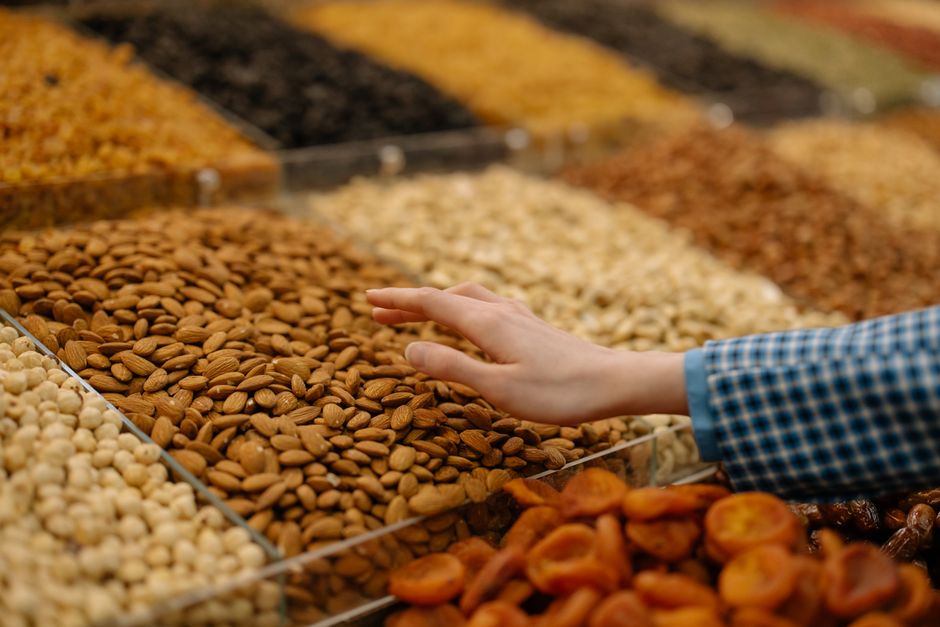
Almonds
- Storage Needs: Store in an airtight container in a cool, dark place. Refrigeration can extend shelf life.
- Humidity Sensitivity: Sensitive to humidity; should be kept away from moisture to prevent spoilage.
Cashews
- Storage Needs: Best stored in a sealed container at room temperature or in the refrigerator for longer preservation.
- Humidity Sensitivity: Highly susceptible to rancidity if exposed to moisture.
Walnuts
- Storage Needs: Store in a cool, dark place; refrigeration is recommended for extended freshness.
- Humidity Sensitivity: Sensitive to moisture, leading to mold growth and spoilage.
Dried Apricots
- Storage Needs: Keep in a sealed container in a cool, dry environment. Refrigeration can help maintain freshness.
- Humidity Sensitivity: Prone to becoming sticky or moldy in humid conditions.
Raisins
- Storage Needs: Store in an airtight container at room temperature; refrigeration can also be beneficial.
- Humidity Sensitivity: Can absorb moisture easily, leading to spoilage.
Figs
- Storage Needs: Should be stored in an airtight container in a cool, dark place. Refrigeration is advisable for longer shelf life.
- Humidity Sensitivity: High humidity can cause figs to spoil quickly.
When purchasing dry fruits online, it’s essential to consider these storage needs to ensure that you maintain their quality and flavor after opening. For families and health-conscious buyers, understanding these differences will help in planning meals and snacks efficiently.
Quick Tips for Preserving Freshness After Opening Packaging
Opening a package of dry fruits can expose them to air and moisture, which can compromise their freshness. Here are some quick tips to help maintain their quality after opening:
- Seal Immediately: Always reseal the package tightly after taking out the desired amount. Consider using an airtight container if the original packaging isn’t resealable.
- Store in the Fridge: For long-term storage, especially for nuts, consider refrigerating them to slow down the oxidation process.
- Avoid Sunlight: Store opened packages in a dark cupboard or pantry to prevent exposure to light, which can degrade the quality over time.
- Use a Vacuum Sealer: If you frequently buy dry fruits in bulk, consider investing in a vacuum sealer to remove air from the packaging.
- Monitor Regularly: Periodically check for any signs of spoilage, such as changes in smell, texture, or appearance.
These simple steps can significantly extend the life of your dry fruits, ensuring you enjoy their health benefits and flavors for longer. When shopping online for dry fruits, consider purchasing smaller quantities if you’re unsure about your consumption rate, as this can help avoid waste.
Nutritional Benefits of Dry Fruits
Dry fruits are not just tasty snacks; they also pack a nutritional punch. Here’s a closer look at the benefits of incorporating various dry fruits into your diet:
Almonds
- Rich in Vitamin E: Supports skin health and acts as a powerful antioxidant.
- Heart Health: May help lower cholesterol levels and reduce heart disease risk.
Cashews
- Mineral-Rich: High in magnesium, which is essential for bone health and energy production.
- Healthy Fats: Contains monounsaturated fats, beneficial for heart health.
Walnuts
- Omega-3 Fatty Acids: Excellent source of plant-based omega-3s, beneficial for brain health.
- Antioxidants: Packed with antioxidants that can help reduce inflammation.
Dried Apricots
- High in Fiber: Aids digestion and helps maintain a healthy gut.
- Vitamin A: Supports eyesight and immune function.
Raisins
- Natural Sweetener: Can be used as a healthier alternative to refined sugar in recipes.
- Iron Source: Provides important minerals that help combat anemia.
Figs
- High in Fiber: Helps regulate bowel movements and supports digestive health.
- Calcium Content: Contributes to bone health, making them an excellent addition to a balanced diet.
Incorporating various dry fruits into your meals can contribute to overall health and well-being. When buying online, aim for organic or high-quality dry fruits to maximize these health benefits. Always check the nutritional information and ingredient list to ensure you’re making a wise purchase.
How to Choose Quality Dry Fruits When Shopping Online
When shopping for dry fruits online, it’s essential to choose high-quality products to ensure you get the best flavor and nutritional benefits. Here are some tips to help you select quality dry fruits:
- Check for Freshness: Look for products that have a recent packing date. Freshly packed dry fruits are more likely to be flavorful and nutritious.
- Examine the Packaging: Ensure the packaging is intact, resealable, and includes information about storage conditions. Avoid products with damaged packaging.
- Read Reviews: Before making a purchase, read customer reviews to gauge the quality of the dry fruits. Look for consistent positive feedback about taste and freshness.
- Look for Certifications: Check if the dry fruits are certified organic or have any quality assurance labels, indicating they meet specific health and safety standards.
- Compare Prices: While shopping, compare prices across different platforms like Daraz, Metro, and Imtiaz to ensure you are getting a good deal without compromising quality.
By following these tips, you can confidently purchase dry fruits online, ensuring you receive products that meet your quality and freshness standards. This is especially important for families and health-conscious buyers who want to include nutritious snacks in their diet.
Pairing Dry Fruits with Honey and Shilajit for Health Benefits
Combining dry fruits with honey and shilajit can create a powerful health-boosting mixture. Here’s how each component contributes to health and some practical ways to combine them:
Health Benefits
- Honey: Acts as a natural sweetener, providing antioxidants and antibacterial properties. It can enhance the flavor of dry fruits while boosting energy levels.
- Shilajit: Known for its rejuvenating properties, shilajit is rich in minerals and fulvic acid, which can help with energy production and overall vitality.
How to Combine
- Snack Mix: Prepare a mix of your favorite dry fruits, drizzle with honey, and add a teaspoon of shilajit for a nutritious snack.
- Smoothies: Blend dry fruits with honey and a small amount of shilajit in your smoothies for added flavor and health benefits.
- Energy Bars: Make homemade energy bars using oats, dry fruits, honey, and shilajit for a quick, healthy snack.
When incorporating these ingredients, ensure that the honey is raw and organic, and the shilajit is sourced from reputable suppliers to maximize health benefits. This combination not only enhances the taste of dry fruits but also boosts their nutritional profile, making them an even more beneficial addition to your diet.
By following these tips and understanding the storage needs, nutritional benefits, and quality indicators, you can make informed decisions and enjoy the delightful world of dry fruits while maintaining their freshness and health benefits.
Ideal Storage Conditions for Maximum Freshness
To keep your dry fruits fresh for as long as possible, it’s essential to store them under the right conditions:
- Temperature: Aim for a cool, stable temperature. Ideally, dry fruits should be stored at temperatures between 10°C to 20°C (50°F to 68°F). Avoid places that experience frequent temperature fluctuations, such as near ovens or heaters.
- Humidity: Low humidity is key. Store dry fruits in a place with a relative humidity of 60% or lower. Excess moisture can lead to mold growth.
- Light Exposure: Keep dry fruits in dark places or use opaque containers to protect them from light exposure, which can degrade their quality over time.
Conclusion
Storing and preserving dry fruits effectively is essential for enjoying their delightful flavors and health benefits. By selecting the right storage containers, maintaining ideal storage conditions, and avoiding common mistakes, you can ensure the longevity and quality of your dry fruits. Whether you’re purchasing from local markets or online platforms like ZarooriSaman.com, being informed about how to choose quality products will enhance your shopping experience. Remember, with proper care and knowledge, you can savor the goodness of dry fruits for months to come.
FAQ
- How long can dry fruits be stored? Dry fruits can last anywhere from six months to a year if stored correctly in airtight containers in a cool, dry place.
- Can I freeze dry fruits? Yes, freezing dry fruits can extend their shelf life, but be sure to use airtight containers or vacuum-sealed bags to prevent freezer burn.
- What is the best way to rehydrate dry fruits? Soaking them in warm water or juice for 30 minutes to an hour is the best method to rehydrate dry fruits before use.
- Are there any health risks associated with spoiled dry fruits? Consuming spoiled dry fruits can lead to foodborne illnesses, so it’s essential to discard any that show signs of spoilage.
- How can I tell if my dry fruits are organic? Look for certifications on the packaging, and choose reputable sellers who provide detailed product information.
