
Homemade
How to Incorporate Dry Fruits into Your Daily Diet for Optimal Health
Aug
Understanding the Health Benefits of Dry Fruits
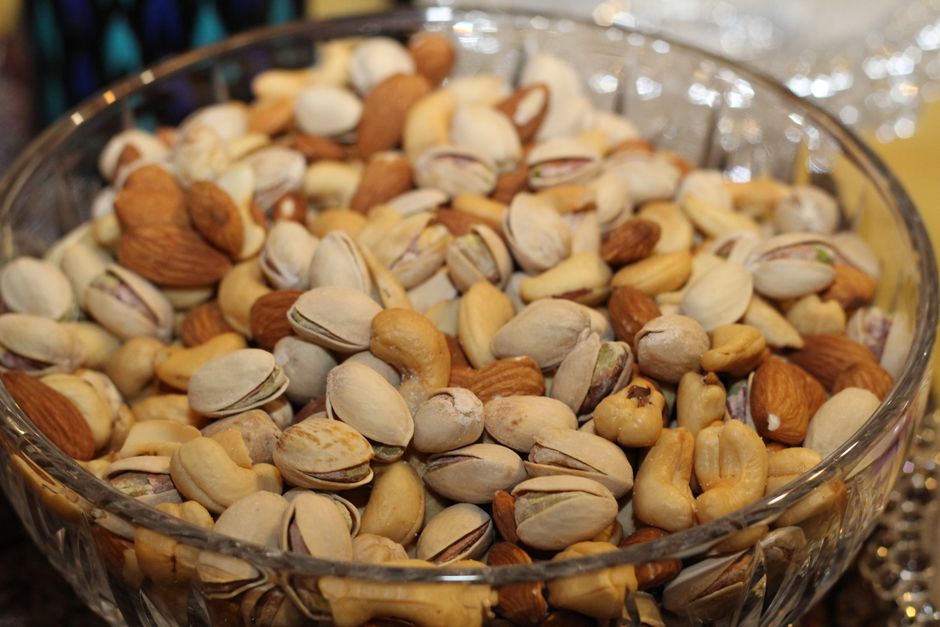
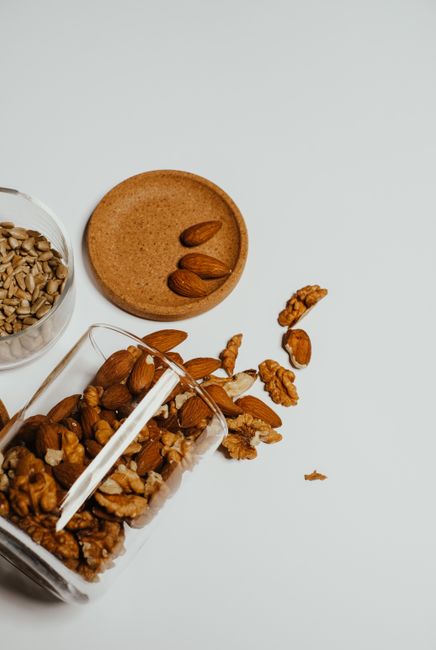
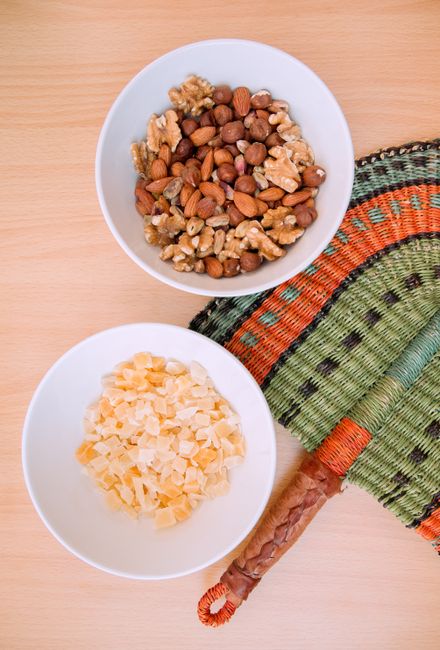
Dry fruits, often recognized as nutrient-dense snacks, offer a plethora of health benefits that make them an essential addition to your diet. Packed with vitamins, minerals, and antioxidants, these small powerhouses can contribute significantly to your overall wellness. One of the primary health benefits of dry fruits is their high concentration of nutrients. For instance, almonds provide vitamin E and magnesium, walnuts are rich in omega-3 fatty acids, and dates are an excellent source of dietary fiber.
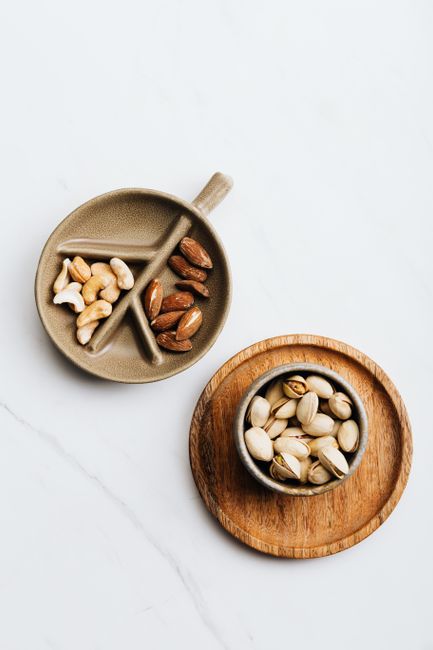
Furthermore, dry fruits are known to support heart health. Regular consumption of nuts, such as pistachios and cashews, has been linked to reduced cholesterol levels and improved heart function. The antioxidants found in these foods help combat oxidative stress, which is a contributing factor to cardiovascular diseases.
In addition to heart health, dry fruits can aid in weight management. Their high fiber content promotes satiety, reducing overall calorie intake. Including a handful of dry fruits as a snack can help curb cravings and prevent overeating during meals. Moreover, the natural sugars found in dry fruits provide a quick energy boost, making them an ideal snack for busy individuals.
Moreover, dry fruits have a positive impact on digestive health. The fiber present in products like figs and prunes can help regulate bowel movements and prevent constipation. This makes them an excellent choice for those looking to improve their digestive function.
In conclusion, the health benefits of dry fruits are multifaceted, ranging from heart health to digestive support. By incorporating a variety of dry fruits into your daily diet, you can enhance your nutritional intake and promote better health.
Ways to Incorporate Dry Fruits in Breakfast, Snacks, and Meals
Incorporating dry fruits into your daily meals is not only easy but also adds a delightful twist to your regular diet. Starting your day with dry fruits can set a healthy tone for the rest of the day. Here are several practical methods to incorporate them into your breakfast, snacks, and meals.
Breakfast Ideas
- Oatmeal with Dry Fruits: Add chopped dry fruits like apricots, raisins, or figs to your morning oatmeal. This not only enhances the flavor but also boosts the nutritional value.
- Smoothies: Blend your favorite fruits with a handful of dry fruits such as almonds or walnuts for a creamy, nutrient-packed smoothie.
- Yogurt Parfait: Layer yogurt with granola and dry fruits like cranberries or blueberries for a delicious breakfast parfait.
Snacking
Dry fruits make for an excellent healthy snack option. Instead of reaching for chips or candies, consider the following:
- Trail Mix: Create a homemade trail mix by combining your favorite dry fruits with nuts and seeds. This is a perfect on-the-go snack that provides energy and satisfaction.
- Nut Butter and Dry Fruits: Spread almond or peanut butter on whole grain toast and top it with slices of banana or dry fruits for a filling snack.
- Energy Balls: Mix oats, honey, and a variety of dry fruits to create energy balls. These can be stored and consumed throughout the week as a quick snack.
Meal Incorporation
Dry fruits can also be seamlessly included in your lunch and dinner meals:
- Salads: Toss a handful of dry fruits like pomegranate seeds or raisins into your salads to add a sweet contrast to the savory ingredients.
- Curries and Stir-fries: Incorporate dry fruits like apricots into curries or stir-fries for added texture and flavor. They pair exceptionally well with spices.
- Rice Dishes: Add dry fruits such as cashews or raisins into rice dishes for a delightful crunch and taste.
These methods not only make your meals more enjoyable but also ensure you are reaping the health benefits of dry fruits throughout the day.
Simple Recipes Using Dry Fruits
1. Dry Fruit Energy Bars
These homemade energy bars are perfect for a quick snack or post-workout boost. Combining dry fruits with nuts provides a balanced source of energy.
- Ingredients: 1 cup dates, 1/2 cup almonds, 1/2 cup walnuts, 1/4 cup dried apricots, 1/4 cup raisins, 2 tablespoons honey, and a pinch of salt.
Instructions:
- In a food processor, pulse the dates until they form a sticky paste.
- Add the almonds, walnuts, apricots, raisins, honey, and salt. Blend until mixed but still chunky.
- Press the mixture into a lined baking tray and refrigerate for at least an hour.
- Once set, cut into bars and enjoy. Keep refrigerated for freshness.
2. Dry Fruit Smoothie Bowl
This nutritious smoothie bowl is a delightful breakfast option that keeps you full and energized. The combination of flavors and textures will make it a family favorite.
- Ingredients: 1 banana, 1/2 cup yogurt, 1/2 cup milk, 1/4 cup mixed dry fruits (such as figs, cranberries, and apricots), and a handful of granola for topping.
Instructions:
- In a blender, combine the banana, yogurt, and milk. Blend until smooth.
- Pour the smoothie into a bowl and top with mixed dry fruits and granola.
- Serve immediately for a refreshing breakfast.
3. Spiced Dry Fruit Porridge
This warm porridge is ideal for chilly mornings and provides a comforting way to enjoy dry fruits.
- Ingredients: 1 cup oats, 2 cups water or milk, 1/4 cup mixed dry fruits (such as raisins, dates, and almonds), 1 teaspoon cinnamon, and honey to taste.
Instructions:
- In a pot, bring the water or milk to a boil and add the oats.
- Cook for about 5 minutes, stirring occasionally, until the oats are soft.
- Stir in the mixed dry fruits, cinnamon, and honey. Cook for another minute.
- Serve hot, garnished with additional dry fruits if desired.
4. Dry Fruit and Nut Salad
This vibrant salad is not only colorful but also packed with nutrients. It’s an excellent side dish or a light meal.
- Ingredients: 2 cups mixed greens, 1/2 cup chopped apples, 1/4 cup walnuts, 1/4 cup dried cranberries, and a simple vinaigrette dressing.
Instructions:
- In a large bowl, combine mixed greens, chopped apples, walnuts, and cranberries.
- Drizzle with your favorite vinaigrette dressing and toss gently.
- Serve immediately for a fresh and crunchy salad experience.
5. Dry Fruit Chutney
A flavorful chutney made with dry fruits can enhance any meal, from sandwiches to grilled meats.
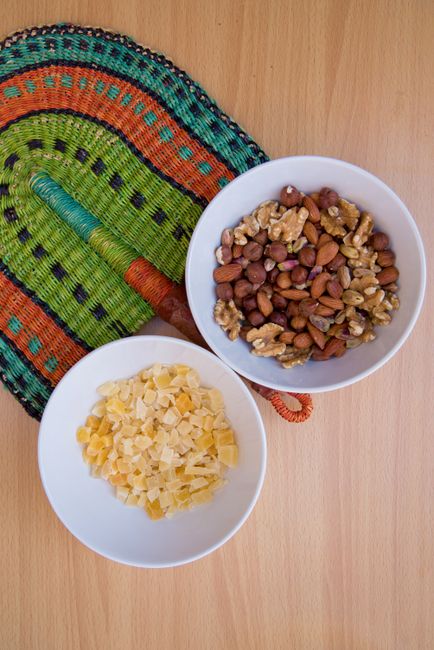
- Ingredients: 1/2 cup dried mangoes, 1/4 cup dried apricots, 1/4 cup raisins, 1 tablespoon ginger, 1 tablespoon cumin seeds, and 1/2 cup water.
Instructions:
- In a saucepan, combine all the ingredients and bring to a boil.
- Reduce heat and simmer for about 15 minutes, stirring occasionally, until the mixture thickens.
- Allow it to cool, then blend until smooth.
- Store in an airtight container in the refrigerator for up to two weeks.
6. Baked Dry Fruit Oatmeal
This baked oatmeal dish is perfect for meal prep and makes a hearty breakfast option for busy mornings.
- Ingredients: 2 cups rolled oats, 1/2 cup milk, 1/4 cup honey, 1 cup dry fruits (like figs, cranberries, and almonds), 1 teaspoon baking powder, and 1 teaspoon vanilla extract.
Instructions:
- Preheat your oven to 350°F (175°C).
- In a large bowl, mix all the ingredients until well combined.
- Pour the mixture into a greased baking dish and bake for about 25-30 minutes, or until golden brown.
- Let it cool slightly before cutting into squares. Serve warm or at room temperature.
7. Stuffed Dates
Stuffed dates make for an elegant and nutritious snack, perfect for gatherings or as a quick treat.
- Ingredients: 12 Medjool dates, 1/2 cup cream cheese or nut butter, and a sprinkle of crushed pistachios or almonds.
Instructions:
- Carefully slice the dates open and remove the pits.
- Fill each date with cream cheese or nut butter.
- Sprinkle crushed nuts on top for added crunch.
- Serve as a delightful snack or appetizer.
These simple recipes make it easy to incorporate dry fruits into your daily meals while enjoying their distinct flavors and health benefits. Next, let’s explore how to choose the best quality dry fruits for your diet.
Buying Tips for Choosing Quality Dry Fruits
When it comes to incorporating dry fruits into your daily diet, selecting high-quality products is crucial. The quality of dry fruits can significantly affect their taste, nutritional value, and overall health benefits. Here are some practical tips to help you choose the best dry fruits available in Pakistan.
Look for Natural Ingredients
Always check the ingredient list when purchasing dry fruits. The best options should contain only the fruit itself, with no added sugars, preservatives, or artificial colors. For example, look for labels that say ‘no added sugar’ or ‘100% natural.’ This ensures you are consuming the purest form of the fruit, maximizing its health benefits.
Check for Moisture Content
Quality dry fruits should not be overly moist or excessively dry. A slight moisture content is acceptable, particularly for fruits like apricots or figs, as it hints at freshness. However, overly moist fruits can lead to mold, while overly dry ones may be stale. When buying in bulk, feel free to squeeze the fruit gently to assess its moisture level.
Examine the Color and Appearance
Vibrant colors typically indicate that the dry fruits are fresh and have retained their nutrients. For instance, raisins should be a rich dark color, while apricots should be a bright orange. Avoid fruits that appear dull, overly dark, or have an ashy coating, as these may be signs of poor quality or excessive processing.
Smell Before You Buy
The aroma can also serve as a quality indicator. Fresh dry fruits should have a pleasant, fruity smell. If the fruit smells fermented or off, it may not be fresh. When shopping at local markets or stores like Metro or Imtiaz, take a moment to inhale before purchasing.
Buy from Reputable Sources
Opt for well-known brands or trusted local vendors who specialize in dry fruits. Major retailers such as Daraz, Al-Fatah, or Naheed often have a reputation to uphold and are more likely to offer quality products. If you’re buying online, read customer reviews and check ratings to ensure the reliability of the seller.
Consider Packaging
Packaging can provide essential information about the product’s quality. Look for vacuum-sealed or resealable bags that help maintain freshness. Avoid products that are sold in bulk bins unless you can inspect them closely. Also, check the expiration date to ensure you’re buying fresh inventory.
Price vs. Quality
While it’s tempting to go for the cheapest option, remember that quality often comes at a price. Dry fruits that are significantly cheaper than others may be of lower quality or could have been stored improperly. Compare prices across different brands, but prioritize quality over cost.
Seasonal Buying Tips
Some dry fruits are more abundant during specific seasons. For example, dates are widely available during Ramadan, and you may find better deals at that time. Keep an eye on seasonal sales, especially in supermarkets and local markets, to get the best quality at reasonable prices.
Common Pitfalls to Avoid
- Buying Bulk Without Inspection: Always check the quality before purchasing in bulk.
- Neglecting Local Markets: Local markets often have fresher options than packaged products.
- Ignoring Certifications: Look for organic certifications or quality marks that assure product integrity.
- Overlooking Allergens: Some dry fruits might be processed in facilities that handle nuts or other allergens; read labels carefully.
By following these tips, you can ensure that you are selecting high-quality dry fruits that not only taste great but also contribute positively to your health. Next, let’s look at how to store dry fruits to maintain their freshness and nutritional value.
Storage Tips for Maintaining Freshness of Dry Fruits
Proper storage is crucial for preserving the quality and nutritional value of dry fruits. Here are some effective tips to keep your dry fruits fresh for longer:
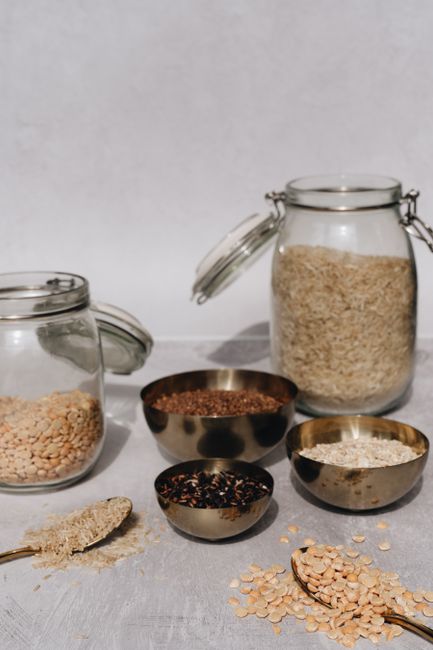
- Airtight Containers: Store dry fruits in airtight glass or plastic containers to prevent moisture absorption. This is particularly important in humid climates like Pakistan.
- Cool, Dark Places: Keep your containers in a cool, dark place, such as a pantry or cupboard. Avoid exposure to direct sunlight, which can degrade the quality.
- Refrigeration: For long-term storage, consider refrigerating or even freezing dry fruits. This can help maintain their texture and flavor, especially for more delicate varieties like apricots and figs.
- Do Not Store with Strong Odors: Keep dry fruits away from foods with strong odors, as they can absorb these smells. Garlic and onions are prime examples.
- Check Regularly: Periodically inspect your stored dry fruits for any signs of spoilage, such as mold or unusual odors. Remove any affected pieces immediately to prevent contamination.
Combining Dry Fruits with Other Healthy Foods
One of the best ways to enjoy dry fruits is to combine them with other healthy foods. Here are some ideas for pairing dry fruits to enhance their nutritional profile and flavor:
- Yogurt Parfaits: Layer dry fruits with yogurt, granola, and honey for a delicious and nutritious breakfast or snack. Nuts can also be added for extra crunch and protein.
- Salads: Add chopped dry fruits like raisins, apricots, or cranberries to salads for a sweet and chewy contrast to crisp greens. They pair well with nuts and seeds for added texture.
- Oatmeal and Smoothies: Mix dry fruits into your morning oatmeal or blend them into smoothies. This not only adds natural sweetness but also boosts the fiber content.
- Nut Butters: Spread nut butter on whole-grain toast and top it with dry fruits for a satisfying snack that combines healthy fats and carbohydrates.
- Baking: Incorporate dry fruits into baked goods like muffins, cookies, or bread. They add moisture and flavor, while also upping the nutrient value.

Nutritional Values of Popular Dry Fruits
Understanding the nutritional values of popular dry fruits can help you make informed choices when incorporating them into your diet. Here’s a quick overview of some common dry fruits and their benefits:
| Dry Fruit | Nutritional Benefits | Calories (per 100g) |
|---|---|---|
| Almonds | Rich in healthy fats, protein, magnesium, and vitamin E. Supports heart health. | 579 |
| Cashews | Good source of antioxidants, copper, and magnesium. Promotes bone health. | 553 |
| Raisins | High in iron, potassium, and antioxidants. Aids digestion. | 299 |
| Dried Apricots | Excellent source of vitamin A, fiber, and potassium. Good for skin health. | 241 |
| Dried Figs | High in fiber, calcium, and antioxidants. Supports digestive health. | 249 |
Conclusion
Incorporating dry fruits into your daily diet can provide a plethora of health benefits, from improved digestion to enhanced energy levels. By understanding how to store them properly, combining them with other healthy foods, and recognizing their nutritional value, you can make the most out of these delicious snacks. As you explore different ways to enjoy dry fruits, remember to choose high-quality options and store them correctly to maintain their freshness. Whether you shop online or visit local markets in Pakistan, make informed decisions to enhance your family’s health and well-being.
FAQ
- How should I store dry fruits to keep them fresh? Use airtight containers, store in cool, dark places, and consider refrigeration for long-term storage.
- Can I eat dry fruits every day? Yes, but moderation is key. Including a small handful daily can provide health benefits without excessive calorie intake.
- Are all dry fruits healthy? Most dry fruits are nutritious, but be mindful of added sugars in some packaged varieties. Always check the labels.
- How can I tell if dry fruits are of good quality? Look for vibrant colors, a pleasant aroma, and avoid any that appear overly dry or have visible mold.
- What are some easy recipes using dry fruits? You can make yogurt parfaits, add them to salads, or use them in baked goods like muffins and cookies.
