
Healthy Foods
How to Choose the Best Natural Sweeteners for Healthy Cooking in Pakistan
Aug
Introduction to Natural Sweeteners and Their Benefits
When it comes to healthy cooking, choosing the right sweetener is crucial. Natural sweeteners are derived from plant sources and are less processed than traditional refined sugars. They come with a variety of health benefits, making them an excellent choice for those looking to maintain a balanced diet. Unlike refined sugars, which can contribute to various health issues such as obesity and diabetes, natural sweeteners offer a more wholesome alternative that can enhance your meals without the associated health risks.
Natural sweeteners can help in regulating blood sugar levels, providing essential nutrients, and improving overall health. They often contain vitamins, minerals, and antioxidants that support bodily functions. Incorporating these sweeteners into your diet can promote better health outcomes, making them a valuable addition to your cooking repertoire.
Types of Natural Sweeteners Available in Pakistan
In Pakistan, a range of natural sweeteners is available that not only cater to diverse palates but also align with healthy cooking practices. Below, we explore some of the most popular options:
1. Honey
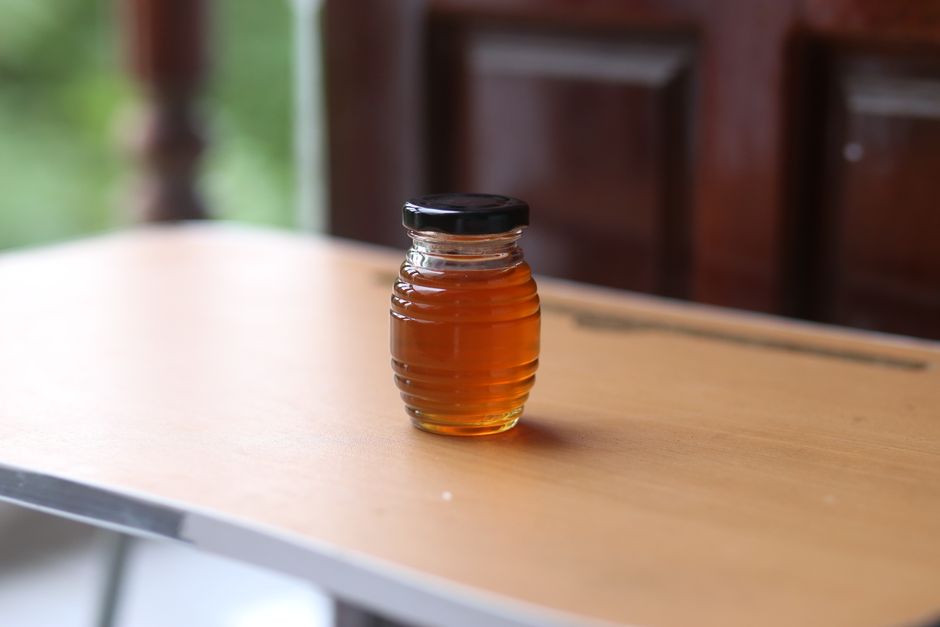
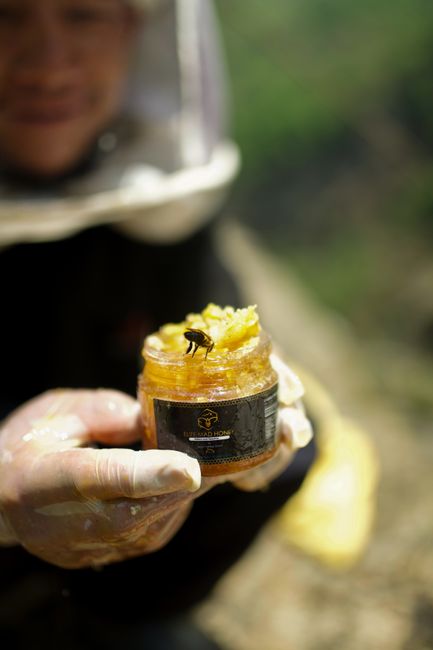
Honey is one of the most cherished natural sweeteners in Pakistan. Known for its rich flavor and numerous health benefits, honey is a powerhouse of antioxidants and has antimicrobial properties. It is great for sweetening beverages and can be used in various dishes, from marinades to desserts. When purchasing honey, look for raw or organic varieties to ensure you are getting the highest quality.
2. Jaggery
Jaggery, or ‘gur’, is a traditional sweetener made from sugarcane or date palm sap. It retains its molasses, providing a rich flavor and numerous nutrients, including iron and calcium. Jaggery is often used in Pakistani sweets and can also be incorporated into savory dishes. When choosing jaggery, ensure it is unrefined to maximize its health benefits.
3. Dates
Dates are not only a popular snack but also an excellent natural sweetener. They are high in fiber, vitamins, and minerals, making them a nutritious option. You can use date paste in baking or as a sweetener in smoothies and other recipes. In Pakistan, various types of dates, such as Medjool and Ajwa, are available, each with its unique flavor and sweetness level.
4. Shilajit
Shilajit is a lesser-known natural sweetener but is gaining popularity due to its numerous health benefits. It is a mineral-rich substance found in the Himalayas and is known for boosting energy and overall wellness. While it is typically consumed in small amounts, it can be added to teas or smoothies for a natural energy boost.
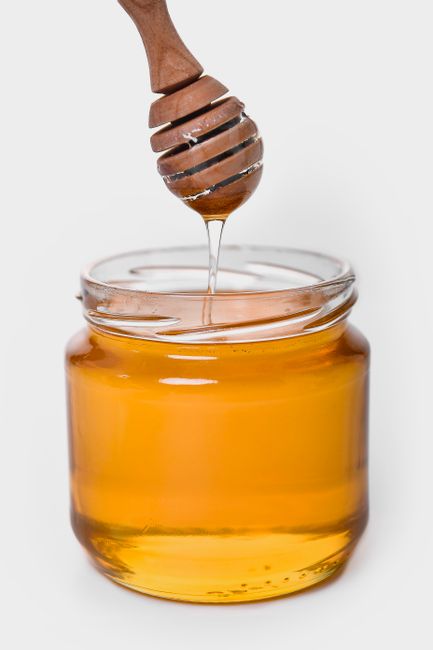
Each of these natural sweeteners has its unique properties and benefits, making them versatile options for healthy cooking. Understanding these differences is essential in making an informed choice that aligns with your health goals and culinary preferences.
Comparative Analysis of Sweetness, Health Benefits, and Uses in Cooking
When choosing a natural sweetener, it is essential to consider their sweetness levels, health benefits, and how they can be incorporated into various dishes. The following section provides a comparative analysis of some popular natural sweeteners available in Pakistan, including honey, dates, jaggery, and shilajit.
Sweetness Levels
Natural sweeteners vary significantly in their sweetness levels. Understanding how sweet each option is can help you use them more effectively in cooking and baking.
- Honey: Honey is often sweeter than table sugar, with a sweetness level that can range from 1.5 to 2 times that of sucrose. This means you can use less honey in recipes while still achieving the desired sweetness.
- Dates: Dates are also quite sweet, containing natural sugars that can make them a perfect substitute in desserts. Their sweetness level is comparable to that of honey, making them a great option for smoothies and energy bars.
- Jaggery: Jaggery is less sweet than honey and dates. It has a unique flavor profile that can enhance the taste of various dishes, especially in traditional Pakistani desserts and savory meals.
- Shilajit: Shilajit is not primarily used for its sweetness but rather for its health benefits. Its flavor is earthy, and it should be used sparingly.
Health Benefits
Each natural sweetener comes with its unique health benefits, making them appealing beyond just their sweetening properties. Here’s a closer look at what each one offers:
- Honey: Known for its antioxidant properties, honey can help soothe sore throats and provides quick energy. It also has antimicrobial properties that can aid in digestion.
- Dates: Rich in fiber, vitamins, and minerals, dates promote digestive health and provide sustained energy. They are also a great source of antioxidants.
- Jaggery: Jaggery is packed with iron, which can help in preventing anemia. It also aids digestion and can be beneficial for respiratory health.
- Shilajit: This mineral-rich substance is known for boosting energy levels and improving stamina. It is also believed to enhance cognitive function and overall wellness.
Uses in Cooking
The versatility of each sweetener allows for a wide range of culinary applications:
- Honey: Perfect for sweetening beverages, drizzling over yogurt, or incorporating into salad dressings and marinades. Honey can also be used in baking, but be mindful of adjusting the liquid content in recipes.
- Dates: Often used in energy bars, smoothies, and desserts, dates can be blended into pastes or chopped for adding sweetness to baked goods. They work well in savory dishes as well, such as tagines and stews.
- Jaggery: Traditionally used in Pakistani sweets like gulab jamun and kheer, jaggery can add depth to curries and chai. It can also be grated and used as a sweetener in various dishes.
- Shilajit: Typically consumed in small amounts, shilajit can be added to teas or smoothies. It is not generally used for sweetening food but rather as a health supplement.
Comparative Table of Sweetness, Health Benefits, and Uses
| Sweetener | Sweetness Level | Health Benefits | Common Uses |
|---|---|---|---|
| Honey | 1.5-2 times sweeter than sugar | Antioxidant, antimicrobial, aids digestion | Beverages, baking, dressings |
| Dates | Comparable to honey | High in fiber, vitamins, and minerals | Energy bars, smoothies, desserts |
| Jaggery | Less sweet than honey | Rich in iron, aids digestion | Sweets, curries, chai |
| Shilajit | Not primarily sweet | Energy booster, cognitive enhancer | Teas, smoothies (as a supplement) |
By understanding the comparative sweetness levels, health benefits, and culinary applications, you can make informed decisions about which natural sweeteners to incorporate into your cooking. This knowledge not only supports your health goals but also enhances your culinary creativity.
Guidelines for Sourcing Quality Natural Sweeteners in Pakistan
When it comes to sourcing natural sweeteners in Pakistan, quality is paramount. The market is flooded with various options, and not all are created equal. To ensure that you’re making healthy choices for your family, consider the following guidelines:
1. Look for Organic Certification
Whenever possible, choose sweeteners that are certified organic. This ensures that they are free from synthetic pesticides and fertilizers, maintaining the purity and nutritional value of the product. Look for labels that indicate organic certification by recognized bodies.
2. Check for Authenticity
In the market, especially local bazaars, you might encounter issues with authenticity. For example, some sellers may mix pure honey with sugar syrup. To verify authenticity:
- Conduct a taste test; pure honey has a distinct floral flavor.
- Check for sediment or granules in honey, which can indicate natural processing.
- Ask vendors about the source of their products and be wary of vague answers.
3. Consider Packaging
Quality packaging not only preserves the sweetener but also reflects the brand’s commitment to quality. Look for:
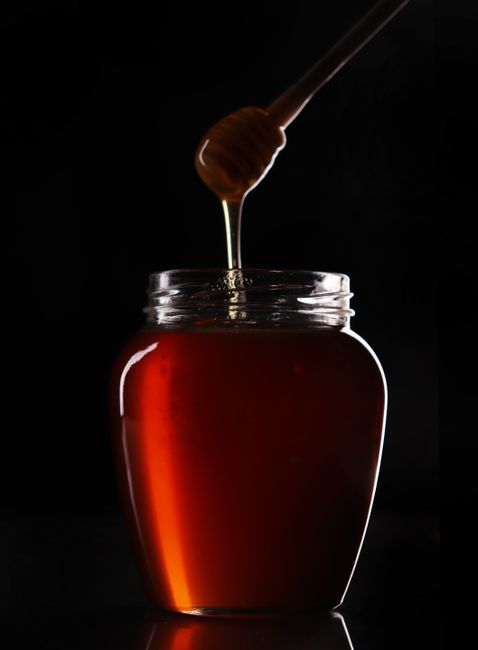
- Glass jars for honey, which prevent contamination.
- Re-sealable bags for powdered sweeteners like jaggery, which help maintain freshness.
- Labels that clearly state the ingredients with no added fillers or preservatives.
4. Buy from Reputable Sources
When purchasing natural sweeteners, consider buying from well-known retailers or trusted online platforms such as ZarooriSaman.com, Daraz, or local health food stores. These platforms often have strict quality controls and customer reviews that can guide your purchase.
5. Seasonal and Local Sourcing
Natural sweeteners like dates and jaggery tend to be seasonal. Purchasing these products during their peak seasons (like dates during Ramadan) not only ensures better quality but can also be more economical. Local markets often have fresh, high-quality options available during these times.
6. Price Considerations
While price shouldn’t be the sole determining factor, it’s essential to be aware of typical price ranges in the market. If a product is significantly cheaper than others, it might be a sign of poor quality or adulteration. Compare prices across various stores and online platforms to gauge reasonable pricing.
7. Read Reviews and Ratings
Before making a purchase, especially online, take the time to read customer reviews and ratings. Look for feedback on taste, quality, and overall satisfaction. Reliable sellers will often have a history of positive reviews.
8. Ask Questions
Don’t hesitate to ask questions about the product. Inquire about sourcing, processing methods, and any certifications. A reputable seller will be more than willing to provide this information.
9. Be Aware of Common Adulterants
Some natural sweeteners can be adulterated with cheaper substitutes. For example, jaggery is sometimes mixed with artificial sweeteners. Familiarize yourself with common adulterants and how to detect them:
- For jaggery, check for a consistent color and texture; impurities may appear as dark spots.
- Pure honey should not crystallize quickly; if it does, it may be mixed with sugar syrup.
10. Follow Local Trends
Stay updated on local trends regarding natural sweeteners. For instance, certain sweeteners like shilajit are gaining popularity for their health benefits. Keeping track of these trends can help you make informed decisions about what to try next.
Common Misconceptions About Natural Sweeteners
As awareness of health and nutrition grows, so do myths surrounding natural sweeteners. Understanding these misconceptions can help you make better choices in your cooking and dietary habits.
1. Natural Means Healthy
One of the most common misconceptions is that all natural sweeteners are healthy. While they may offer benefits over refined sugars, they can still contribute to caloric intake and should be used in moderation. For instance, honey is natural but still high in calories.
2. All Natural Sweeteners Are Equal
Not all natural sweeteners have the same nutritional profile. For example, dates are rich in fiber and nutrients, while refined jaggery is primarily a source of calories. Understanding their differences is key to making healthier choices.
3. You Can Substitute One for Another Without Adjusting Recipes
Each natural sweetener has a unique flavor and sweetness level. Substituting one for another without adjusting the quantities can lead to unsatisfactory results in your cooking. For example, using jaggery instead of honey will require more adjustment due to its lower sweetness level.
4. Natural Sweeteners Don’t Affect Blood Sugar
While natural sweeteners may have a lower glycemic index than refined sugars, they can still impact blood sugar levels. It’s essential for those with diabetes or blood sugar concerns to monitor their intake of all sweeteners, natural or otherwise.
5. They Are All Calorie-Free
Some consumers mistakenly believe that natural sweeteners are calorie-free. This is not true; products like honey and agave syrup still contain calories and should be consumed in moderation.
6. All Brands Are Trustworthy
Not all brands prioritize quality and authenticity. It’s important to do your research and choose reputable brands that provide transparency in their sourcing and production processes.
7. Natural Sweeteners Can Replace All Sugars in All Recipes
While many natural sweeteners can be used as alternatives to refined sugar, they may not perform the same way in every recipe. It’s crucial to understand how they react when heated or mixed with other ingredients.
Practical Buying Advice for Natural Sweeteners
Equipped with knowledge about sourcing and misconceptions, here’s practical advice to help you make informed purchases of natural sweeteners:
1. Make a List
Before shopping, create a list of the natural sweeteners you want to buy. This can help you avoid impulse purchases and ensure you get exactly what you need.
2. Compare Different Brands
When possible, compare different brands side by side. Look at the ingredient list, nutritional information, and price. This can help you find the best value for your money.
3. Buy in Bulk
If you find a high-quality sweetener at a good price, consider buying in bulk. This not only saves money but ensures you have a steady supply for your cooking needs. Just make sure to store it properly to maintain its freshness.
4. Take Advantage of Sales and Discounts
Keep an eye out for promotions and discounts, especially on reputable online marketplaces. Signing up for newsletters can also alert you to sales on your favorite products.
5. Evaluate Storage Options
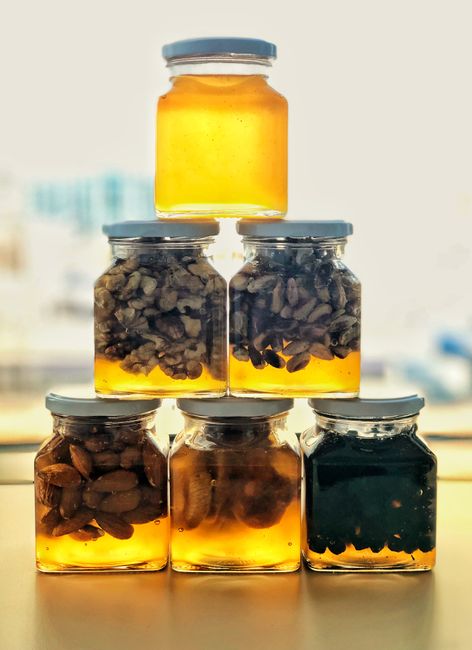
Ensure you have proper storage options at home. Many natural sweeteners, like honey, should be kept in a cool, dark place. Others may require airtight containers to prevent moisture absorption.
6. Experiment with Different Sweeteners
Don’t be afraid to try different natural sweeteners in your recipes. You might discover new flavors that enhance your dishes and provide additional health benefits.
7. Keep Track of Your Purchases
Maintain a record of the brands and types of sweeteners you’ve tried, noting what you liked or disliked about each. This will aid in making future purchases easier and more informed.
Top Brands and Expert Tips for Choosing Natural Sweeteners
To further assist you in your journey toward healthier cooking, here are some top brands available in Pakistan and expert tips for selecting the best natural sweeteners:
1. Recommended Brands
- Bee Natural: Known for its pure, organic honey sourced from local beekeepers.
- Shah Jahan: Offers high-quality jaggery without additives, sourced from traditional producers.
- Nature’s Way: Provides a range of natural sweeteners like dates and agave, focused on health-conscious consumers.
- Date Lady: Specializes in date-based sweeteners, known for their rich flavor and nutritional benefits.
2. Tips for Choosing the Best Natural Sweeteners
- Read Labels Carefully: Always read the labels to ensure you know what you’re buying and avoid any unwanted additives.
- Seek Recommendations: Ask family and friends for their favorite brands or sweeteners and why they prefer them.
- Utilize Online Reviews: Use platforms like ZarooriSaman.com to check for customer reviews and ratings before purchasing.
- Prioritize Local Products: Whenever possible, choose locally sourced sweeteners to support local agriculture and ensure freshness.
By following these guidelines, misconceptions, and practical tips, you can confidently choose natural sweeteners that enhance your cooking while supporting your family’s health. Happy cooking!
Evaluating Packaging and Labels
When shopping for natural sweeteners, pay close attention to packaging and labels. Authentic products often feature clear labeling that includes the source of the sweetener, the absence of additives, and nutritional information. Look for certifications such as organic or fair trade, as these can indicate higher quality and ethical sourcing. Avoid products with vague terms like “natural flavor” or “added sugars,” as these may mask inferior ingredients.
Price vs. Quality Considerations
The price of natural sweeteners can vary widely depending on the type and brand. While it’s tempting to go for the cheapest option, remember that quality often correlates with price. Higher-quality sweeteners, such as pure honey or organic jaggery, may cost more but provide greater health benefits and taste. Consider purchasing in bulk to save money, especially for frequently used sweeteners like honey or dates. Compare prices across different retailers, including local markets and online stores like ZarooriSaman.com, to get the best deal.

Seasonality and Local Availability
Understanding the seasonality of sweeteners can help you make more informed purchasing decisions. For instance, fresh dates are typically available during the harvest season from September to November, while honey is often harvested in late summer. Check local farmers’ markets for seasonal offerings, which can provide the freshest options at competitive prices. Additionally, buying in season can help you save money compared to off-season purchases.
Expert Recommendations and Popular Brands
Some brands have earned a reputation for quality and reliability in the realm of natural sweeteners. For example, ‘Dabur Honey’ is known for its purity, while ‘Organic Jaggery’ from local producers often has a loyal following. Seek out these trusted brands, and consider exploring lesser-known local producers who may offer high-quality products at better prices. Use social media and online forums to discover recommendations from health-conscious communities in Pakistan.
Cooking with Natural Sweeteners
Experimenting with natural sweeteners in your cooking can open up a world of flavors and health benefits. For instance, using jaggery in traditional desserts like ‘gajar ka halwa’ can enhance the dish’s nutritional profile. Similarly, honey can be a healthier sweetener in marinades and dressings. Explore recipes that highlight these sweeteners to maximize their benefits and enjoy a variety of dishes while reducing refined sugar intake.
Conclusion
Choosing the right natural sweeteners involves understanding their benefits, evaluating quality, and being mindful of local availability and pricing. By following the guidelines and expert tips provided, you can make informed decisions that not only enhance your culinary creations but also promote a healthier lifestyle for you and your family. Remember to explore different options, compare brands, and enjoy the diverse flavors that natural sweeteners can bring to your cooking.
FAQ
- What are the healthiest natural sweeteners? Honey, stevia, and jaggery are among the healthiest natural sweeteners due to their lower glycemic index and additional nutrients.
- Can natural sweeteners be used in baking? Yes, many natural sweeteners can be substituted for refined sugars in baking, though adjustments may be needed for moisture and sweetness levels.
- Are all natural sweeteners safe for diabetics? Some natural sweeteners, like stevia, are safe for diabetics, but others may still affect blood sugar levels, so consult a healthcare provider.
- How can I tell if a sweetener is pure? Look for clear labeling, certifications, and avoid products that contain added sugars or artificial ingredients.
- Where can I buy quality natural sweeteners in Pakistan? Quality natural sweeteners can be found at local markets, health food stores, and online platforms like ZarooriSaman.com.
