
Ladies Handbags
Common Mistakes to Avoid When Buying Handbags from Local Artisans

Sep
Understanding the Difference Between Genuine and Fake Handbags
When venturing into the world of handbags, especially those crafted by local artisans in Pakistan, it is crucial to understand the distinction between genuine and fake handbags. This knowledge not only protects your investment but also supports authentic craftsmanship.
Genuine handbags showcase quality materials and thoughtful design, whereas counterfeit versions often use substandard materials and lack attention to detail. Here are some signs that can help you distinguish authenticity:
- Brand Labels: Authentic handbags typically have well-stitched labels that are securely attached, while fake ones may have poorly stitched or missing labels.
- Quality of Materials: Genuine handbags are made from high-quality leather or other premium materials. If the handbag feels flimsy or has a synthetic smell, it might be a counterfeit.
- Stitching: Examine the stitching; authentic handbags will have even, consistent stitching, while fakes may show irregularities or loose threads.
- Hardware: The buckles, zippers, and other hardware on genuine handbags are often made from metal or high-quality materials, while counterfeit versions may use plastic or weak metal.
- Provenance: Know the artisan or brand behind the handbag. Authentic artisans often provide details about their process and materials, something counterfeit products lack.
Being aware of these signs will empower you to make better purchasing decisions and ensure that you are investing in genuine artisan craftsmanship.

Evaluating Craftsmanship and Materials Used by Artisans
One of the key aspects of purchasing handbags from local artisans is understanding the level of craftsmanship and the materials used in their creation. High-quality handbags not only look better but also last longer, making your investment worthwhile.
To assess craftsmanship effectively, consider the following factors:
- Material Quality: Artisan handbags are often made from locally sourced materials, such as leather, canvas, or cotton. Research the materials used and their origins. Authentic artisans are proud of their materials and are often happy to share this information.
- Stitching and Construction: Look for handbags that show meticulous stitching. The seams should be tight and without loose threads. Inspect the bag’s structure: does it hold its shape when empty? A well-constructed handbag will maintain its form.
- Design Details: Unique designs and thoughtful features, such as pockets and closures, reflect the skill of the artisan. Take note of how functional and practical these details are.
- Finishing Touches: Quality handbags will have smooth edges and well-finished interiors. An artisan who takes pride in their work will ensure that all aspects of the handbag, both exterior and interior, are polished and professional.
By carefully evaluating these elements, you can appreciate the artistry behind each handbag and make a more informed decision about your purchase.

Identifying Fair Pricing for Artisan Handbags
Understanding the price of artisan handbags can be tricky, especially if you are new to buying from local artisans in Pakistan. It’s essential to recognize what constitutes fair pricing to avoid overpaying or undervaluing the craftsmanship involved.
Here are some guidelines to help you identify fair pricing:
- Research Market Prices: Start by comparing prices across different artisans and platforms. This will give you a benchmark for what similar handbags are priced at.
- Consider Material Costs: The type of materials used plays a significant role in pricing. High-quality leather or sustainable materials typically warrant higher prices. Understand the value of what you’re paying for.
- Craftsmanship Value: Artisan-made handbags often carry a premium due to the time and skill involved in their creation. Factor in the artisan’s experience and the complexity of the design when evaluating price.
- Local Economic Context: Keep in mind the local economic conditions and how they affect pricing. Artisan products may be priced higher due to import costs or the availability of materials.
By considering these factors, you can feel confident in your purchasing decisions and ensure that you are paying a fair price for the quality and uniqueness of artisan handbags.
Importance of Asking Questions and Communicating with Artisans
When purchasing handbags from local artisans, effective communication is key to ensuring a satisfying shopping experience. Asking the right questions not only helps you understand the product better but also fosters a relationship with the artisan, allowing for a more personalized and trustworthy transaction.
Building Trust Through Dialogue
Establishing a connection with the artisan can enhance your purchasing experience. Many artisans are passionate about their work and are eager to share their creative process, the materials used, and the stories behind their handbags. Engaging in conversation can provide insights that are not apparent from simply viewing the product.
Key Questions to Consider
- What materials are used in the handbag? Knowing the materials can help assess the durability and feel of the handbag.
- How is the handbag made? Understanding the production process can give you a better idea of the craftsmanship involved.
- Can you provide information on care and maintenance? Different materials require different care; this can affect the longevity of your handbag.
- What is your return policy? Knowing the return policy ahead of time can save you from potential disappointment.
- Can you customize the handbag? If you have specific preferences, asking about customization options can lead to a more personalized product.
Encouraging Transparency
Artisans who are open to communication are generally more trustworthy. If they are willing to answer your questions and share details about their work, it reflects their confidence in the quality of their products. This transparency can help you feel more secure in your purchase, knowing that you’re supporting a reputable artisan.
Understanding Artisan Perspectives
Artisans often have unique perspectives on their craft, influenced by cultural heritage and personal experiences. By asking questions, you not only learn about the handbag but also gain a deeper appreciation for the artisan’s background and the cultural significance of their work. This can enrich your connection to the product, making it more than just a handbag—it becomes a piece of art with a story.
Feedback and Suggestions
Providing feedback to artisans can be beneficial for both parties. If you have suggestions or specific needs that the artisan may not have considered, sharing them can lead to improved designs and offerings. Additionally, positive feedback can encourage artisans to continue their craft, contributing to the sustainability of local art and culture.
Common Mistakes to Avoid When Buying Handbags from Local Artisans
While purchasing handbags from local artisans can be rewarding, there are common pitfalls that shoppers should be aware of to ensure a positive experience. Here are some mistakes to avoid:
1. Not Researching the Artisan
Before making a purchase, take the time to learn about the artisan’s background, their working methods, and customer reviews. This will help you gauge their reputation in the market and the quality of their products. Shopping blindly can lead to disappointment, especially if the artisan’s practices do not align with your values.
2. Ignoring Authenticity
As discussed previously, distinguishing genuine artisan handbags from counterfeit products is crucial. Failing to verify the authenticity can result in poor-quality items that do not reflect the artisan’s true craftsmanship. Always ask for proof of authenticity or purchase from recognized artisans whose work is well-documented.
3. Overlooking Care Instructions
Each handbag may come with specific care needs depending on the materials used. Neglecting to inquire about how to properly care for your handbag can lead to damage and reduce its lifespan. Always ask for care instructions to maintain the quality and appearance of your purchase.
4. Rushing the Purchase
Impulse buying is a common mistake. Take your time to evaluate the handbag, ask questions, and compare different options. Rushing into a purchase can lead to buyer’s remorse, especially if you later find a better option or realize the handbag does not meet your expectations.
5. Failing to Consider Practicality
While aesthetics are important, don’t overlook the practicality of the handbag. Consider factors such as size, weight, and functionality. A beautiful handbag that doesn’t meet your daily needs may end up being less valuable in the long run.
6. Neglecting to Check Return Policies
Not inquiring about return policies can lead to complications if the handbag does not meet your expectations. Always ask about the terms and conditions regarding returns or exchanges, especially if you’re unsure about the purchase.
7. Underestimating Seasonal Trends
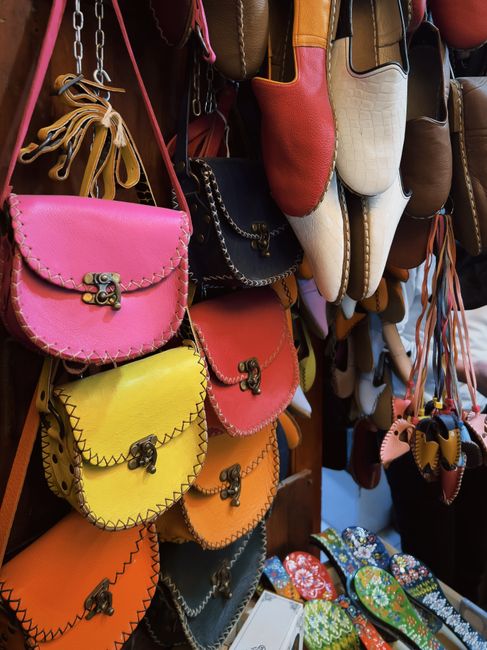
Fashion trends can influence the desirability and value of handbags. If you buy a handbag that’s out of season or not in line with current trends, you may find it difficult to incorporate into your wardrobe. Keep an eye on seasonal trends in handmade handbags to make more informed purchasing decisions.
8. Focusing Solely on Price
While price is an important factor, it shouldn’t be the only consideration. A cheaper handbag may not offer the same quality or craftsmanship as a slightly more expensive option. Instead of only looking for the best deal, focus on the overall value of the handbag, taking into account its uniqueness, durability, and the artisan’s skill.
9. Not Supporting the Artisan Community
Purchasing from a single artisan without considering others may limit your understanding of the local artisan scene. Explore different artisans and their unique styles. This not only gives you a broader selection but also supports the wider artisan community in Pakistan.
10. Disregarding Local Markets
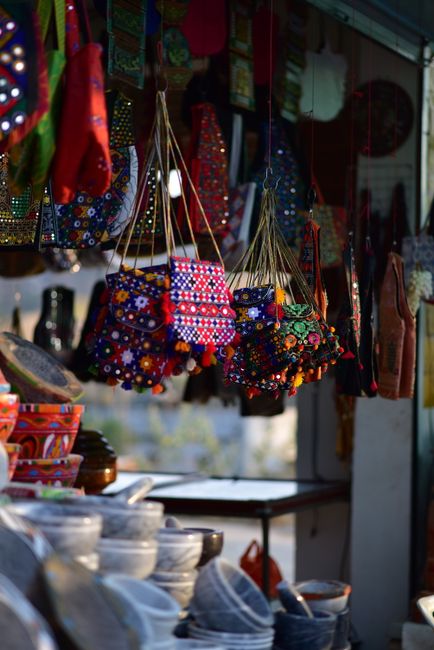
Many local artisans sell their handbags at markets or fairs, providing an opportunity to see and feel the products firsthand. Relying solely on online purchases may cause you to miss out on unique pieces and the chance to meet artisans directly. Whenever possible, visit local markets to experience the craftsmanship up close.
How to Care for Artisan Handbags
Proper care for your artisan handbag is essential to ensure its longevity and maintain its beauty. Different materials require different care techniques, so here are some general tips:
1. Follow Material-Specific Guidelines
Always refer to the care instructions provided by the artisan. Leather, fabric, and synthetic materials will have different maintenance requirements. For instance, leather handbags may need conditioning, while fabric handbags might require gentle washing.
2. Store Properly
When not in use, store your handbag in a dust bag or a cool, dry place to prevent any damage. Avoid hanging bags by their straps, as this can cause stretching. Instead, store them upright or fill them with tissue paper to help maintain their shape.
3. Clean Regularly
Regular cleaning is essential to maintain the handbag’s appearance. For leather, use a damp cloth for spot cleaning. Fabric handbags can often be spot cleaned or gently washed as per the artisan’s recommendations. Avoid harsh detergents, as they can damage the materials.
4. Protect from Water and Stains
Water can be detrimental to some materials. If your handbag is not water-resistant, consider applying a protective spray to help repel water and stains. In case of spills, act quickly to blot the area rather than rubbing, which can spread the stain.

5. Avoid Overloading
While it might be tempting to carry everything in your handbag, overloading can lead to stretch marks or damage. Be mindful of the weight and contents of your bag to maintain its shape and integrity.
6. Regular Inspections
Periodically check your handbag for any signs of wear and tear. Addressing small issues early can prevent them from becoming larger problems. If you notice any loose stitching or minor damage, consider repairing it promptly to extend the life of your handbag.
7. Rotate Handbags
Instead of using the same handbag every day, consider rotating between different bags. This allows each handbag time to rest and reduces wear. Plus, it gives you the opportunity to showcase different styles and designs from local artisans.
Understanding the Value of Supporting Local Artisans
Purchasing handbags from local artisans goes beyond fashion; it’s about supporting the community and preserving cultural heritage. By choosing artisan-made products, you contribute to the sustainability of local craftsmanship and help keep traditional skills alive.
1. Economic Impact
Supporting local artisans creates jobs and stimulates the economy. It allows artisans to continue their craft and invest in their communities. Your purchase can have a ripple effect, generating income that supports families and local economies.
2. Promoting Sustainability
Artisan products are often more sustainable than mass-produced items. Local artisans typically use locally sourced materials, reducing the carbon footprint associated with transportation. By choosing handmade products, you support eco-friendly practices and promote sustainable consumption.
3. Preserving Cultural Heritage
Many artisans incorporate traditional techniques and designs into their work. By purchasing their handbags, you help preserve these techniques and ensure that future generations can appreciate and learn from them. Your investment in artisan products contributes to the cultural richness of Pakistan.
4. Unique Products
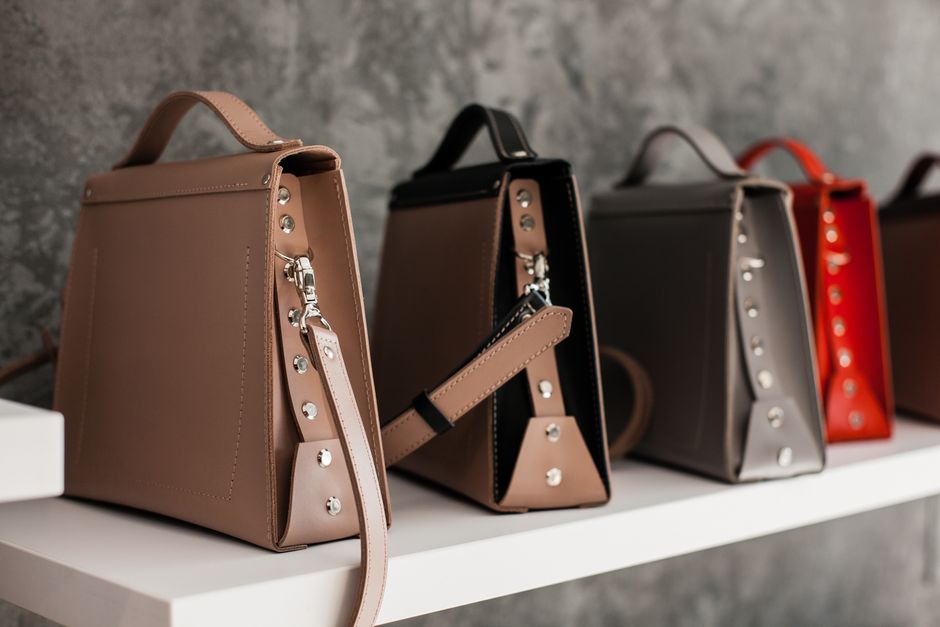
Artisan handbags are often one-of-a-kind or produced in limited quantities, providing a uniqueness that mass-produced items cannot offer. Owning a handbag made by a local artisan means you have a piece of art that reflects individuality and creativity.
5. Fostering Community Connections
Engaging with local artisans fosters a sense of community. Supporting their work creates relationships that can lead to collaborations and innovations within the local fashion industry. As you purchase artisan products, you become part of a larger movement that values creativity and craftsmanship.
Conclusion
Buying handbags from local artisans in Pakistan can be a rewarding experience that supports creativity and craftsmanship. By understanding the differences between genuine and fake products, evaluating craftsmanship, and knowing how to communicate with artisans, you can make informed decisions that lead to a satisfying purchase. Remember to take your time, do your research, and enjoy the process of finding a unique piece that resonates with your personal style.
FAQ
- How can I tell if a handbag is handmade by an artisan? Look for signs of craftsmanship such as uneven stitching, unique patterns, and individual design elements that are characteristic of handmade products.
- What materials should I look for in artisan handbags? Quality materials such as genuine leather, cotton canvas, or sustainably sourced fabrics are common in artisan handbags. Ask about their sourcing to ensure authenticity.
- Are artisan handbags worth the investment? Yes, artisan handbags often provide unique designs and high-quality craftsmanship, making them a worthwhile investment compared to mass-produced options.
- Can I negotiate the price when buying from artisans? While some artisans may be open to negotiation, it’s essential to respect their pricing, which often reflects the time and skill involved in creating the handbag.
- What is the best way to care for my artisan handbag? Follow the care instructions provided by the artisan, which may include cleaning methods and storage recommendations to ensure longevity.
