
Ladies Dresses
Expert Tips on How to Style Ladies Dresses for Different Body Types
Sep
Understanding Common Body Types
When it comes to fashion, understanding your body type is crucial for selecting dresses that not only fit well but also enhance your natural shape. In Pakistan, women can typically identify with five common body types: hourglass, pear, apple, rectangle, and inverted triangle. Each body type has distinct characteristics and styling needs, making it important to recognize which category you fall into.
Hourglass: The hourglass shape is characterized by a well-defined waist with bust and hip measurements that are nearly equal. Women with this body type should look for dresses that emphasize their waist, such as fitted styles, wrap dresses, or peplum dresses. These styles create a balanced silhouette and highlight curves.
Pear: A pear body type features wider hips and a smaller bust. To complement this shape, dresses that draw attention to the upper body while balancing the lower half are ideal. A-line dresses, off-shoulder styles, and dresses with embellishments around the neckline can help achieve this effect.
Apple: Apple-shaped women tend to have a fuller upper body with a less defined waist and slimmer hips. The goal here is to create a more proportionate look. Empire waist dresses, shift dresses, and those with V-necks can elongate the torso and draw attention away from the midsection.
Rectangle: The rectangle body type has a straight silhouette with little definition between the bust, waist, and hips. To create curves, opt for dresses that add volume and shape, such as fit-and-flare dresses, tiered styles, or those with ruffles. These will help create the illusion of a more curvaceous figure.
Inverted Triangle: An inverted triangle body type features broader shoulders and a narrower waist and hips. Dresses that balance the upper body with the lower body are most flattering. Look for A-line dresses, which flare out from the waist, and styles that emphasize the hips, like peplum dresses, to create a more balanced appearance.

Recommended Dress Styles for Each Body Type
Choosing the right dress style for your body type can drastically enhance your appearance and confidence. Here are the best recommendations for each body type:
Hourglass Dress Styles
- Fitted Dresses: These highlight curves and accentuate the waist.
- Wrap Dresses: Perfect for creating a defined waist and showcasing your silhouette.
- Peplum Styles: Adds volume at the hips, enhancing the hourglass shape.
Pear Body Type Dresses
- A-line Dresses: Flare out from the waist, balancing the hips.
- Off-Shoulder Styles: Draw attention to the shoulders and neckline.
- Dresses with Embellishments: Focus on the upper body, distracting from wider hips.
Apple Shape Styling
- Empire Waist Dresses: Highlight the bust while providing a flowing silhouette.
- Shift Dresses: Loose-fitting, allowing for ease and comfort.
- V-neck Dresses: Create the illusion of a longer torso.
Rectangle Dress Recommendations
- Fit-and-Flare Dresses: Create curves by cinching at the waist.
- Tiered Dresses: Add volume and structure to the overall look.
- Ruffled Styles: Introduce shapes and movement to the silhouette.
Inverted Triangle Dress Choices
- A-line Dresses: Balance the broad shoulders with a flared skirt.
- Peplum Dresses: Add volume around the hips, creating a more proportional look.
- Wrap Dresses: Emphasize the waist while softening broader shoulders.
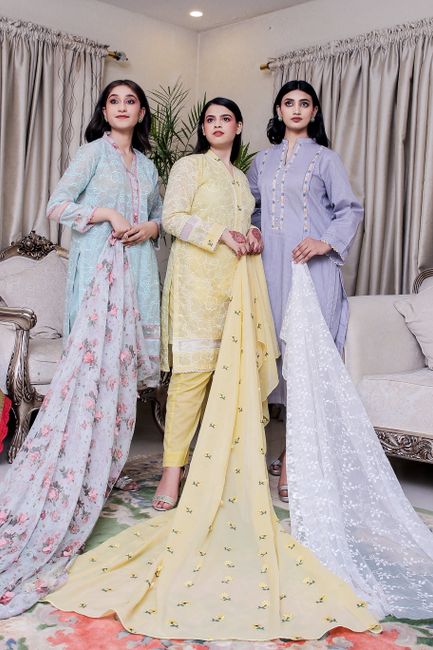
Understanding these styles can make a significant difference when shopping for dresses online. It helps you narrow down your options, ensuring you choose pieces that will not only fit but also flatter your unique body shape.

Comparative Overview of Dress Styles
| Body Type | Recommended Dress Styles |
|---|---|
| Hourglass | Fitted, Wrap, Peplum |
| Pear | A-line, Off-shoulder, Embellished |
| Apple | Empire Waist, Shift, V-neck |
| Rectangle | Fit-and-Flare, Tiered, Ruffled |
| Inverted Triangle | A-line, Peplum, Wrap |
Accessorizing Dresses Based on Body Shape
Accessorizing is a crucial part of styling any outfit, and it becomes even more vital when dressing for your specific body shape. The right accessories can enhance your overall look, add personality, and even create an illusion of balance. Here are some tips on how to accessorize dresses based on different body shapes:
Hourglass Shape
For those with an hourglass figure, the goal is to accentuate your natural curves. Here are some accessory tips:
- Belted Accessories: Wide belts can be a great way to highlight your waist. Opt for contrasting colors to make your waist stand out even more.
- Statement Jewelry: Choose bold necklaces that draw attention to your neckline. Chokers and layered necklaces work well.
- Structured Bags: A structured handbag can complement your silhouette, providing balance to your outfit.
Pear Shape
Accessorizing for a pear-shaped body focuses on drawing attention upwards while balancing out the lower body:
- Bold Earrings: Choose statement earrings to attract attention to your face and shoulders.
- Embellished Necklines: Opt for dresses with detailed necklines or add a statement necklace to enhance the upper body.
- Lightweight Scarves: A stylish scarf can add layers and interest to your outfit without overwhelming your frame.
Apple Shape
For apple shapes, the aim is to create a longer, leaner look. Use accessories to elongate your figure:
- Long Necklaces: Choose long, pendant necklaces that draw the eye downwards, creating an elongating effect.
- Vertical Lines: Accessories with vertical patterns, such as scarves or belts worn lower on the waist, can help elongate your torso.
- Minimalist Accessories: Avoid bulky pieces and stick to delicate items that won’t add extra volume to your look.
Rectangle Shape
For those with a rectangular body shape, the focus is on creating curves and defining the waist:
- Wide Belts: A wide belt can create the illusion of curves by defining your waist, making it appear smaller.
- Layered Necklaces: Stack necklaces of varying lengths to add dimension and interest to your neckline.
- Chunky Bracelets: Add some bulk to your arms with chunky bracelets, which can help create a more balanced look.
Inverted Triangle Shape
For inverted triangle shapes, the key is to balance the shoulders with the lower body:
- Drop Earrings: Long drop earrings can help elongate your neck and draw attention away from broad shoulders.
- Embellished Skirts: Use skirts with embellishments or patterns to draw the eye down and balance your silhouette.
- Horizontal Stripes: Accessories like belts or sashes can be worn across the hips to create a curvier illusion.
Common Mistakes to Avoid When Choosing Dresses
When shopping for dresses, especially online, it’s easy to make mistakes that can lead to dissatisfaction with your purchase. Here are some common pitfalls to avoid:
Ignoring Body Shape
One of the biggest mistakes women make is ignoring their body shape when choosing a dress. Always consider how a dress will fit your unique figure. What looks great on a model may not translate the same way on your body type.
Overlooking Fabric and Fit
The fabric of a dress can greatly affect its overall look and comfort. Avoid choosing styles that are too tight or made from stiff fabrics that don’t flow well with your body shape.
Neglecting Size Charts
Sizes can vary significantly between brands, especially when shopping online. Always check the size chart provided by the retailer, as this will help you make a better-informed decision and reduce the likelihood of returns.

Falling for Trends Over Comfort
Trendy pieces can be tempting, but if they don’t fit well or are uncomfortable, they will likely end up collecting dust in your closet. Prioritize comfort and fit over fleeting fashion trends.
Purchasing Without Trying On
Whenever possible, try to find a way to try on dresses before making a purchase, especially if you’re unsure about sizing. If shopping online, familiarize yourself with the return policy to ensure you can return items that don’t work out.
Current Fashion Trends in Pakistan
Staying updated with the latest fashion trends is essential for making informed purchasing decisions. Here are some current trends in Pakistan that you may want to incorporate into your wardrobe:
Bright and Bold Colors
This season, vibrant hues such as fuchsia, emerald green, and mustard yellow are making waves. These colors not only brighten up your wardrobe but also complement various skin tones.
Asymmetrical Designs
Asymmetrical hemlines and necklines are trending, offering a modern twist on traditional dresses. These styles can add visual interest and uniqueness to your outfit.
Layering
Layering is a stylish way to adapt to fluctuating temperatures. Lightweight shawls, cardigans, or long kimonos can be paired with dresses to add depth and dimension to your look.
Floral Prints
Floral patterns are a timeless trend that remains popular in Pakistan, suitable for casual wear as well as formal occasions. Look for dresses with bold floral prints to make a statement.
Eco-friendly Fashion
With the rise of sustainability awareness, many brands are focusing on eco-friendly materials and practices. Opting for dresses made from organic or recycled fabrics can be both stylish and responsible.
How to Shop Online Effectively for Ladies Dresses
Shopping for ladies’ dresses online can be a rewarding experience if done with care. Here are some tips to enhance your online shopping experience:
Research the Brand
Before purchasing, take the time to research the brand. Read reviews and check ratings to understand the quality of their products and customer service. Brands like Al-Fatah, Naheed, and Daraz often have customer feedback available to help guide your decision.
Utilize Filters
Most online shopping platforms offer filters that allow you to sort by size, color, style, and price. Use these filters to narrow down your options and find exactly what you’re looking for quickly.
Check Return Policies
Always check the return policy before making a purchase. A good return policy allows you to return or exchange items that don’t meet your expectations, which is especially important when buying clothes online.
Compare Prices
Don’t settle for the first price you see. Use price comparison tools or websites to find the best deals on your desired dresses. Keep an eye out for sales or discount codes that can save you money.
Look for Detailed Descriptions
Pay attention to the product descriptions, including fabric type, care instructions, and sizing information. The more details you have, the better equipped you will be to make an informed decision.
Care Tips for Maintaining Dress Quality
To ensure your dresses remain in excellent condition, proper care is essential. Here are some care tips to help maintain the quality of your dresses:
Follow Care Labels
Always check and follow the care labels on your dresses. Different fabrics have varying care requirements, such as hand-washing, dry cleaning, or machine washing. Adhering to these guidelines will prolong the life of your garments.
Store Properly
When not in use, store dresses in a cool, dry place. Use padded hangers for delicate fabrics to maintain their shape, and avoid overcrowding in your closet to prevent wrinkles.
Spot Clean Stains Immediately
If you spill something on your dress, treat the stain promptly. Blot the area with a clean cloth and apply a suitable stain remover before washing, if necessary. The sooner you act, the easier it is to remove the stain.
Iron with Care
When ironing, be mindful of the fabric type. Use the appropriate temperature settings and consider using a pressing cloth for delicate materials. This will help to avoid burns or shiny spots on your dresses.
Rotate Your Wardrobe
Prevent wear and tear by rotating your dresses. This will allow each piece to rest and recover from use, ensuring they last longer.
Storing Your Dresses Properly
Storage plays a crucial role in maintaining the quality of your dresses. Here are some tips for proper storage:
- Use Breathable Garment Bags: Opt for cotton or linen garment bags instead of plastic ones. Plastic can trap moisture and lead to mildew or discoloration.
- Hang or Fold Carefully: For dresses made of delicate fabrics, hanging is preferable. Use padded hangers to maintain the dress shape. For heavier fabrics, consider folding them neatly to prevent stretching.
- Avoid Direct Sunlight: Store your dresses in a cool, dark place to prevent fading. Direct sunlight can damage colors and weaken fibers over time.
- Include Moth Repellents: Natural moth repellents, such as cedar balls or lavender sachets, can help keep insects away from your dresses.
Washing and Drying Techniques
Different fabrics require different washing techniques. Here’s a quick guide:
- Read Care Labels: Always check the care labels for washing instructions specific to each dress. Some may require dry cleaning, while others can be machine washed.
- Use Cold Water: Washing in cold water helps preserve colors and prevent shrinkage. It’s particularly important for bright or dark-colored dresses.
- Gentle Cycle: If machine washing is allowed, select the gentle cycle to minimize wear and tear.
- Air Dry: Whenever possible, air dry your dresses by laying them flat or hanging them up. This method is gentler than tumble drying and helps maintain their shape and fabric integrity.
Dealing with Common Dress Fabrics
Understanding the care requirements for common dress fabrics can help you make informed decisions when buying:
| Fabric | Care Tips |
|---|---|
| Cotton | Machine washable; can be tumble dried; iron on high. |
| Silk | Dry clean recommended; avoid direct sunlight; iron on low with a pressing cloth. |
| Chiffon | Hand wash in cold water; hang to dry; avoid wringing. |
| Polyester | Machine washable; can be tumble dried; resistant to wrinkles. |
Regular Maintenance Checks
Regularly inspecting your dresses can prevent minor issues from becoming major problems. Here’s what to look for:
- Check for Stains: Address stains as soon as possible to prevent them from setting. Use a suitable stain remover based on the fabric type.
- Inspect for Damage: Look for loose threads, small tears, or missing buttons. Repairing these quickly can prolong the life of your dress.
- Freshen Up: Use a fabric freshener or lightly steam your dresses to keep them smelling fresh and looking crisp between washes.
When to Seek Professional Help
Sometimes, a dress requires expert care. Here are instances when you should consider taking your dress to a professional:
- Delicate Fabrics: For silk or lace dresses, professional dry cleaning is often the best choice to avoid damage.
- Complex Repairs: If your dress has intricate details or requires significant repairs (like zipper replacement), it’s wise to consult a tailor.
- Special Stains: For difficult stains that you cannot remove at home, a professional cleaner will have the right tools and products to handle them effectively.
By following these care tips, you can ensure your dresses remain in excellent condition, allowing you to enjoy them for many seasons to come. Whether you’re shopping online or in-store, paying attention to maintenance will help you make the most of your investment in ladies’ fashion while looking stylish and feeling confident.
Regular Cleaning Routine
Establishing a regular cleaning routine is essential for maintaining the quality of your dresses. Depending on the fabric, you might want to wash your dresses after every wear or after a few uses. For delicate materials such as silk or chiffon, consider hand washing or using a gentle cycle in the washing machine. Always read the care label for specific instructions, as some fabrics require special treatment.
Storage Tips
How you store your dresses can significantly affect their longevity. Here are a few tips:
- Use Proper Hangers: Invest in padded or wooden hangers to maintain the shape of your dresses. Avoid using wire hangers, as they can cause stretching and misshaping.
- Fold Heavier Fabrics: For heavier dresses, consider folding them instead of hanging to avoid stretching. Use acid-free tissue paper to help maintain their shape.
- Keep Away from Direct Sunlight: Store your dresses in a cool, dark place to prevent fading and deterioration from UV exposure.
Seasonal Maintenance
As the seasons change, so should your dress maintenance routine. For winter, ensure your dresses are clean and properly stored to avoid any fabric damage from humidity. In contrast, during summer, consider refreshing your dresses with fabric sprays to keep them smelling fresh, especially if they have been worn frequently.
Repairing Minor Damages
Small damages, like loose threads or minor tears, can happen over time. Addressing these issues promptly can prevent further damage. Here are some simple repairs you can handle at home:
- Sew Loose Buttons: Keep a sewing kit handy to quickly fix any loose buttons before they fall off completely.
- Stitch Minor Tears: Use a needle and thread that matches the fabric to sew up small tears. If you’re unsure, a tailor can help with more significant repairs.
- Replace Broken Zippers: A broken zipper doesn’t mean your dress is ruined. You can either replace it yourself or take it to a professional for repair.
Conclusion
Choosing and caring for ladies’ dresses in Pakistan can be a delightful experience when you know how to maintain their quality. By following the care tips outlined above, you can ensure your dresses not only look great but also last through various seasons and occasions. Whether you prefer shopping online or in-store, remember to focus on quality and maintenance to make the most of your investment in fashion. A well-cared-for dress can elevate your style and boost your confidence, making it a valuable addition to your wardrobe.
FAQ
What are the best fabrics for summer dresses in Pakistan?
Lightweight fabrics such as cotton, linen, and chiffon are ideal for summer dresses in Pakistan, as they allow for breathability and comfort in the heat.
How can I tell if a dress fits me well?
A well-fitting dress should comfortably hug your body without being too tight. Check for proper shoulder alignment, waist fit, and overall length to ensure a flattering silhouette.
Are there specific dress styles that are more affordable in Pakistan?
Yes, traditional styles like kurtis and maxi dresses are often more affordable and widely available in local markets compared to western styles. Brands like Khaadi and Alkaram offer budget-friendly options.
What should I look for when shopping online for dresses?
When shopping online, check the size chart, read customer reviews, and ensure there’s a return policy in case the dress doesn’t meet your expectations.
How often should I clean my dresses?
The cleaning frequency depends on the fabric type and wear. Generally, lighter fabrics can be washed after every wear, while heavier fabrics can be worn a few times before cleaning.
