
Health
How to Effectively Incorporate Dry Fruits into Your Daily Diet for Optimal Health
Sep
Understanding the Health Benefits of Dry Fruits
Dry fruits, often referred to as dried fruits, are a concentrated source of nutrients that can significantly enhance your overall health. Their rich nutritional profile includes essential vitamins, minerals, and antioxidants, making them an excellent addition to any diet. Some popular dry fruits include raisins, apricots, figs, and dates, each boasting unique health benefits.
One of the primary advantages of incorporating dry fruits into your diet is their high antioxidant content. Antioxidants help combat oxidative stress in the body, reducing the risk of chronic diseases such as heart disease, diabetes, and cancer. For instance, dried apricots are rich in beta-carotene, a powerful antioxidant that can promote healthy vision and skin.
Additionally, dry fruits are packed with essential vitamins and minerals. They are a great source of potassium, which helps regulate blood pressure, and magnesium, crucial for muscle and nerve function. For example, a handful of dried figs can provide a significant amount of calcium, which is vital for maintaining strong bones and teeth.
Furthermore, dry fruits are high in dietary fiber, which aids digestion and can help control blood sugar levels. The fiber content is particularly beneficial for individuals looking to manage their weight or reduce cholesterol levels. Incorporating fiber-rich dry fruits like prunes or dates into your snacks can help promote a feeling of fullness, reducing the likelihood of overeating.
In summary, the health benefits of dry fruits are numerous and varied. By adding these nutrient-dense foods to your diet, you can improve your nutritional intake and support your overall health.
Creative Ways to Incorporate Dry Fruits into Meals and Snacks
Integrating dry fruits into your daily meals doesn’t have to be a chore. With a bit of creativity, you can enjoy these nutritious snacks in various ways throughout the day. Here are some practical ideas for adding dry fruits to your meals and snacks:
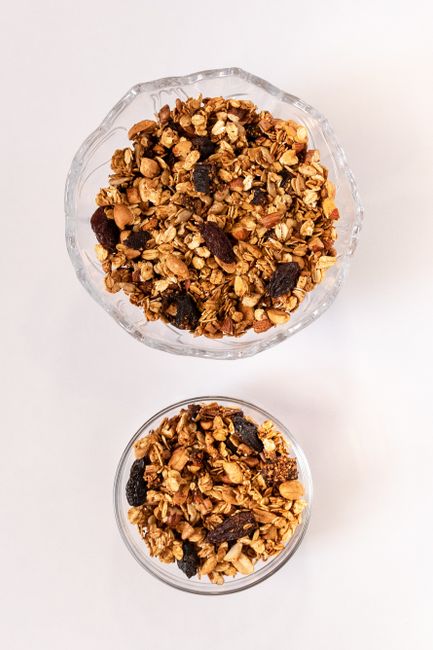
- Snacking: Dry fruits make for convenient snacks that can satisfy your sweet cravings. Keep a mix of nuts and dry fruits in your bag for a quick on-the-go snack. For instance, a combination of almonds, dried cranberries, and walnuts not only provides energy but also adds a delightful crunch to your day.
- Breakfast Boost: Enhance your morning routine by adding dry fruits to your breakfast. Sprinkle dried fruits like raisins or chopped apricots over your oatmeal or yogurt. This not only adds flavor but also increases the nutritional value of your breakfast.
- Salads: For a refreshing twist, incorporate dry fruits into your salads. For example, adding sliced figs or dried cherries to a spinach salad can elevate the taste and introduce new textures. Pair them with nuts for a satisfying crunch and a boost of protein.
- Baking: Dry fruits can also be an excellent addition to baked goods. Consider adding chopped dates or dried apricots to your cookie or muffin batter. Not only do they add natural sweetness, but they also enhance the moisture and flavor of your treats.
- Cooking: Use dry fruits in savory dishes as well. Dried fruits like apricots and raisins can complement meat dishes, especially in traditional Pakistani recipes like biryani or pilaf. Their sweetness balances out the spices, creating a delicious contrast.
- Trail Mix: Create your custom trail mix by combining your favorite dry fruits with nuts and seeds. This is perfect for a nutritious snack while hiking or exercising, offering a great source of energy.
By incorporating dry fruits into your meals and snacks creatively, you not only enhance their flavor but also boost your nutritional intake effortlessly.
How to Choose Quality Dry Fruits When Shopping Online
Shopping for dry fruits online can be convenient, but it also comes with its own set of challenges. To ensure that you are purchasing high-quality products, consider the following tips:
1. Check the Packaging
When browsing online, pay attention to the packaging of the dry fruits. Quality brands often package their products in airtight containers or resealable bags to maintain freshness. Look for labels that indicate:
- Expiry date: Ensure that the dry fruits have a long shelf life.
- Storage instructions: Proper storage is crucial for maintaining quality.
- Certification: Organic or quality assurance certifications can indicate better quality.
2. Read Customer Reviews
Customer reviews can give you insight into the quality of the dry fruits you’re considering. Look for feedback that discusses:
- Taste and freshness: Are customers satisfied with the flavor and texture?
- Packaging quality: Did the product arrive intact and well-packaged?
- Value for money: Do buyers feel they received good quality for the price?
3. Compare Prices and Brands
Not all brands are created equal, and prices can vary significantly. When shopping online, it helps to:
- Compare similar products across different brands to gauge average pricing.
- Look for sales or discounts, particularly during the festive season, as this is when many sellers offer promotions.
- Evaluate whether higher-priced options are worth the investment based on their quality ratings.
4. Look for Bulk Buying Options
If you find a brand that you trust, consider purchasing in bulk. Bulk buying can often save you money and ensure that you have a steady supply of your favorite dry fruits. However, make sure to:
- Check the freshness and expiry dates to avoid spoilage.
- Choose a reliable online store that offers good return policies in case the product doesn’t meet your expectations.
5. Inspect Nutritional Information
Quality dry fruits should provide detailed nutritional information on their packaging. Look for:
- Natural ingredients: The best options will have no added sugars, preservatives, or artificial flavors.
- Nutritional benefits: Ensure that the dry fruits contain beneficial nutrients like fiber, vitamins, and minerals.
6. Consider Seasonal Availability
In Pakistan, certain dry fruits are more readily available during specific seasons. Purchasing in-season fruits often means better quality and pricing. For example:
- Pistachios are typically harvested in late summer, making them fresher during that time.
- Dates are most abundant during the Ramadan season, often available at lower prices.
7. Pay Attention to Origin
The origin of dry fruits can significantly impact their quality. Some regions are known for specific types of dry fruits, such as:
- Iran: Famous for its high-quality pistachios and saffron.
- Afghanistan: Renowned for its raisins and dried apricots.
Knowing the origin can help you make informed choices about the quality and flavor you can expect.
8. Avoid Artificial Additives
Some brands may add preservatives or artificial colorings to enhance the appearance or shelf life of dry fruits. Always opt for products that are free from:
- Sulfites: Commonly used to maintain color, can be harmful for some individuals.
- Artificial sweeteners: These can detract from the natural flavor and health benefits.
9. Use Trusted Online Retailers
Choose reputable online platforms with a good track record for selling quality food products. Some trustworthy options in Pakistan include:
- Daraz: Known for its wide selection and customer reviews.
- Metro: Offers a variety of dry fruits with bulk buying options.
- Imtiaz: Often has seasonal sales and promotions.
- Al-Fatah and Naheed: Known for their quality groceries and dried fruits.
10. Be Wary of Deals That Seem Too Good to Be True
While discounts are great, extremely low prices may indicate inferior quality or expired products. Always trust your instincts and do additional research if something seems off.
Easy Recipes Featuring Dry Fruits
Incorporating dry fruits into meals can be simple and delicious. Here are some easy recipes that highlight the versatility of dry fruits while providing nutrition and flavor:
1. Dry Fruit Energy Balls
These no-bake energy balls are perfect for a quick snack or post-workout boost.
- Ingredients: 1 cup dates, 1/2 cup almonds, 1/4 cup walnuts, 1/4 cup dried apricots, 1 tablespoon cocoa powder, a pinch of salt.
- Instructions:
- Pulse all ingredients in a food processor until they form a sticky mixture.
- Roll the mixture into small balls and refrigerate for about an hour.
- Enjoy as a healthy snack anytime!
2. Dried Fruit and Nut Breakfast Bowl
This breakfast bowl is both nutritious and filling, perfect for starting your day right.
- Ingredients: 1/2 cup oatmeal, 1 cup almond milk, 1/4 cup mixed dried fruits (raisins, cranberries, apricots), 1 tablespoon honey, 1 tablespoon chia seeds.
- Instructions:
- Cook oatmeal according to package instructions using almond milk.
- Top with mixed dried fruits, honey, and chia seeds before serving.
3. Savory Rice Pilaf with Dried Fruits
This dish combines the rich flavors of spices with the sweetness of dried fruits, fitting perfectly into traditional Pakistani meals.
- Ingredients: 1 cup basmati rice, 1/4 cup raisins, 1/4 cup dried apricots (chopped), 1 onion (sliced), 2 cups vegetable broth, spices (cumin, cardamom, cinnamon).
- Instructions:
- In a pot, sauté onions until golden brown, then add the spices and cook until fragrant.
- Add the rice, broth, and dried fruits. Bring to a boil, then reduce heat and simmer until rice is cooked.
- Fluff with a fork and serve warm.
4. Dried Fruit Chutney
This chutney makes a great side dish for meats and can be a unique addition to any meal.
- Ingredients: 1 cup mixed dried fruits (dates, figs, apricots), 1/2 cup water, 1 tablespoon vinegar, 1 teaspoon ginger (grated), spices (cinnamon, cloves, chili powder).
- Instructions:
- In a saucepan, combine all ingredients and simmer until the dried fruits are soft and the mixture thickens.
- Cool and store in the refrigerator. Serve alongside grilled meats or as a spread on bread.
5. Trail Mix with a Twist
Create your own custom trail mix for a healthy snack option that can be tailored to your preferences.
- Ingredients: 1/2 cup almonds, 1/2 cup walnuts, 1/2 cup dried cranberries, 1/4 cup dark chocolate chips, 1/4 cup coconut flakes.
- Instructions:
- Mix all ingredients in a bowl and store in an airtight container.
- Perfect for on-the-go snacking!
6. Yogurt Parfait with Dried Fruits
This simple yet elegant dessert is perfect for entertaining or a healthy breakfast.
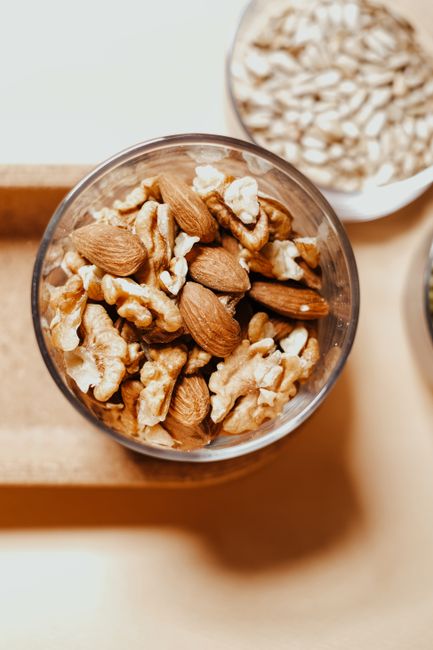
- Ingredients: 1 cup plain yogurt, 1/2 cup granola, 1/4 cup mixed dried fruits (raisins, figs, apricots), honey for drizzling.
- Instructions:
- Layer yogurt, granola, and dried fruits in a glass.
- Drizzle with honey and serve immediately.
7. Stuffed Chicken Breast with Dried Fruits
This savory dish elevates a simple chicken breast with the delightful flavors of dried fruits.
- Ingredients: 2 chicken breasts, 1/4 cup chopped dried apricots, 1/4 cup spinach, 1/4 cup feta cheese, olive oil, spices (salt, pepper).
- Instructions:
- Preheat the oven to 375°F (190°C).
- Cut a pocket in each chicken breast and stuff with the mixture of dried fruits, spinach, and feta.
- Drizzle with olive oil, season, and bake for 25-30 minutes until cooked through.
8. Dried Fruit Smoothie
This refreshing smoothie is packed with nutrients and is perfect for a quick breakfast.
- Ingredients: 1 banana, 1/4 cup dried figs, 1 cup spinach, 1 cup almond milk, 1 tablespoon honey.
- Instructions:
- Blend all ingredients until smooth.
- Serve chilled for a refreshing start to your day.
9. Dried Fruit and Nut Salad
Combine fresh greens with dried fruits and nuts for a nutritious salad.
- Ingredients: 2 cups mixed greens, 1/4 cup walnuts, 1/4 cup dried cranberries, 1/4 cup feta cheese, balsamic vinaigrette.
- Instructions:
- In a large bowl, toss all ingredients together.
- Drizzle with balsamic vinaigrette and enjoy!
10. Baked Oatmeal with Dried Fruits
This healthy breakfast option is perfect for meal prep and can be enjoyed throughout the week.
- Ingredients: 2 cups oats, 1/2 cup milk, 1/2 cup mixed dried fruits, 1/4 cup honey, 1 egg, spices (cinnamon, nutmeg).
- Instructions:
- Preheat the oven to 350°F (175°C).
- Mix all ingredients in a bowl and pour into a greased baking dish.
- Bake for 25-30 minutes until set and golden brown.
Common Misconceptions About Dry Fruits
Despite their numerous health benefits, dry fruits are often surrounded by misconceptions that can deter people from including them in their diets. Here, we debunk some common myths about dry fruits.
Myth 1: Dry Fruits Are Always Unhealthy Due to High Sugar Content
One of the most prevalent misconceptions is that dry fruits are unhealthy because they contain concentrated sugars. While it is true that the drying process removes water content, thus concentrating the sugars, dry fruits also provide essential nutrients, fiber, and antioxidants. When consumed in moderation, they can be a healthy addition to your diet.
Myth 2: All Dry Fruits Are Created Equal
Not all dry fruits have the same nutritional profile. For instance, dates and figs are higher in calories compared to apricots or prunes. It’s crucial to understand the specific benefits each type of dry fruit offers. For instance, almonds are rich in vitamin E, while walnuts are a great source of omega-3 fatty acids. Always check the nutritional labels when shopping online to make informed choices.
Myth 3: Dry Fruits Can Replace Fresh Fruits
While dry fruits are a valuable source of nutrition, they should not completely replace fresh fruits in your diet. Fresh fruits provide hydration and essential vitamins that may diminish during the drying process. A balanced diet should include a variety of both fresh and dry fruits to maximize health benefits.

Myth 4: Dry Fruits Are Too Expensive
While some premium dry fruits may be costly, there are many affordable options available. Buying in bulk from local markets or online platforms like Daraz or Metro can lead to significant savings. Additionally, look for sales or discounts during seasonal peaks to get the best value.
Myth 5: Dry Fruits Are Only for Snacking
Many people think dry fruits are just for snacking, but they can be versatile ingredients in various meals. From salads to smoothies and baked goods, dry fruits can enhance flavor and nutrition in numerous dishes, making them a practical addition to your culinary repertoire.
Tips for Storing and Preserving Dry Fruits
Proper storage is essential to maintain the freshness and flavor of dry fruits. Follow these tips to ensure they stay in optimal condition:
1. Choose the Right Containers
- Use airtight containers to prevent moisture from entering.
- Glass jars, plastic containers, or vacuum-sealed bags work well.
2. Keep Away from Sunlight
Store dry fruits in a cool, dark place to extend their shelf life. Avoid direct sunlight, which can degrade their quality and flavor.
3. Check for Moisture
Before storing, ensure that the dry fruits are completely dry. If you notice any moisture, it can lead to mold growth and spoilage. If you’re unsure, consider storing them in the refrigerator, especially in humid climates like Pakistan.

4. Use Within a Reasonable Time Frame
While dry fruits can last a long time, they are best consumed within 6 months to a year for optimal taste and nutritional value. Always check for any signs of spoilage before consumption.
5. Label Your Containers
When storing multiple types of dry fruits, label your containers with the date of purchase. This helps you keep track of freshness and ensures that you consume them in a timely manner.
The Value of Dry Fruits in a Healthy Diet
Incorporating dry fruits into your diet can have a substantial impact on your overall health. They provide a concentrated source of energy and nutrients, making them an excellent choice for busy families and health-conscious individuals alike.
1. Nutrient Density
Dry fruits are loaded with vitamins, minerals, and antioxidants. For instance, raisins are rich in iron, which is crucial for maintaining healthy red blood cells, while apricots provide beta-carotene, essential for eye health.
2. Fiber Content
The high fiber content in dry fruits helps in digestion, aids weight management, and promotes a feeling of fullness, making them a smart snack choice for those looking to maintain or lose weight.
3. Natural Energy Boost
For those leading an active lifestyle, dry fruits serve as a quick and convenient energy booster. A handful of mixed nuts and dried fruits can provide the necessary fuel for workouts or long days at work.
4. Heart Health
Many dry fruits, such as walnuts and almonds, are known to support heart health due to their healthy fats. Regular consumption can help lower bad cholesterol levels and reduce the risk of heart disease.
In conclusion, understanding these misconceptions and following proper storage tips can help you make the most of the health benefits that dry fruits offer, enhancing your overall diet and well-being.
