
Ladies Dresses
How to Choose the Best Fabric for Ladies Dresses in Pakistan
Sep
Overview of Common Fabric Types Used in Ladies’ Dresses in Pakistan
When it comes to selecting the right fabric for ladies’ dresses in Pakistan, understanding the common fabric types is paramount. Each fabric has its unique characteristics that can enhance the overall look and comfort of a dress. Here are some of the prevalent fabric types:
- Cotton: Known for its breathability and comfort, cotton is a popular choice for casual dresses. It is soft, easy to care for, and available in various prints and colors, making it versatile for everyday wear.
- Silk: Silk is synonymous with luxury. Its smooth texture and natural sheen make it ideal for formal occasions. However, it requires careful handling and specific cleaning methods to maintain its quality.
- Chiffon: This lightweight, sheer fabric is perfect for creating flowy dresses. Chiffon is often used for evening wear and is appreciated for its elegant drape. It pairs well with other fabrics for added volume and style.
- Georgette: Similar to chiffon but with a slightly heavier weight, georgette is a great choice for slightly more structured dresses. It offers a good balance of flow and durability, making it suitable for various occasions.
- Linen: Linen is an excellent option for warm weather due to its exceptional breathability. It has a natural texture that adds a relaxed vibe to dresses, though it tends to wrinkle easily.
- Polyester: Often used in blends, polyester is durable and wrinkle-resistant, making it a practical choice for everyday dresses. It can mimic the look of silk or cotton, depending on the weave and finish.
Characteristics to Look for in Quality Fabrics
Understanding the characteristics that indicate fabric quality is essential for making informed purchasing decisions. Here are some key attributes to consider:
- Breathability: A quality fabric should allow air to circulate, keeping you comfortable throughout the day. Natural fibers like cotton and linen excel in this area, while synthetic options may vary.
- Durability: Assessing how well a fabric can withstand wear and tear is crucial. Look for fabrics that maintain their shape and color after washing. For instance, polyester blends often retain their integrity better than pure cotton.
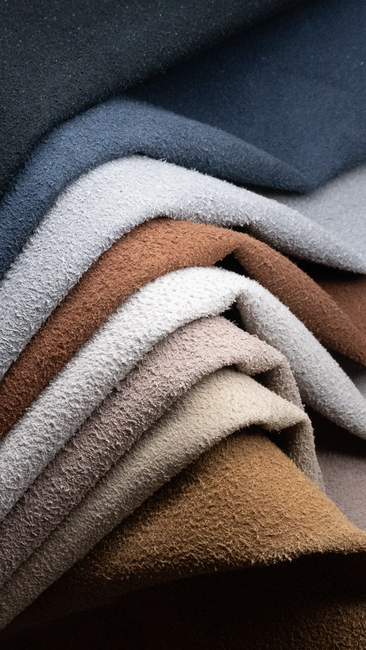
- Texture: The feel of the fabric against your skin can significantly impact comfort. High-quality fabrics will have a soft, smooth texture that doesn’t irritate the skin. Always touch and feel the fabric before purchasing.
- Weight: The weight of the fabric affects how it drapes and fits. Lighter fabrics are generally more suitable for warmer weather and casual styles, while heavier fabrics can provide structure and warmth for formal wear.
When shopping, consider these attributes carefully to ensure you are selecting a fabric that not only looks good but also feels good and lasts long.

How to Match Fabrics with Dress Styles and Occasions
Choosing the right fabric for a dress is not just about style; it’s also about matching the fabric to the occasion. Here are some tips to help you match fabrics appropriately:
- Casual vs. Formal: For casual dresses, opt for breathable fabrics like cotton or linen. For formal events, consider silk or chiffon, which provide a more elegant look.
- Seasonal Fabrics: Lighter fabrics are ideal for summer, while heavier options like wool blends are better for winter. Always consider the season when selecting your dress fabric.
- Event-Specific Choices: Think about the nature of the event. For weddings or parties, flowy fabrics like chiffon or georgette can enhance your elegance, while structured fabrics are better for professional settings.
This approach not only enhances your personal style but also ensures that you are appropriate for the occasion.
Tips for Checking Fabric Quality When Shopping Online
Shopping for ladies’ dresses online can be an exciting experience, but it also comes with its challenges, especially when it comes to ensuring the quality of the fabric. Here are some essential tips to help you make informed decisions while shopping online for your desired fabric.
1. Read Product Descriptions Thoroughly
Always start by carefully reading the product descriptions. Look for details about the fabric type, weight, and care instructions. A reputable seller will provide comprehensive information about the material, including whether it is 100% cotton, a blend, or synthetic. Pay attention to any specific mentions of fabric characteristics, such as softness, breathability, or stretch.
2. Check Customer Reviews and Ratings
Customer feedback can be a valuable resource. Look for reviews that specifically mention fabric quality, comfort, and durability. High ratings and positive comments can indicate a reliable product. Conversely, multiple complaints regarding the fabric could be a red flag. If possible, filter reviews to see those that include images, as they often provide a realistic view of the fabric’s appearance and texture.
3. Inspect Available Images
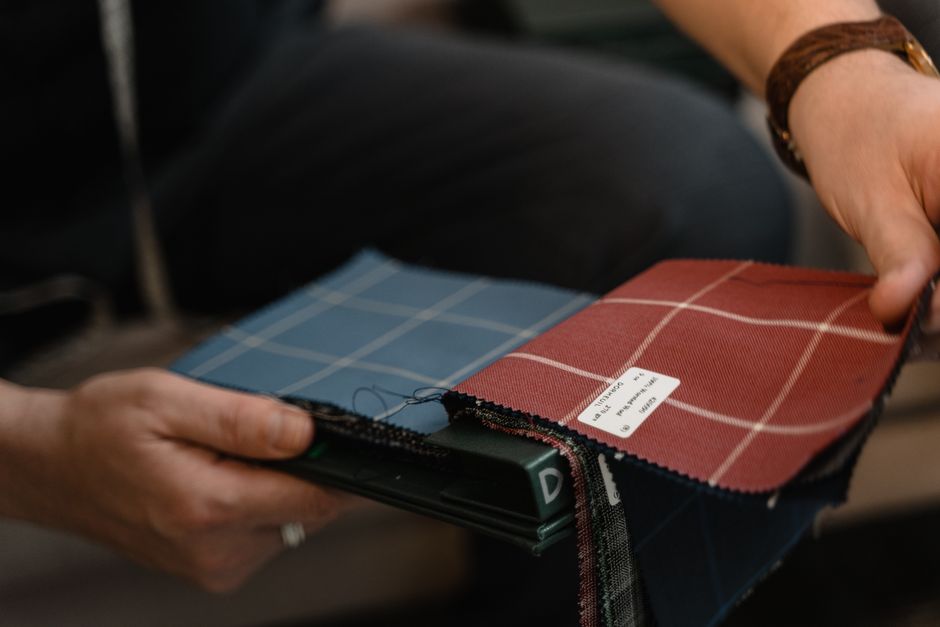
Examine all available images carefully. Look for close-up shots that showcase the fabric texture and weave. If the seller provides images taken from different angles or in different lighting, it can give you a better understanding of the color and quality. Be wary of listings that only show stock images, as they may not accurately represent the actual product.
4. Understand Return and Exchange Policies
Before making a purchase, familiarize yourself with the seller’s return and exchange policies. A good policy will allow you to return or exchange the dress if it does not meet your expectations regarding fabric quality or other features. This safety net can make online shopping less risky.
5. Look for Certifications and Labels
Some online retailers may provide certifications or labels indicating quality standards, such as organic certifications or fair trade labels. These can be indicators of higher-quality fabrics. If sustainability is important to you, look for brands that prioritize eco-friendly materials and ethical production practices.
6. Ask Questions
If you have specific questions about the fabric, don’t hesitate to reach out to the seller. A responsive customer service team is often a sign of a trustworthy business. Ask about fabric weight, care instructions, and any other details that can help you feel more confident in your purchase.

7. Compare Prices and Brands
When shopping online, it’s essential to compare prices across different platforms. Websites like Daraz, Metro, and Al-Fatah often have competitive pricing, but it’s also crucial to evaluate quality. Sometimes, spending a little more on a reputable brand can save you from disappointment in the long run. Look for well-known labels that are recognized for their quality fabrics.
8. Be Mindful of Seasonal Sales
Take advantage of seasonal sales and promotions when shopping online. Many retailers offer discounts during specific times of the year, including Eid, Independence Day, or back-to-school sales. However, ensure that the quality is not compromised just to take advantage of a lower price. It’s often worth waiting for a sale on a high-quality dress rather than rushing into a purchase.
9. Use the Right Search Filters
When browsing online stores, utilize search filters to narrow down your options based on fabric type, price range, and style. This can save you time and help you focus on finding dresses made from your preferred materials. For instance, if you’re specifically looking for cotton dresses, use that filter to avoid irrelevant options.
10. Familiarize Yourself with Fabric Care
Understanding how to care for different fabrics can also influence your purchasing decisions. Some materials require special care, such as dry cleaning or hand washing, while others are machine washable. Knowing these details can help you select fabrics that fit your lifestyle and maintenance preferences.
Local Brands and Suppliers Known for Quality Fabrics
Pakistan has a vibrant textile industry, with numerous local brands and suppliers offering high-quality fabrics for ladies’ dresses. Here are some reputable names to consider when shopping for your next dress:
1. Khaadi
Khaadi is well-known for its unique designs and premium quality fabrics. They offer a range of options from cotton lawn to silk, making it a popular choice for both casual and formal wear. Their commitment to quality ensures that you receive a product that is both stylish and durable.
2. Gul Ahmed
Another established name in the textile industry, Gul Ahmed is recognized for its wide variety of fabric types, including lawn, cotton, and silk. They frequently release seasonal collections that reflect the latest trends while maintaining high-quality standards.
3. Alkaram
Alkaram is celebrated for its elegant designs and exceptional fabric quality. They offer a range of dresses suitable for various occasions, from everyday wear to special events. Their fabrics are known for their vibrant colors and appealing textures.
4. Sana Safinaz
Sana Safinaz is a luxury brand that combines traditional and contemporary styles. Their fabric selection is impeccable, and they often feature intricate embroidery and embellishments that enhance the overall quality of their dresses.
5. J. (Junaid Jamshed)
J. offers a blend of traditional and modern attire. Their fabric quality is commendable, with a focus on comfort and style. They have a variety of options for ladies, including formal and semi-formal dresses.
6. Sapphire
Sapphire is known for its chic designs and high-quality textiles. They offer a diverse range of fabrics, from everyday essentials to luxurious options, catering to various tastes and preferences.

7. Nishat Linen
Nishat Linen is a favorite among shoppers looking for stylish and affordable fabrics. With a wide selection of prints and patterns, they offer both casual and formal options that don’t compromise on quality.
8. Ethnic by Outfitters
Ethnic by Outfitters focuses on contemporary designs and quality fabrics. They have a great selection of dresses for various occasions, emphasizing comfort and style. Their commitment to fabric quality is evident in every collection.
9. Bonanza Satrangi
Bonanza Satrangi offers a variety of fabric choices, including lawn and cotton blends. They are known for their affordability without sacrificing quality, making them a popular choice among budget-conscious shoppers.
10. Limelight
Limelight provides trendy designs at competitive prices. They focus on quality materials and have a range of options for ladies’ dresses, suitable for both casual outings and formal events.
Trends in Ladies’ Dress Fabrics in Pakistan
The fashion landscape in Pakistan is ever-evolving, with new trends in ladies’ dress fabrics emerging each season. Here are some current trends that are shaping the market:
1. Sustainable Fabrics
With a growing awareness of environmental issues, many brands are now focusing on sustainable fabrics made from organic materials. Cotton, linen, and hemp are becoming popular choices as consumers seek eco-friendly options. Brands that prioritize sustainability often highlight this in their marketing, appealing to health-conscious shoppers.
2. Digital Prints
Digital printing technology has revolutionized the fabric industry, allowing for vibrant designs and intricate patterns. This trend is particularly noticeable in lawn fabrics, where bold floral and abstract patterns are in high demand. Shoppers are increasingly drawn to unique prints that stand out.
3. Textured Fabrics
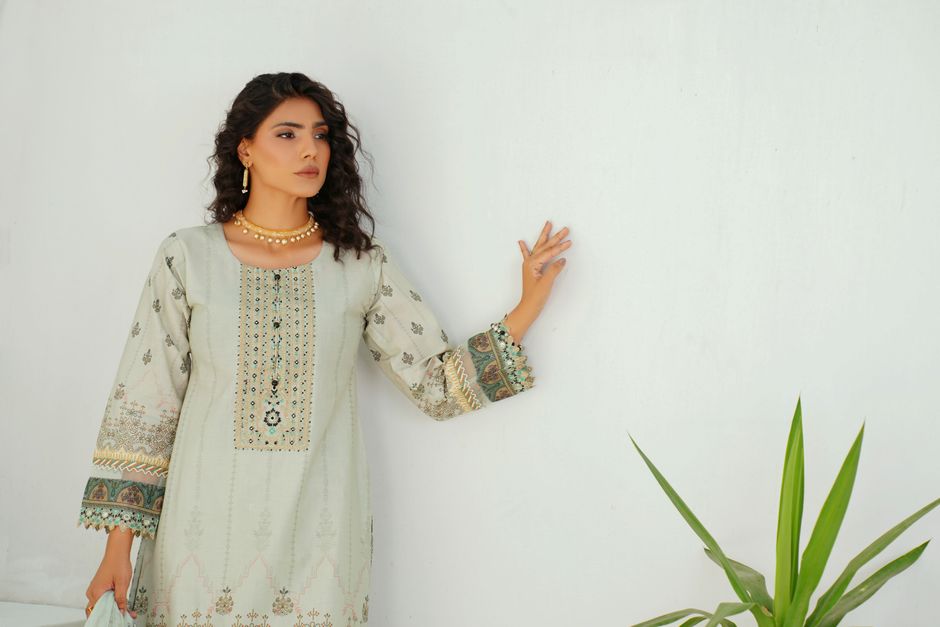
Textured fabrics like crinkle chiffon, organza, and brocade are making a comeback. These materials add depth and interest to dresses, making them suitable for both formal events and casual outings. The tactile quality of these fabrics enhances the overall aesthetic of the dress.
4. Pastel Colors
This season, pastel colors are dominating the fashion scene. Shades like mint green, lavender, and blush pink are popular choices for summer dresses. Pastels not only reflect a fresh and airy vibe but also appeal to a wide range of tastes.
5. Layered Fabrics
Layering different fabrics is a trend that allows for creative styling. Combining lightweight cotton with heavier fabrics like silk or chiffon can create visually appealing outfits that are both comfortable and stylish. This trend encourages personalization and creativity in dress design.
6. Embroidered Fabrics
Embellishments and embroidery are making a strong statement this season. Intricate designs on chiffon, silk, and cotton fabrics add elegance and sophistication to dresses, making them ideal for formal occasions. Many brands are incorporating detailed embroidery to elevate their offerings.
7. Maxi Dresses and Oversized Silhouettes
Maxi dresses and oversized silhouettes continue to trend, offering comfort and style. Fabrics like lightweight cotton and jersey are favored for their drape and ease of wear. This trend is particularly popular among fashion-conscious women looking for versatile outfits that can be dressed up or down.
8. Fusion of Traditional and Modern Styles
Designers are increasingly blending traditional Pakistani aesthetics with contemporary styles, resulting in unique fabric combinations. This fusion often incorporates traditional motifs on modern silhouettes, appealing to those who appreciate cultural heritage while embracing modern fashion trends.
9. Athleisure Fabrics
The athleisure trend is also influencing ladies’ dress fabrics. Comfortable, stretchable materials that allow for ease of movement are becoming more common in casual dresses. This trend caters to health-conscious buyers who prioritize comfort without compromising style.
10. Bold Patterns and Prints
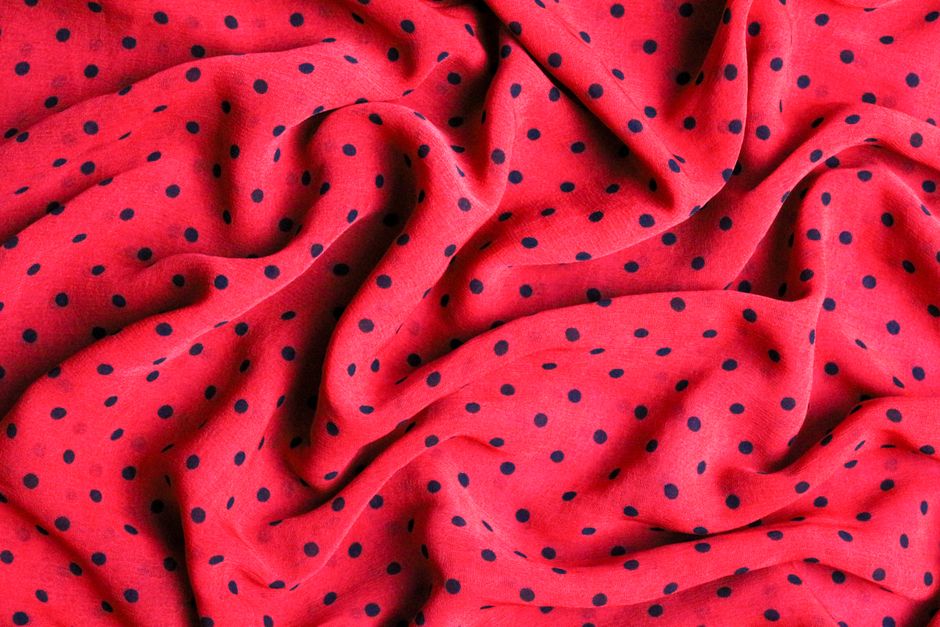
In contrast to the pastel trend, bold patterns and prints are making a comeback. Geometric designs, stripes, and abstract art are appealing to those who enjoy making a statement with their outfits. This trend provides a fun and lively option for casual wear.
Sustainable and Organic Fabric Options Available in the Market
As consumers become more environmentally conscious, the demand for sustainable and organic fabrics is on the rise in Pakistan. Here are some options and brands that focus on eco-friendly materials:
1. Organic Cotton
Organic cotton is grown without harmful chemicals, making it a healthier choice for both the environment and the wearer. Several local brands now offer dresses made from organic cotton, ensuring that you are making a responsible choice.
2. Bamboo Fabric
Bamboo fabric is gaining popularity due to its softness, breathability, and antibacterial properties. It is biodegradable and requires less water to produce compared to cotton, making it an eco-friendly alternative. Look for brands that specifically highlight bamboo in their product descriptions.
3. Recycled Fabrics
Recycled polyester and other fabrics made from post-consumer waste are becoming more prevalent. Brands that utilize recycled materials are helping to reduce waste in the fashion industry. Check for labels that indicate the use of recycled fabrics in their dresses.
4. Tencel and Lyocell
Tencel, also known as Lyocell, is made from sustainably sourced wood pulp. It is biodegradable and has excellent moisture-wicking properties, making it a comfortable choice for clothing. Several local brands are beginning to incorporate Tencel into their collections.
5. Hemp Fabric
Hemp is a durable and sustainable fabric that requires minimal water and pesticides. It is naturally resistant to mold and UV rays, making it an excellent choice for summer dresses. While still less common, some brands are beginning to explore hemp as a fabric option.
6. Eco-Friendly Dyes
In addition to sustainable fabrics, many brands are moving towards eco-friendly dyes. Natural dyes derived from plants and minerals are less harmful to the environment compared to synthetic dyes. Look for brands that emphasize their use of eco-friendly dyeing processes.
7. Local Artisans and Handloom Fabrics
Supporting local artisans who use traditional handloom techniques often means supporting sustainable practices. Fabrics produced by handlooms tend to have low environmental impact and promote fair trade. Many local brands collaborate with artisans to create unique, sustainable dresses.
8. Certifications to Look For
When shopping for sustainable fabrics, look for certifications such as GOTS (Global Organic Textile Standard) or OEKO-TEX. These certifications indicate that the fabric meets specific environmental and social criteria, ensuring a responsible purchase.
9. Brands Committed to Sustainability
Several local brands are taking significant steps towards sustainability. Brands like Khaadi and Gul Ahmed are increasingly incorporating organic and sustainable materials into their collections, making it easier for consumers to find eco-friendly options.
10. Community Support Initiatives
Some brands are also involved in community support initiatives, helping local farmers and artisans while promoting sustainable practices. Choosing dresses from these brands not only supports sustainable fashion but also contributes to local economies.
