
Honey
How to Choose the Best Honey for Health Benefits in Pakistan
Oct
Overview of Different Types of Honey Available in Pakistan
When it comes to honey, Pakistan offers a rich variety that caters to different tastes and health needs. Understanding the various types of honey available can significantly enhance your shopping experience, especially when searching for the best honey for health benefits in Pakistan.
One of the most common types is local honey, which is sourced from local beekeepers and often contains the unique flavors of the region’s flora. This honey can vary in color and taste depending on the flowers the bees visit. Local honey is prized for its natural qualities and is often favored by those seeking to support local agriculture.
Raw honey is another popular option. It is minimally processed, retaining most of its natural enzymes and nutrients. Raw honey is known for its health benefits, including antimicrobial properties and antioxidant content. Many health enthusiasts prefer raw honey for its purity and effectiveness in promoting wellness.

If you’re looking for something that meets specific health standards, organic honey is the way to go. This type of honey is produced from bees that forage on organically grown flowers, ensuring that no chemicals or pesticides are involved in its production. Organic honey is often more expensive but is considered a healthier option due to its cleaner production methods.
Lastly, Manuka honey has gained popularity in recent years, especially among health-conscious consumers. This honey, sourced from New Zealand, is renowned for its potent antibacterial properties and is often used in natural remedies. While Manuka honey may be more challenging to find in local markets, it can be purchased online, with several reputable platforms offering genuine products.
Health Benefits of Honey and Specific Types
Honey is more than just a natural sweetener; it is a powerhouse of health benefits. Understanding these benefits can help you make an informed decision when choosing the best honey for your health needs.
One of the most significant health benefits of honey is its antimicrobial properties. Honey has been used for centuries in traditional medicine to treat wounds and infections. Its natural compounds inhibit the growth of bacteria, making it an excellent natural remedy for minor cuts and burns.
Another notable benefit is its antioxidant content. Honey is rich in antioxidants, which help combat oxidative stress and inflammation in the body. This can lead to improved overall health and a reduced risk of chronic diseases.
Different types of honey offer unique health benefits. For instance, local honey is often recommended for allergy sufferers. It contains small amounts of local pollen, which may help build immunity against allergens. Consuming local honey regularly can lead to a reduction in allergy symptoms over time.
Raw honey is highly regarded for its health benefits due to its unprocessed nature. It is packed with enzymes, vitamins, and minerals that support the immune system. Additionally, raw honey can soothe a sore throat and may help alleviate coughs.
Manuka honey is particularly noted for its unique antibacterial properties, attributed to a compound called methylglyoxal (MGO). This makes it an excellent choice for promoting gut health and aiding digestion. It is also used in skincare for its healing properties.
Incorporating honey into your diet can be beneficial in several ways. Whether you choose local, raw, organic, or Manuka honey, each type provides its own set of health advantages that can contribute to a healthier lifestyle.
Criteria for Choosing Quality Honey
When selecting honey, especially for its health benefits, there are several crucial criteria to consider. Understanding these factors will help you make informed decisions while shopping, ensuring you invest in high-quality honey that delivers genuine health benefits.
1. Source and Origin
The source of honey plays a critical role in determining its quality. Honey produced from specific floral sources, such as acacia, eucalyptus, or wildflower, can have distinct flavors and health properties. Additionally, honey harvested in Pakistan’s diverse regions, like the Northern Areas, may offer unique benefits due to the local flora.
2. Raw vs. Processed Honey
- Raw Honey: This is honey that has not been heated or filtered. It contains natural enzymes, antioxidants, and nutrients that may be lost during processing. Raw honey is often considered the best choice for health benefits.
- Processed Honey: This type is typically pasteurized and filtered, which can strip away some beneficial properties. While it may have a longer shelf life, it may not provide the same health advantages as raw honey.
3. Color and Consistency
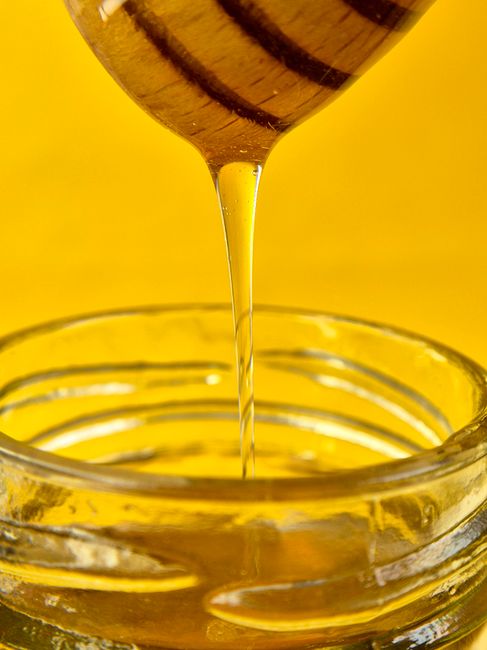
The color and consistency of honey can indicate its quality. High-quality honey usually has a rich, golden hue and a thick, viscous texture. If honey appears overly clear or too thin, it may be an indication of adulteration or poor quality.
4. Taste and Aroma
Genuine honey has a distinct flavor and aroma that reflects its floral source. Taste can vary widely, from the mild sweetness of clover honey to the robust, earthy notes of buckwheat honey. If possible, sample the honey before purchasing to ensure it meets your taste preferences.
5. Packaging and Labeling
Examine the packaging carefully. Quality honey should be packaged in glass or BPA-free plastic containers to preserve its integrity. Labels should clearly indicate whether the honey is raw, organic, or sourced from specific floral varieties. Look for certifications or seals that can assure you of the product’s authenticity.
6. Price Considerations
While price isn’t always an indicator of quality, extremely cheap honey may be a red flag. Quality honey, especially raw and organic varieties, typically comes at a higher price point due to the careful harvesting and processing methods involved. Be cautious of deals that seem too good to be true.
7. Local and Seasonal Variations
Honey can vary significantly based on the local environment and seasonal floral availability. Local honey often contains pollen from the area, which may help with seasonal allergies. Supporting local beekeepers not only ensures freshness but also promotes sustainable practices in your community.
8. Health Certifications
Look for honey that has been certified by health authorities or organic certification bodies. These certifications help ensure that the honey you purchase meets specific health and safety standards, providing you with additional peace of mind regarding its quality.
9. Reading Reviews and Recommendations
Before making a purchase, consider reading customer reviews and recommendations. Online platforms like Daraz, Metro, and Imtiaz often feature user feedback that can give you insights into the quality and taste of various honey brands available in Pakistan.
10. Awareness of Allergies and Sensitivities
If you or your family members have allergies or sensitivities, be cautious when trying new types of honey. Some individuals may react to specific floral sources, so it’s essential to start with smaller quantities to observe any possible reactions.
Checklist for Choosing Quality Honey
- Verify the source and floral origin.
- Choose raw over processed when possible.
- Check the color and consistency for quality indicators.
- Sample the taste and aroma if possible.
- Look for proper packaging and clear labeling.
- Consider price but be wary of deals that seem too low.
- Be aware of local and seasonal variations.
- Check for health certifications.
- Read reviews before purchasing.
- Be mindful of allergies and sensitivities.
How to Identify Authentic Honey Versus Fake
With the growing popularity of honey, the market has seen an influx of counterfeit products. Identifying authentic honey is essential to ensure you receive the health benefits you seek. Here are some practical methods to distinguish between genuine and fake honey.
1. The Water Test
One simple way to test honey’s authenticity is the water test. Fill a glass with water and add a tablespoon of honey. Genuine honey will settle at the bottom without dissolving quickly, while fake honey will dissolve rapidly, indicating the presence of added sugars or syrups.
2. The Thumb Test
Put a small drop of honey on your thumb. If it spreads out quickly, it may be adulterated. Authentic honey should stay in place and not smear. This test gives a quick indication of purity.
3. The Taste Test
Authentic honey has a complex flavor profile that varies based on its source. If the honey tastes overly sweet or lacks depth, it may be a sign of additives. Genuine honey should have a rich, unique flavor that reflects its floral origin.
4. Crystallization
Raw honey tends to crystallize over time, resulting in a grainy texture. This is a natural process and not an indication of poor quality. On the other hand, processed honey may remain liquid indefinitely, which can suggest it has been adulterated.
5. Label Scrutiny
Always read the label carefully. Look for terms like “pure,” “raw,” or “organic.” Be cautious of honey labeled simply as “honey” without further specifications, as it may contain additives. Additionally, check for the absence of high fructose corn syrup or other sweeteners in the ingredient list.
6. Local Sources
Whenever possible, purchase honey from local beekeepers or trusted markets. Local honey is less likely to be adulterated, and you can often learn more about its source and production methods directly from the seller.
7. Certification and Testing
Seek honey products that undergo third-party testing for purity and authenticity. Certifications from recognized organizations provide an added layer of assurance regarding the quality of the honey you are purchasing.
8. Price Point
Be wary of honey that is priced significantly lower than competitors. While it’s natural to look for bargains, especially online, extremely low prices can indicate compromised quality or adulteration. Genuine honey often comes at a higher price due to the labor-intensive process of beekeeping and honey extraction.
9. Sensory Evaluation
In addition to taste and aroma, pay attention to the texture and appearance. Authentic honey should have a thick, viscous consistency. If it appears overly watery or has bubbles, it may not be pure.
10. Research Reputable Brands
Before purchasing online or in-store, conduct some research on reputable honey brands available in Pakistan. Brands with positive reviews and a history of quality assurance can provide confidence in your purchase.
Tips for Avoiding Fake Honey
- Conduct simple home tests like the water or thumb test.
- Prioritize local sources and direct purchases from beekeepers.
- Read labels carefully and look for certifications.
- Be cautious of prices that seem too low compared to market standards.
- Research brands and check for customer feedback online.
Local Availability and Purchasing Options for Honey
In Pakistan, honey is widely available through various channels, providing ample opportunities for health-conscious shoppers to find quality products. Understanding where and how to purchase honey can enhance your shopping experience.
1. Local Markets and Organic Stores
Visiting local markets is one of the best ways to find authentic honey. Many vendors sell honey sourced from nearby beekeepers, allowing you to inquire about its origin and production methods. Organic stores often carry a range of local and imported honey, including raw and specialty varieties.
2. Online Shopping Platforms
Online shopping has made it easier to access a wide variety of honey products. Platforms like Daraz, Metro, and Imtiaz provide convenient options for comparing different brands, reading reviews, and enjoying home delivery. When purchasing online, always check seller ratings, product descriptions, and customer feedback to ensure quality.
3. Supermarkets and Grocery Chains
Major grocery chains such as Al-Fatah and Naheed typically carry various honey brands, including both local and imported options. While shopping at these stores, you can often find honey in dedicated sections, making it easy to compare different types and brands.
4. Health Food Stores
Health food stores are a reliable source for organic and specialty honey. These stores often carry a selection of raw honey, Manuka honey, and other varieties that may not be available in regular supermarkets. Staff members can usually provide valuable information on the health benefits and uses of different types of honey.
5. Directly from Beekeepers
Supporting local beekeepers not only ensures you receive fresh and high-quality honey but also promotes sustainable practices. Many beekeepers sell directly to consumers at farmers’ markets or through community-supported agriculture (CSA) programs. This option allows you to engage with the producers and gain insight into their beekeeping practices.
6. Seasonal Availability
Honey availability can vary by season, with certain types of honey more abundant during specific times of the year. For instance, spring and summer are prime harvesting seasons for many floral varieties. Planning your purchases during peak seasons may provide access to fresher and more flavorful honey.
7. Bulk Purchasing Options
For families or individuals who consume honey regularly, bulk purchasing can be a cost-effective option. Many online platforms and local stores offer bulk buying options, allowing you to stock up on your favorite honey varieties while saving money.
8. Price Comparisons
When shopping for honey, consider comparing prices across different platforms and stores. Taking the time to explore various options can help you find the best deals and ensure you don’t miss out on quality products. Don’t forget to factor in shipping costs when ordering online.
9. Seasonal Promotions and Discounts
Keep an eye out for seasonal promotions or discounts, especially during health-related campaigns or festivals. Many stores offer special deals on honey during these times, making it a great opportunity to purchase high-quality products at reduced prices.
10. Community Recommendations
Joining local online communities or forums focused on health and wellness can provide valuable insights into where to find the best honey. Fellow health-conscious buyers can share their experiences and recommendations, helping you discover trusted sources in your area.
Common Misconceptions About Honey
Despite its numerous health benefits, honey is often surrounded by misconceptions that can lead to confusion when choosing the right type. Understanding these myths is essential for making informed decisions.
1. All Honey is the Same
Many consumers believe that all honey is identical, but this is far from the truth. Honey varies based on its floral source, processing methods, and geographical location. Each type offers unique flavors, aromas, and health benefits.
2. Honey is Just Sugar
While honey is a natural sweetener, it contains more than just sugar. It is rich in vitamins, minerals, and antioxidants, providing health benefits that refined sugar lacks. Consuming honey in moderation can be a healthier alternative to processed sugars.
3. Honey is Calorie-Free
Another common misconception is that honey contains no calories. In reality, honey is calorically dense, similar to other sweeteners. However, its natural sugars and additional nutrients may offer more health benefits than refined sweeteners when consumed in moderation.
4. Honey Does Not Spoil
While honey has a long shelf life due to its low moisture content and natural preservatives, it can still degrade over time. Improper storage or contamination can lead to spoilage, affecting its quality and taste. It’s best to store honey in a cool, dark place in a sealed container to maintain its quality.
5. All Honey is Raw
Many consumers assume that all honey sold in stores is raw, but this is not the case. Processed honey is widely available and may lack the health benefits associated with raw varieties. Always check labels to ensure you are purchasing raw honey if that is your preference.
6. Honey is Safe for Infants
It is crucial to note that honey should not be given to infants under one year of age due to the risk of botulism. The spores that cause this illness can be present in honey and may pose a serious health risk to young children.
7. Honey is an Instant Cure-All
While honey offers several health benefits, it is not a miracle cure for all ailments. It can be a supportive addition to a healthy lifestyle but should not replace medical treatment or professional advice. Always consult a healthcare provider for serious health concerns.
8. Honey Should Always be Heated for Consumption
Some people believe that heating honey enhances its flavor or makes it safer to consume. However, heating honey can destroy its beneficial enzymes and nutrients. It’s best to use honey at room temperature or incorporate it into recipes without excessive heat.
9. Honey is Only for Sweetening
Many are unaware of the versatile uses of honey beyond sweetening food. Honey can be used in skincare, natural remedies, and even as an ingredient in various recipes. Exploring its diverse applications can enhance your overall health and wellness routine.
10. Organic Honey is Always the Best Choice
While organic honey is often considered superior, it’s essential to evaluate each product on its own merits. Some non-organic honey may still be high-quality and free from additives. Focus on sourcing honey from reputable producers rather than solely relying on organic labels.
Expert Tips for Selecting the Best Honey
Choosing the best honey can be a rewarding experience when armed with the right knowledge. Here are some expert tips to guide you in making the best selection for your health and taste preferences.
1. Prioritize Local Honey
Local honey is not only fresher but also contains pollen from local plants, which may help with seasonal allergies. Supporting local beekeepers fosters sustainable practices in your community and contributes to the preservation of bee habitats.
2. Look for Raw and Unfiltered Options
Select honey that is labeled as raw and unfiltered to ensure you are receiving all the natural benefits. These varieties retain their enzymes, antioxidants, and nutrients, making them more valuable for health purposes.
3. Consider Seasonal Varieties
Different honey types are available throughout the year, depending on the floral sources in bloom. Experimenting with seasonal varieties can enhance your culinary experiences and introduce you to new flavors and health benefits.
4. Pay Attention to Harvest Dates
Check the harvest date on the label, if available. Fresher honey tends to have a better flavor and aroma. Aim for honey that has been harvested within the last year for optimal quality.
5. Engage with Beekeepers
Whenever possible, engage with beekeepers directly to learn about their practices and the honey they produce. They can provide insights into the unique qualities of their honey, helping you make an informed choice.
6. Sample Before You Buy
If you have the opportunity, sample honey before purchasing. Tasting different varieties will help you identify your preferences and discover which types resonate most with your palate.
7. Investigate Brand Reputation
Do some research on brands before purchasing honey. Look for companies with a reputation for quality and transparency. Brands that prioritize sustainability and ethical beekeeping practices are often more reliable.
8. Explore Medicinal Uses
Consider the potential medicinal uses of honey when making your selection. Different types of honey may offer various health benefits, so choose a variety that aligns with your wellness goals.
9. Keep an Eye on Consistency
Quality honey should have a consistent texture and appearance. If you notice any unusual granulation or separation, it could indicate adulteration or poor quality.
10. Don’t Hesitate to Ask Questions
Whether shopping in-store or online, don’t hesitate to ask questions about the honey’s origin, processing methods, and health benefits. Knowledgeable sellers can provide valuable information that aids in your selection process.
