
Ladies Handbags
How to Spot High-Quality Handbags: A Guide for Pakistani Shoppers
Oct
Understanding Material and Craftsmanship in Handbags
When it comes to purchasing a handbag, the material and craftsmanship are fundamental indicators of quality. Understanding these elements can help you make informed choices that align with both your style and budget.
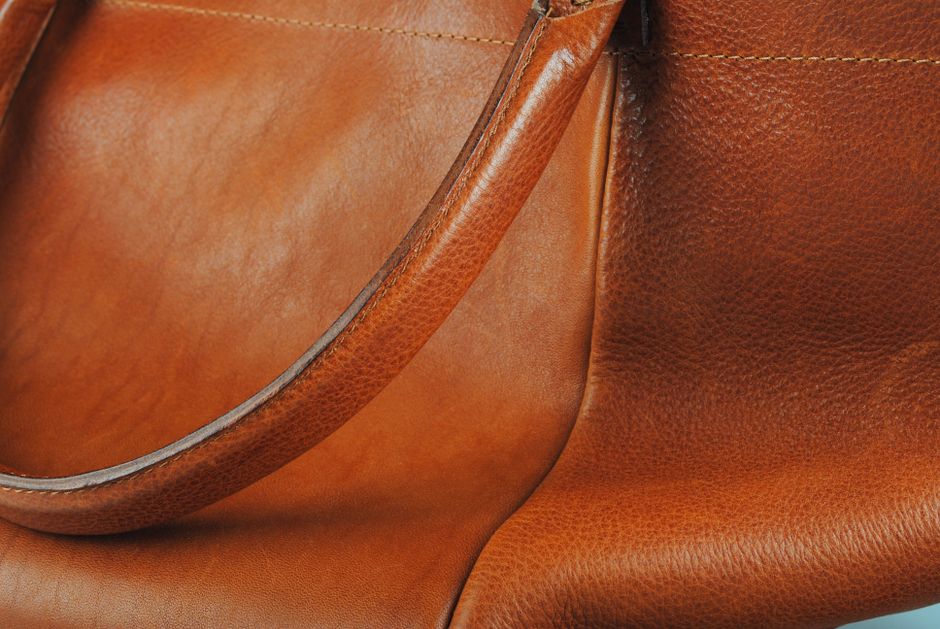
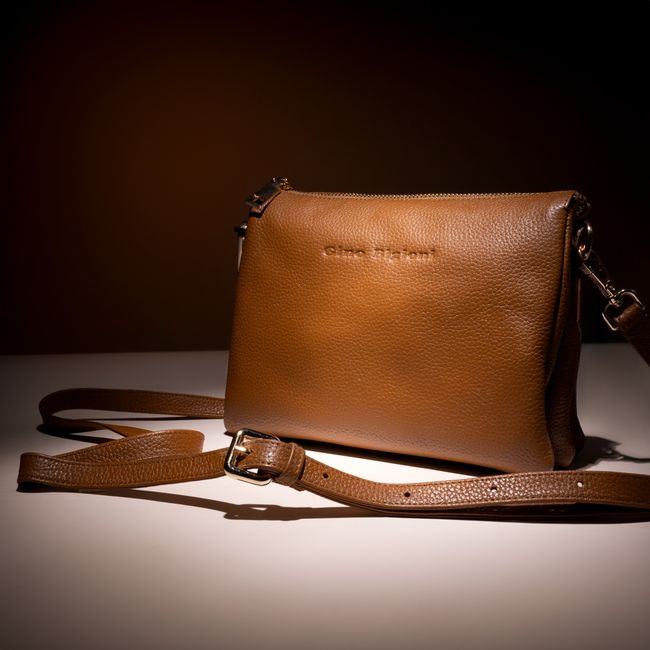
One of the most sought-after materials for high-quality handbags is genuine leather. Not only does it exude elegance, but it also offers durability and a unique character that develops over time. Genuine leather handbags can often withstand the rigors of daily use while maintaining their aesthetic appeal. Look for bags made from full-grain or top-grain leather, as these types are considered the best quality. They possess natural imperfections that add to their charm and individuality.
On the other hand, synthetic materials like PU leather and nylon can also be found in the market. While these materials may offer a cheaper alternative, they often lack the longevity and character of genuine leather. However, advancements in technology have allowed for the creation of high-quality synthetic materials that mimic leather’s appearance and feel. If you choose to go for synthetic options, ensure that the material feels substantial and has a realistic texture.
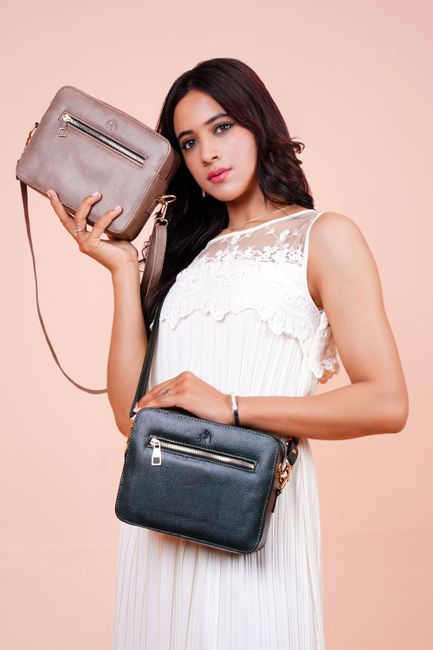
Craftsmanship plays an equally critical role in determining a handbag’s quality. High-quality handbags often feature precise stitching, reinforced seams, and attention to detail in hardware such as zippers and clasps. Check the stitching closely; it should be even and tight, without any loose threads. Additionally, inspect the interior lining of the handbag. A well-crafted bag will have a durable lining that complements the outer material in both style and functionality.
In summary, when evaluating handbags, pay close attention to both the material and craftsmanship. Genuine leather, particularly full-grain and top-grain, is a hallmark of quality, while synthetic materials can be acceptable if they are well-made. Look for meticulous craftsmanship in stitching and details to ensure that the handbag will not only look good but also last long.
The Importance of Brand Reputation
Brand reputation is another essential factor to consider when selecting a handbag. Established brands often have a track record of quality and customer satisfaction, making them a safer choice for consumers. In the competitive world of fashion, brands invest heavily in their image and product quality to maintain customer loyalty.
When shopping for handbags, consider brands that are recognized for their craftsmanship and design. These brands have built their reputations over the years based on the quality of their products. Additionally, they often provide warranties or guarantees that add an extra layer of security to your purchase.
Customer reviews can also offer valuable insight into a brand’s reputation. Look for feedback on the quality, durability, and customer service associated with specific handbags. This firsthand information can help you discern whether a brand lives up to its claims.
In Pakistan, several local and international brands are known for their quality handbags. Researching these brands can help you make better purchasing decisions and avoid subpar products. While it’s tempting to opt for lesser-known brands due to lower prices, investing in a handbag from a reputable brand often pays off in the long run.
In conclusion, brand reputation is crucial when choosing a handbag. Established brands are typically synonymous with quality and reliability. Customer reviews can provide insight into a brand’s performance, making it easier for you to select a handbag that meets your standards.
Assessing Price vs Quality: Is It Worth It?
Understanding the relationship between price and quality is vital when purchasing handbags. While a higher price does not always guarantee better quality, being wary of overly cheap options is equally important. The key is to find a balance between price and value.
Begin by setting a budget for your handbag purchase. Consider how often you’ll use the handbag and what it’s intended for. If you’re looking for a versatile piece that will see daily use, investing a bit more might be worthwhile. Quality handbags from reputable brands can range significantly in price, but they often provide better materials and craftsmanship, ensuring longevity.
When comparing handbags within your budget, assess the features they offer. Does the handbag have additional compartments? Is the lining durable? Does the design fit your lifestyle? Sometimes, paying a little extra for a handbag with practical features can enhance its value over time.
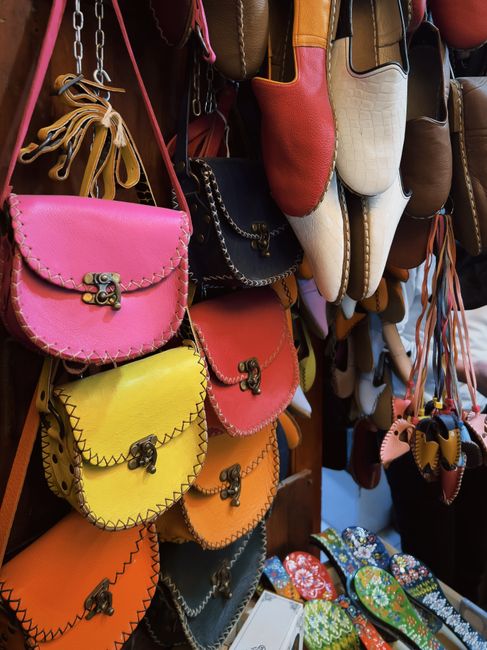
Consider the concept of investment pieces as well. Some handbags, especially those from luxury brands, can appreciate in value. If you choose wisely, a handbag can become a lasting asset rather than just a fashion accessory.
Ultimately, to determine if a handbag is worth its cost, weigh its features, materials, and brand reputation against the price tag. This approach will help you make informed decisions that align with your budget and quality expectations.
Identifying Counterfeits: Avoiding Fake Handbags
In the world of handbags, the allure of designer labels can sometimes overshadow the importance of authenticity. Counterfeit handbags are prevalent in the market, particularly online, and they often mimic the appearance of high-quality products. However, these fakes can be easily spotted with a keen eye and some knowledge. Here are some tips to help you identify counterfeit handbags and ensure that you invest in a genuine product.
Examine the Branding
One of the first things to check when assessing a handbag for authenticity is the branding. Genuine handbags typically have precise and consistent logos. Look for:
- Spelling Errors: Misspelled brand names are a common indicator of counterfeit products.
- Logo Placement: Ensure the logo is placed correctly according to the brand’s specifications. Check official brand websites for reference.
- Quality of Embroidery: High-quality handbags will have clean, even stitching with no loose threads.
Inspect the Material
The material used in a handbag plays a crucial role in its authenticity. High-quality handbags are made from premium materials such as genuine leather, high-grade canvas, or durable fabrics. Look for:
- Texture: Genuine leather has a unique texture and smell that is hard to replicate. If the bag feels too smooth or has an unnatural scent, it may be a counterfeit.
- Hardware Quality: The zippers, buckles, and other hardware should be sturdy and well-made. Check for brand markings on the hardware for authenticity.
- Interior Lining: High-end handbags typically have a well-finished interior lining that complements the exterior material.
Check the Stitching
Stitching is another critical factor in determining the quality of a handbag. In authentic handbags, stitching should be even and consistent throughout. Look for:
- Even Stitches: Count the stitches per inch; high-quality bags usually have 8-10 stitches per inch.
- Reinforced Seams: Authentic handbags will have reinforced seams at stress points, such as where the handles meet the body of the bag.
- Thread Quality: High-quality bags use strong, durable threads that match the color of the bag.
Assess the Overall Construction
The construction of a handbag can often reveal its authenticity. Genuine handbags are crafted with care and attention to detail. Consider the following:

- Shape and Structure: Authentic bags maintain their shape, while counterfeit bags may sag or appear misshapen.
- Weight: High-quality handbags tend to be heavier due to the materials used. A lightweight bag may indicate lower-quality materials.
- Inside Pockets and Compartments: Genuine handbags typically have well-organized compartments and pockets that are functional and stylish.
Research and Compare Prices
While it’s tempting to jump on a bargain, especially for high-end brands, remember that if the price seems too good to be true, it probably is. Before making a purchase, research the brand to understand the typical price range for their products. Look for:
- Pricing Guidelines: Familiarize yourself with what authentic products cost. If you find a handbag being sold for a fraction of its retail price, it’s likely a counterfeit.
- Authorized Retailers: Purchase from reputable stores or authorized online retailers to ensure authenticity. Websites like Daraz, Al-Fatah, and Metro often have genuine products.
Look for Authentication Cards and Packaging
Many luxury brands provide authentication cards and high-quality packaging for their products. When evaluating a handbag, pay attention to:
- Authentication Cards: These cards often accompany high-end handbags and contain details about the product. Make sure the card matches the handbag.
- Packaging Quality: Authentic products typically come in quality dust bags and boxes. If the packaging seems cheap, the product inside may be as well.
Care and Maintenance: Prolonging Your Handbag’s Life
Investing in a high-quality handbag is just the beginning; maintaining its beauty and functionality is crucial for longevity. Proper care and maintenance can significantly extend the life of your handbag. Here are some essential tips to help you keep your handbag in top condition:
Regular Cleaning
Keeping your handbag clean is paramount to maintaining its appearance. Depending on the material, the cleaning methods may vary:
- Leather Bags: Use a soft, damp cloth to wipe away dust and dirt. For deeper cleaning, consider using a leather cleaner specifically designed for the material.
- Canvas and Fabric Bags: Spot clean with a mild soap solution and a soft brush. Avoid saturating the fabric to prevent water stains.
- Hardware Care: Wipe metal parts with a soft cloth to maintain shine and prevent tarnishing.
Storage Practices
How you store your handbag can greatly affect its longevity. Follow these guidelines for optimal storage:
- Keep in Dust Bags: Store your handbag in a dust bag to protect it from dirt and scratches.
- Avoid Overstuffing: Do not overload your handbag, as excessive weight can distort its shape and cause wear and tear.
- Use Stuffing: Fill your handbag with tissue paper or bubble wrap to help it maintain its structure when not in use.
Protect from Environmental Factors
Environmental factors can significantly impact the condition of your handbag. To protect it:
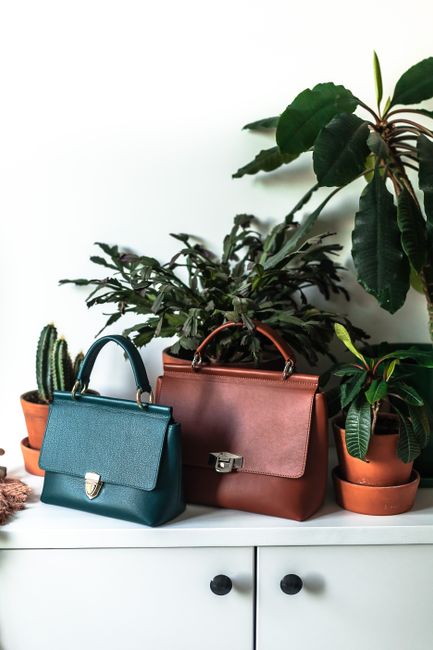
- Avoid Direct Sunlight: Prolonged exposure to sunlight can fade colors and damage materials. Keep your handbag in a cool, shaded area.
- Be Mindful of Weather: Rain and humidity can harm certain materials. Consider using a weatherproof spray on leather bags and avoid using fabric bags in wet conditions.
- Handle with Care: Be cautious when placing your handbag on surfaces that may scratch or stain it.
Professional Cleaning and Repairs
If your handbag requires significant cleaning or repairs, it’s wise to seek professional help. Many brands offer repair services, or you can find specialists in high-end handbag care:
- Leather Restoration Services: These professionals can repair scuffs, scratches, and other damage to leather handbags.
- Cleaning Services: Some companies specialize in cleaning high-quality handbags without damaging the materials.
Periodic Inspections
Regularly inspect your handbag for signs of wear and tear. Catching issues early can help you address them before they become significant problems. Look for:
- Stitching Integrity: Check for any loose threads or fraying seams.
- Hardware Functionality: Ensure zippers and clasps are functioning correctly.
- Material Condition: Monitor for any discoloration, stains, or abrasions.
Where to Buy Handbags: Safe Online Shopping Tips
With the rise of e-commerce, online shopping for handbags has never been easier. However, navigating the virtual marketplace requires caution to avoid scams and counterfeit products. Here are some tips to help you shop safely and effectively:
Choose Reputable Online Retailers
When shopping for handbags online, prioritize reputable retailers known for their authenticity. Look for:
- Established Platforms: Websites like Daraz, Al-Fatah, and Metro often have customer reviews and return policies that reinforce their credibility.
- Brand Websites: Purchasing directly from the brand’s official website ensures you receive an authentic product.
- Verified Sellers: If you’re shopping on marketplaces, check for verified seller badges or ratings.
Read Customer Reviews
Customer reviews can provide valuable insights into the quality and authenticity of a handbag. Pay attention to:
- Rating Systems: Look for products with high ratings and positive feedback.
- Detailed Reviews: Read through reviews for comments on quality, authenticity, and customer service experiences.
- Photo Evidence: Verified buyers often upload photos; these can help you gauge the product’s true appearance.
Understand the Return Policy
Before making a purchase, familiarize yourself with the retailer’s return policy. This is crucial in case the handbag does not meet your expectations:
- Time Frame: Know how long you have to return or exchange the product.
- Condition for Returns: Ensure you understand the condition in which items can be returned (e.g., unopened, tags attached).
- Refund Method: Check how refunds are processed—whether through store credit or direct payment.
Watch Out for Red Flags
Be vigilant for signs that may indicate a seller is not trustworthy. These include:
- Unrealistic Pricing: If a deal seems too good to be true, it likely is.
- Poorly Designed Websites: Legitimate retailers invest in their online presence; a poorly designed site may be a scam.
- Lack of Contact Information: Reputable sellers provide clear contact details, including customer service numbers and email addresses.
Secure Payment Methods
Ensure that the payment methods offered by the retailer are secure. Look for:
- Payment Protection: Use credit cards or payment services that offer buyer protection.
- Secure Checkout: Ensure the website uses HTTPS for secure transactions.
Price and Value: Making Smart Purchases
When it comes to handbags, understanding the relationship between price and quality is crucial for making informed purchases. In a market flooded with options, distinguishing between a genuine investment piece and a mere trend can save you both money and disappointment.
Understanding the Price Range
Before diving into the details, familiarize yourself with the typical price range for high-quality handbags in Pakistan. Here’s a quick overview based on material and craftsmanship:
| Material | Price Range (PKR) | Quality Indicators |
|---|---|---|
| Genuine Leather | 5,000 – 50,000 | Soft texture, natural imperfections, sturdy stitching |
| PU Leather | 2,000 – 15,000 | Smooth finish, lighter weight, less durability |
| Textile (Canvas, Nylon) | 1,500 – 10,000 | Durable materials, water-resistant, versatile designs |
Assessing Value for Money
When evaluating a handbag, consider not just the price tag but the overall value it offers. Here are some factors to weigh:
- Durability: A higher upfront cost can translate to a longer lifespan, making it a better investment.
- Functionality: Consider how the handbag fits your lifestyle. A versatile design can be used for multiple occasions, enhancing its value.
- Trends vs. Timelessness: While trendy pieces can be appealing, timeless designs offer longevity in style and usability.
When to Buy vs. When to Wait
Timing your purchase can significantly impact your budget. Here are some tips:
- Sales Seasons: Keep an eye out for seasonal sales, especially during Eid and other major holidays, when retailers often offer discounts.
- New Collections: When new designs are launched, older models may go on sale. This is a great time to find high-quality handbags at reduced prices.
- End of Season: Retailers often clear out stock at the end of a season, making it an ideal time to snag a deal on handbags that are still in great condition.
Comparing Options
When shopping online, take the time to compare similar handbags from different retailers. Here’s a checklist to guide your comparison:
- Check multiple platforms like Daraz, Metro, Al-Fatah, and Naheed for price variations.
- Read customer reviews to gauge satisfaction and quality.
- Examine the return policy; a flexible return policy can mitigate the risk of purchasing a handbag that doesn’t meet your expectations.
By carefully evaluating the price against the quality and considering the factors outlined above, you can make smarter purchasing decisions that align with your style and budget. Remember, a high-quality handbag is not just a fashion accessory; it’s an investment in your wardrobe.
