
Honey
How to Identify Original Honey at Home
Jun
Why Identifying Original Honey Matters
As consumers become more aware of food quality and sourcing, the need to distinguish between pure and adulterated honey is more significant than ever. Honey is a natural sweetener known not only for its delightful taste but also for its numerous health benefits. However, the market is flooded with products that claim to be pure honey but may contain additives, sugar syrups, or even artificial flavors.
Identifying genuine honey helps avoid health risks associated with adulterated products and supports ethical beekeeping practices. This guide will equip you with practical techniques to determine if your honey is original, ensuring you enjoy its full benefits.
Physical Characteristics of Authentic Honey
Begin by examining some of the physical properties of honey:
- Color Variance: Pure honey comes in various colors, ranging from almost colorless to dark amber. The hue often depends on the flowers visited by the bees. If a honey product has an unnatural brightness or uniformity in color, it may indicate adulteration.
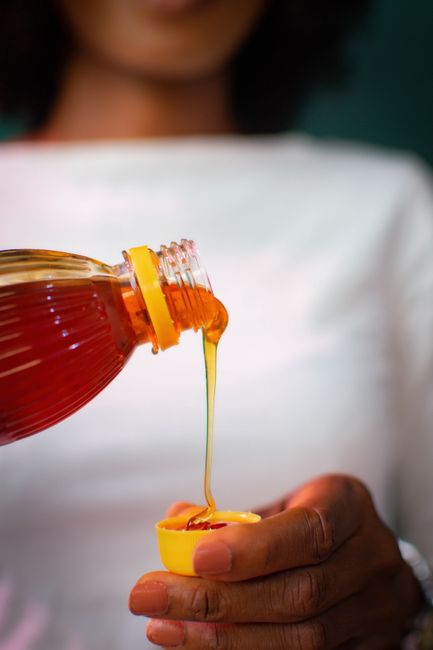
- Consistency and Viscosity: Original honey tends to be thicker and more viscous. When poured, it should form ribbons and flow slowly without quickly dissipating. If it resembles water, it’s likely diluted.
- Crystallization: Pure honey can crystallize over time due to its natural glucose content. If your honey remains completely liquid indefinitely, it may contain added preservatives or syrups.

Simple Home Tests to Confirm Purity
Several straightforward experiments can be conducted at home to check for the authenticity of honey. Here are some effective methods:
Water Test
Fill a glass with water and add a spoonful of honey. Pure honey will typically settle at the bottom without dissolving immediately. Adulterated honey, however, will start to diffuse quickly, indicating added sugars or syrups.
Vinegar Test
Mix water, honey, and vinegar in a bowl. If bubbles form, this is a sign that the honey may contain additives since pure honey does not react with vinegar in this way.
Flame Test
Take a cotton wick dipped in honey and attempt to light it. Pure honey should ignite without issue, but if your honey contains moisture and additives, the wick will not catch fire easily.
Testing for Authenticity Using Chemical Methods
For those looking for deeper verification, chemical tests can be employed:
pH Testing
Pure honey generally has a pH level between 3.2 and 4.5. You can purchase pH testing strips at any local pharmacy. If the pH is closer to neutral (around pH 7), then your honey might be excessively processed or mixed with other substances.
Hydroxymethylfurfural (HMF) Testing
HMF is a compound that forms when honey is heated or stored improperly. If you have access to laboratory assistance, they can measure the HMF content. Pure honey should have an HMF content below 40 mg/kg. Higher levels can suggest that honey is not as fresh or has been overly processed.
Understanding the Labels: How to Read Honey Packaging
When purchasing honey, label comprehension is crucial. Proper labeling can significantly enhance your chances of selecting pure honey. Here are things to look for:
- Source and Type: Look for local or organic honey labels, which often indicate less adulteration. Note the flower source, as it can add to the authenticity.
- Raw Honey: This labeling typically implies no heat-processing and minimal filtration, suggesting that it retains natural enzymes and nutrients.
- Certification: Various certifications can authenticate honey, like USDA Organic or Fair Trade certifications. They assure you of quality and ethical practices.
Common Mistakes When Identifying Honey Quality
Many consumers make mistakes that lead to misinterpretations of honey quality:
- Ignoring Consistency: People often assume that all honey should remain liquid. Understanding crystallization is essential to avoid confusion.
- Overreliance on Color: While color can indicate variety, it’s not a foolproof indicator of purity or quality. Each honey type varies.
- Trusting Brands Blindly: Established brands may also offer impure honey. It’s crucial to check every label carefully, irrespective of brand reputation.
Expert Tips for Ensuring Honey Quality
Here are practical recommendations from honey experts on how to select quality products:
- Buy Directly from Beekeepers: Local beekeepers often sell raw honey without additives, allowing you to verify its source and quality directly.
- Be Wary of Cheap Prices: If a deal sounds too good to be true, it probably is. Genuine honey, especially organic or artisanal varieties, will bear a price reflective of its quality.
- Participate in Tastings: Many health food stores offer tastings of honey. Experiencing the various flavors can help you become more discerning.
A Comparison of Different Types of Honey
| Type of Honey | Characteristics | Common Uses |
|---|---|---|
| Raw Honey | Unheated and unfiltered, retains pollen and enzymes. | Natural sweetener, health supplement. |
| Processed Honey | Heated, filtered, may contain additives. | Primarily as food or cooking ingredient. |
| Manuka Honey | Grown from the nectar of the Manuka tree, rich in unique health properties. | Wound healing, skincare. |
| Wildflower Honey | Variety of wildflowers, often with diverse flavors. | General use, flavor enhancement. |

FAQs
How can I tell if my honey has been adulterated?
Perform simple home tests such as the water test or vinegar test, which can indicate potential adulteration. Chemically verifying through HMF content is also informative.
Is local honey always better than store-bought?
Locally sourced honey often comes unprocessed and retains its natural properties, but vetting the supplier is key to ensuring quality regardless of location.
What happens if I consume adulterated honey?
Adulterated honey may not only diminish health benefits but could also pose health risks depending on the additives used. It’s essential to identify pure honey to maximize health benefits.
Can all types of honey crystallize?
Yes, but the speed and extent of crystallization vary by type. Honey with higher glucose ratios tends to crystallize faster than those with more fructose.
How long does pure honey last?
With proper storage (cool, dry place away from sunlight), pure honey can last indefinitely. Its natural properties deter spoilage, making it a long-lasting sweetener.
