
Healthy Foods
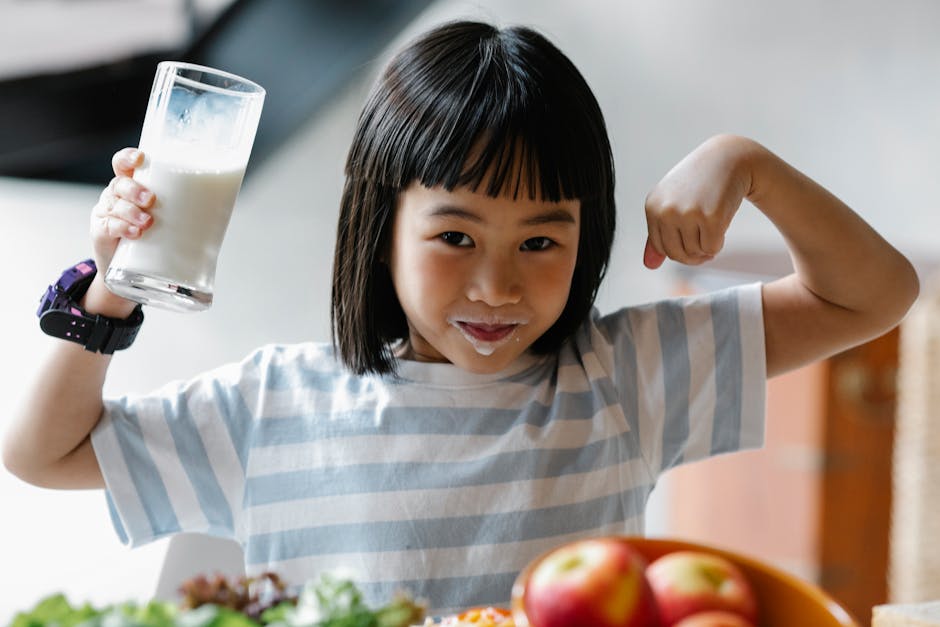
Best Foods for Weight Gain in Kids (Natural & Safe)
May
Understanding Healthy Weight Gain for Kids
Weight gain in children can often carry a stigma that promotes unhealthy foods or eating habits. However, ensuring that your child gains weight through safe and nutritious foods is vital for their growth, development, and overall well-being. Weight gain can be particularly important for underweight children or those recovering from illness, and the goal should always be to approach it in a healthy way.
Why Nutritional Choices Matter
Before we delve into the specific foods that can help with weight gain, it’s crucial to recognize the importance of balanced nutrition. Kids need more than just extra calories; they require essential nutrients that support their growth, brain function, immune system, and general health. Achieving healthy weight gain means choosing nutrient-dense foods that provide ample energy and vital nutrients.
Best Foods for Weight Gain in Kids
Here’s a detailed list of foods categorized into various groups that can contribute to healthy weight gain in children.
1. Whole Grains
Whole grains are an excellent source of energy and fiber, which aid in digestion. Foods like brown rice, oats, and whole-grain bread can significantly contribute to daily calorie intake. Consider these options:
- Brown Rice: Packed with carbohydrates, brown rice also contains essential amino acids that are beneficial for growth.
- Rolled Oats: A great breakfast option that can be mixed with fruits or honey to increase calorie density.
- Quinoa: High in protein and gluten-free, quinoa adds a nutritional punch while being calorie-rich.
2. Nut Butters
Nut butters, such as almond or peanut butter, are calorie-dense and packed with healthy fats, vitamins, and minerals. They can be spread on fruits, whole grain bread, or used in smoothies for an energy boost. Consider the following:
- Peanut Butter: A tablespoon contains about 100 calories, making it a great option for increasing daily energy intake.
- Almond Butter: Rich in fiber and antioxidants, it provides a delicious alternative to peanut butter and can be used similarly in meals.
3. Dairy Products
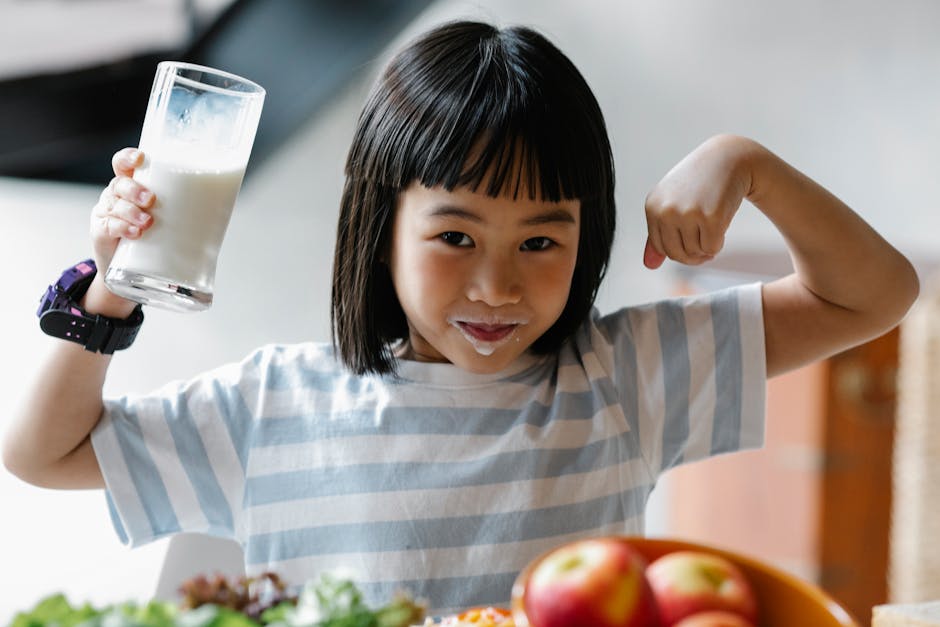
Dairy is integral for growth because it provides calcium and protein. Opt for whole-fat versions to help with weight gain:
- Full-Fat Yogurt: An excellent source of probiotics, yogurt can be made sweeter with fruit and honey.
- Cottage Cheese: High in protein and versatile, it can be mixed with fruits or consumed as a snack.
- Cheese: A great source of calcium and fats, cheese can be added to various dishes or snacks.
4. Healthy Fats
Incorporating sources of healthy fats in children’s diets is essential for high-calorie meals that are nutrient-rich. Consider these items:
- Avocados: Full of healthy monounsaturated fats and calories, avocados can be added to sandwiches or smoothies.
- Olive Oil: Use as a dressing or in cooking to add calories to dishes without much effort.
- Seeds: Flaxseeds and chia seeds can be added to yogurts and smoothies for added calories and fiber.
5. Protein-Rich Foods
Protein is essential for muscle development and should not be overlooked in weight gain strategies. Here are some ideal choices:
- Lean Meats: Chicken and turkey breast are excellent sources of protein with fewer unhealthy fats.
- Fish: Fatty fish like salmon is not only high in protein but also omega-3 fatty acids, promoting brain health.
- Eggs: A versatile and nutritious food providing protein and healthy fats essential for growing children.

6. Fruits and Vegetables
Although often lower in calories, fruits and veggies can still contribute to weight gain when chosen wisely. Opt for:
- Bananas: High in carbohydrates, they are an easy snack and can be used in smoothies for extra calories.
- Roots and Tubers: Sweet potatoes and carrots are nutrient-dense and higher in calories compared to green vegetables.
- Dried Fruits: Options like dates, raisins, and apricots are energy-dense and easy to include in snacks.
Common Mistakes to Avoid
When aiming for healthy weight gain, it’s crucial to avoid the following pitfalls:
- Choosing Processed Foods: While they may be calorie-dense, processed foods can be low in nutritional value.
- Ignoring Physical Activity: Encouraging exercise can promote muscle gain instead of just fat gain, leading to healthier weight increases.
- Forcing Eating: Kids naturally regulate their intake. Pushing them to eat will not lead to healthy habits.
- Meal Skipping: Ensure consistent meal times and include healthy snacks to prevent skipping meals.
Expert Tips for Healthy Weight Gain
Here are some practical tips to encourage weight gain in kids:
- Make Meals Fun: Involve your children in meal planning and preparation to make them excited about food.
- Choose High-Calorie Snacks: Snack options like granola bars and trail mixes can help increase calorie intake without making meals feel heavy.
- Utilize Smoothies: A fruit and nut butter smoothie can be calorie-dense and very nutritious. Allow kids to pick their ingredients!
- Encourage Family Meals: Eating together can create a positive atmosphere around food, promoting better eating habits.
Comparison of Weight Gain Foods
| Food Group | Examples | Benefits |
|---|---|---|
| Whole Grains | Brown rice, oats, quinoa | High in fiber and energy |
| Nut Butters | Peanut butter, almond butter | Rich in healthy fats |
| Dairy | Full-fat yogurt, cheese | Calcium and protein sources |
| Healthy Fats | Avocados, olive oil | Calorie-dense and nutritious |
| Protein-Rich Foods | Lean meats, fish, eggs | Supports muscle growth |
| Fruits & Vegetables | Bananas, sweet potatoes | Nutrient-rich with natural sugars |
FAQ
What are the signs of underweight in kids?
Common signs include a body mass index (BMI) below the 5th percentile, frequent fatigue, or concerns about their growth rate as compared to peers. Consultation with a healthcare provider is advisable if you suspect your child may be underweight.
Can weight gain affect growth?
Yes, proper weight gain can positively influence growth, contributing to bone and muscle development. It’s essential to focus on healthy foods that support overall growth and not just add extra pounds.
How many calories should my child consume for weight gain?
The number of calories varies based on age, sex, and activity level. A healthcare provider can help determine individual needs, often suggesting an increase of 300-500 calories for weight gain.
Are there any foods to avoid for weight gain?
Avoid processed foods high in sugar and unhealthy fats, which can lead to unhealthy weight gain. Instead, focus on whole foods that provide essential nutrients.
Is it safe to use supplements for weight gain?
Supplements should not be the first choice for helping a child gain weight. Instead, a well-rounded diet is preferable. Always consult a pediatrician before considering any supplements.

Strong Human-Style Conclusion
Choosing the right foods for weight gain in kids requires a balanced approach, focusing on nutrient-dense options that support overall health. While it may seem challenging, introducing these calorie-rich, wholesome foods can help create healthy eating habits that will benefit them in the long run. Remember that every child is unique; tailor these suggestions to fit their preferences and needs, always fostering a positive relationship with food.
