
Ladies Dresses
The Complete Fabric Guide for Ladies Dresses: Understanding Textiles
Jul
Understanding Fabrics: The Basics
When it comes to ladies dresses, the choice of fabric can significantly impact style, comfort, and functionality. Understanding the various types of textiles available is essential for making informed shopping decisions. This guide will walk you through the most common fabrics used in ladies dresses, their characteristics, and suitable occasions for each.
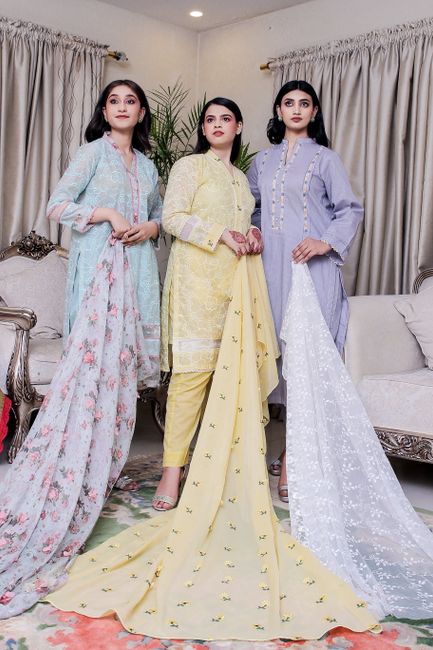
Common Fabrics Used in Ladies Dresses
Cotton
Cotton is one of the most popular fabrics for ladies dresses due to its breathability, softness, and versatility. Ideal for casual wear, cotton dresses are comfortable and easy to care for, making them a staple in many wardrobes.
Silk
Known for its luxurious feel and elegant drape, silk is often used for formal dresses. It has a natural sheen and can be lightweight or heavier depending on the weave. Silk dresses are perfect for special occasions such as weddings and parties.
Chiffon
Chiffon is a lightweight, sheer fabric that adds a romantic touch to dresses. Its delicate texture and flowing nature make it ideal for layered designs and evening wear.
Georgette
Similar to chiffon but slightly heavier, georgette is a versatile fabric often used in both casual and formal dresses. It offers a nice drape and is less transparent than chiffon.
Linen
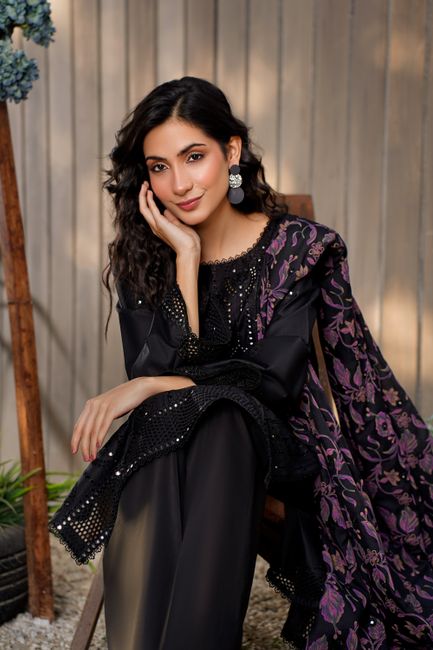
Linen is a breathable fabric that is perfect for hot weather. Its natural fibers provide excellent moisture absorption, making it ideal for summer dresses. However, it wrinkles easily, which can be a consideration for some.
Polyester
This synthetic fabric is durable, affordable, and resistant to wrinkles, making it a popular choice for everyday dresses. Polyester can mimic the properties of natural fabrics, offering a wide range of styles and designs.
Fabric Characteristics: What to Consider
Breathability
Breathable fabrics like cotton and linen are essential for comfort, especially in Pakistan’s warm climate. Look for lightweight options during summer.
Durability
Fabrics like polyester and blended materials tend to be more durable and require less maintenance, making them practical for everyday wear.
Care Instructions
Understanding how to care for different fabrics is crucial. For example, silk needs to be dry-cleaned, while cotton can often be machine washed. Always check the care label before purchase.
Seasonal Fabric Recommendations
Summer Fabrics
In Pakistan’s hot summer months, lightweight and breathable fabrics are a must. Cotton, linen, and chiffon are excellent choices to keep cool and comfortable.
Winter Fabrics
For winter, opt for heavier fabrics like wool blends or layered styles with cotton or polyester. These fabrics provide warmth without sacrificing style.
Choosing the Right Fabric for Different Occasions
Casual Wear
For everyday outings, consider comfortable fabrics like cotton or jersey. These materials allow for ease of movement and casual style.
Formal Events
For weddings or formal gatherings, silk or chiffon dresses can elevate your look. The elegance of these fabrics will ensure you stand out in any crowd.
Work Attire
Business casual dresses made from polyester or cotton blends offer a polished look while remaining comfortable for day-long wear.
Fabric Comparisons: A Quick Overview
| Fabric | Breathability | Durability | Care | Best For |
|---|---|---|---|---|
| Cotton | High | Medium | Machine Wash | Casual |
| Silk | Medium | Medium | Dry Clean | Formal |
| Chiffon | High | Low | Hand Wash | Evening Wear |
| Linen | High | Medium | Machine Wash | Summer |
| Polyester | Low | High | Machine Wash | Everyday |
Shopping for Ladies Dresses Online in Pakistan
When shopping for ladies dresses online, consider the following tips:
- Check the size chart: Different brands may have varied sizing. Always refer to the specific size chart provided on the product page.
- Read reviews: Customer reviews can provide insight into the fit and quality of the fabric.
- Look for return policies: Ensure the online store has a reasonable return policy in case the dress does not meet your expectations.
- Compare prices: Use comparison tools or websites to ensure you are getting the best deal available.
Frequently Asked Questions
What is the best fabric for summer dresses?
The best fabrics for summer dresses include cotton, linen, and chiffon due to their breathability and lightweight nature.
How do I know if a fabric is durable?
Look for fabrics that are wrinkle-resistant, have a tight weave, and check reviews for insights into their longevity.
Can I machine wash silk dresses?
It is generally recommended to dry clean silk dresses to maintain their quality, but some silk blends may be machine washable. Always check the care label.
What fabric is best for formal occasions?
Silk and chiffon are ideal for formal occasions due to their luxurious appearance and elegant draping.
Are synthetic fabrics good for everyday wear?
Yes, synthetic fabrics like polyester are durable and low-maintenance, making them great for everyday wear.
How can I ensure a good fit when shopping online?
Always refer to the size chart provided by the retailer and consider customer reviews for fit insights.
What are the benefits of natural fabrics?
Natural fabrics, such as cotton, linen, wool, and silk, offer a range of benefits that can enhance comfort and style in your wardrobe. Understanding these advantages can help you make informed choices when selecting clothing for various occasions.
Breathability
One of the most significant benefits of natural fabrics is their breathability. Fabrics like cotton and linen allow air to circulate, making them comfortable to wear in warmer weather. This feature helps to regulate body temperature and wick moisture away, reducing the likelihood of overheating.
Comfort
Natural fibers tend to be softer against the skin compared to many synthetic options. This softness makes them a popular choice for everyday wear and for those with sensitive skin. Additionally, natural fabrics often become more comfortable with each wash, enhancing their appeal over time.
Biodegradability
Natural fabrics are generally biodegradable, meaning they break down more easily in the environment than synthetic materials. This characteristic makes them a more sustainable choice for eco-conscious consumers looking to reduce their environmental impact.
How to care for delicate fabrics
Caring for delicate fabrics is essential to prolong their life and maintain their appearance. Here are some tips for keeping your delicate garments in top condition.
Washing Techniques
- Hand Washing: For delicate fabrics like silk or lace, hand washing is often the safest method. Use cold water and a mild detergent, gently agitating the fabric without wringing or twisting.
- Machine Washing: If the care label indicates machine washability, place delicate items in a mesh laundry bag and use the gentle cycle with cold water. Always wash similar colors together to prevent bleeding.
Drying Methods
After washing, avoid wringing out delicate fabrics as this can cause them to lose their shape. Instead, lay the garment flat on a clean, dry towel to absorb excess moisture, then reshape and air dry away from direct sunlight to prevent fading.
Storage Solutions
Proper storage is crucial for maintaining the integrity of delicate fabrics. Always store items in a cool, dry place, and consider using padded hangers for items like silk dresses. For garments that are rarely worn, consider using breathable garment bags to protect them from dust and moisture.
Understanding fabric blends
Fabric blends combine two or more types of fibers to create textiles that harness the best characteristics of each material. Understanding these blends can help you select clothing that meets your needs in terms of comfort, durability, and style.
Cotton-Polyester Blends
Cotton-polyester blends are popular for their durability and ease of care. The cotton adds softness and breathability, while polyester enhances wrinkle resistance and color retention. This blend is commonly used in casual wear and work attire.
Wool-Acrylic Blends
Wool-acrylic blends provide warmth and comfort while maintaining the ease of care associated with acrylic fibers. This blend is often used in knitwear, combining the insulating properties of wool with the durability of acrylic, making it an excellent choice for colder climates.
Silk-Cotton Blends
Silk-cotton blends offer a luxurious feel while being more accessible in terms of care than pure silk. These blends provide the sheen and drape of silk with the breathability of cotton, making them ideal for summer dresses and blouses.
Finding sustainable fashion options
As consumers become more aware of the environmental impact of their clothing choices, sustainable fashion is gaining traction. Here are some ways to find and choose sustainable options.
Look for Certifications
When shopping for sustainable clothing, look for certifications such as GOTS (Global Organic Textile Standard) or OEKO-TEX, which indicate that the fabrics meet specific environmental and social standards. These certifications can help ensure that you are making responsible choices.
Choose Local and Ethical Brands
Supporting local artisans and ethical brands not only boosts the local economy but also often results in higher-quality products made with care. Research brands that prioritize fair labor practices and environmentally friendly production methods.
Invest in Timeless Pieces
Focus on buying timeless pieces that won’t go out of style quickly. Investing in high-quality, versatile items can reduce the need for frequent purchases, thus minimizing your overall carbon footprint. Classic styles can be dressed up or down, allowing for greater flexibility in your wardrobe.
Accessorizing for style and function
Accessories can elevate an outfit and serve functional purposes as well. Here’s how to choose and style accessories effectively.
Choosing the Right Accessories
- Jewelry: Select jewelry that complements your outfit without overwhelming it. Delicate pieces can enhance a formal look, while bold accessories can add an element of fun to casual wear.
- Bags: Choose bags that are both stylish and practical. A structured handbag can be perfect for the office, while a crossbody bag works well for casual outings.
- Shoes: Ensure your shoes are appropriate for the occasion. Invest in a few versatile pairs, such as classic pumps and comfortable flats, to mix and match with various outfits.
Layering Techniques
Layering can add depth to your outfit while also providing warmth and versatility. Consider the following tips:
- Start with a base layer that fits well, such as a fitted top or dress.
- Add a mid-layer, like a cardigan or blazer, to create structure.
- Finish with an outer layer, such as a stylish coat or scarf, for added warmth and style.
Trends to watch in fabric and fashion
Staying informed about trends in fabric and fashion can help you make stylish choices that are also practical. Here are some key trends to keep an eye on.
Eco-Friendly Materials
With growing awareness of environmental issues, eco-friendly materials like Tencel, hemp, and recycled fabrics are becoming more popular. These materials not only reduce environmental impact but also offer unique textures and styles.
Performance Fabrics
Performance fabrics, such as moisture-wicking and stretch materials, are increasingly being incorporated into everyday wear. These fabrics provide comfort and functionality, making them ideal for active lifestyles without sacrificing style.
Textured Fabrics
Textured fabrics, such as bouclé, ribbed knits, and embroidered textiles, are gaining popularity for their ability to add visual interest to an outfit. Incorporating these fabrics can enhance your wardrobe and make even simple outfits stand out.
Conclusion
Incorporating knowledge about fabrics and fashion trends into your shopping habits can lead to a more stylish and functional wardrobe. By understanding the care requirements, benefits of natural and blended fabrics, and the importance of sustainable practices, you can make informed choices that reflect your personal style while being mindful of the environment.
