
Ladies Dresses
The Complete Guide to Styling Ladies Dresses for Every Season
Jul
Understanding Seasonal Fashion Trends
Fashion evolves with the seasons, and styling ladies dresses effectively can elevate your wardrobe throughout the year. In Pakistan’s diverse climate, understanding seasonal trends is crucial for making informed fashion choices. This guide will provide you with essential tips and tricks for styling dresses suitable for every season, ensuring you look chic and feel comfortable.

Spring Styling Tips
Choosing the Right Fabrics
Spring is a time of renewal and blooming flowers, making it the perfect season to refresh your wardrobe. Opt for lightweight fabrics like cotton, linen, and chiffon that provide breathability during warmer days. Bright colors and floral patterns are also popular in spring, allowing you to embrace the season’s vibrancy.
Accessories to Enhance Your Look
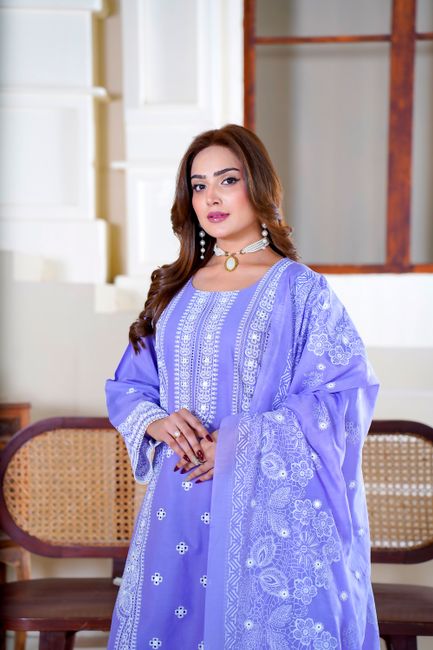
Accessorizing can significantly elevate your spring outfit. Consider pairing your dress with:
- Lightweight Scarves: Add a pop of color or pattern to your ensemble.
- Trendy Handbags: Opt for pastel shades or floral prints to complement your dress.
- Stylish Footwear: Strappy sandals or ballet flats can complete your look while keeping it comfortable.
Layering for Unpredictable Weather
Spring weather can be unpredictable. Layering is essential to adapt to fluctuating temperatures. A light denim jacket or a long cardigan can be a stylish choice to keep you warm during cooler evenings.
Summer Dress Styling Essentials
Embrace Bright Colors and Prints
Summer in Pakistan can be scorching, making it essential to stay cool and stylish. Choose dresses in bright colors and playful prints that reflect the season’s energy. Maxi dresses, sundresses, and A-line styles are ideal choices for comfort.
Lightweight Footwear Options
Comfortable footwear is crucial during the hot summer months. Consider:
- Flip-Flops: Ideal for casual outings.
- Wedges: Provide elevation without sacrificing comfort.
Sun Protection Styles
Don’t forget to protect yourself from the sun’s harsh rays. Dresses with longer sleeves or those made with UV-protective fabrics can help keep your skin safe while remaining fashionable.
Autumn Fashion Strategies
Transitioning Your Wardrobe
As the weather cools, it’s time to transition your wardrobe. Earthy tones like browns, burnt oranges, and deep reds are perfect for autumn. Consider layering your dresses with:
- Cardigans: Perfect for adding warmth and style.
- Boots: Ankle boots or knee-highs can enhance your overall look.
Accessorizing for Fall
In autumn, accessories play a vital role. Incorporate:
- Hats: Fedoras or beanies can add personality to your outfit.
- Statement Jewelry: Bold earrings or layered necklaces can draw attention without overwhelming your look.
Winter Dress Styling Techniques
Choosing Warmer Fabrics
Winter requires a different approach to dressing. Opt for heavier fabrics like wool, velvet, and thicker knits. Long-sleeved dresses or those with turtlenecks can keep you warm and stylish.
Layering for Extra Warmth
Layering is essential in winter. Consider wearing:
- Tights: These can be paired with dresses for added warmth.
- Thermal Underlayers: Ideal for colder days, ensuring you stay cozy.
Winter Accessories to Consider
Accessorizing in winter can add flair while keeping you warm. Consider:
- Chunky Scarves: Perfect for wrapping up and adding texture.
- Stylish Coats: A well-fitted coat can enhance any winter dress.
Essential Handbag Pairings
The right handbag can transform your dress from ordinary to extraordinary. Here are some tips on choosing the perfect handbag:
Spring and Summer Handbag Choices
During warmer months, opt for:
- Crossbody Bags: These are practical for day outings.
- Clutches: Perfect for evening events, adding a touch of elegance.
Autumn and Winter Handbag Styles
In the cooler months, consider:
- Tote Bags: Ideal for carrying essentials while maintaining style.
- Structured Bags: These can add sophistication to your winter outfits.
Styling Tips for Different Occasions
Casual Outings
For casual outings, opt for dresses that are comfortable yet chic. Pair them with sneakers or flats for a laid-back look.
Formal Events
For formal events, choose elegant dresses made from luxurious fabrics. Heels and statement jewelry can enhance your look.
Work Wear
In a professional setting, opt for midi-length dresses that are both stylish and appropriate. Pair with blazers for a polished appearance.
Comparative Analysis of Dress Styles
| Dress Style | Best Season | Ideal Footwear | Occasion |
|---|---|---|---|
| Maxi Dress | Summer | Sandals | Casual |
| Long Sleeve Dress | Winter | Boots | Formal |
| A-Line Dress | Spring | Flats | Work |
| Sundress | Summer | Wedges | Casual |
Frequently Asked Questions
What types of dresses are best for summer in Pakistan?
Lightweight fabrics like cotton or chiffon in bright colors and prints are ideal for summer.
How can I layer dresses for winter styling?
Layering can be achieved by adding thermal tights, long cardigans, and stylish coats.
What accessories should I pair with a casual dress?
Consider crossbody bags, sneakers, and minimal jewelry for a laid-back look.
How do I choose a dress for a formal occasion?
Opt for elegant fabrics like velvet or silk and pair with heels and statement accessories.
Are there specific dress styles for work?
Midi-length dresses in solid colors or subtle patterns paired with blazers are professional yet stylish.
Where can I buy ladies dresses online in Pakistan?
Visit ZarooriSaman.com for a wide selection of fashionable dresses suitable for every occasion.
What are the latest trends in ladies’ dresses?
The world of fashion is ever-evolving, and staying updated with the latest trends can help you refresh your wardrobe. Here are some of the latest trends in ladies’ dresses that you might consider incorporating into your style.
Bold Prints and Patterns
This season, bold prints are making a significant comeback. Think oversized florals, geometric shapes, and vibrant color combinations. These eye-catching designs can make a simple silhouette stand out.
Tiered and Ruffled Dresses
Tiered and ruffled dresses add a playful touch to your outfit. The layered effect provides movement and volume, making them perfect for both casual outings and more formal events.
Statement Sleeves
From puffed to bell-shaped, statement sleeves are a major trend. They add drama and uniqueness to any dress and can elevate even the simplest of outfits.
Midi and Maxi Lengths
While mini dresses have their place, midi and maxi lengths are dominating the current fashion scene. These styles are versatile and can be dressed up or down, making them a great choice for any occasion.
How to style a dress for different seasons?
Adapting your dress style according to the seasons can keep your look fresh and appropriate. Here are some tips on how to style a dress for each season.
Spring Styling Tips
- Layering: Use light cardigans or denim jackets to add warmth during cooler spring days.
- Footwear: Pair your dresses with ankle boots or trendy sneakers for a fresh look.
- Accessories: Incorporate floral scarves or pastel-colored bags to embrace the spring vibe.
Summer Styling Tips
- Fabric Choices: Opt for breathable fabrics like cotton and linen to stay cool.
- Footwear: Sandals, espadrilles, or wedges can complement your summer dresses perfectly.
- Accessories: Don’t forget a wide-brimmed hat and sunglasses for sun protection and style.
Autumn Styling Tips
- Layering: Add a cozy knit sweater or a leather jacket over your dress for warmth.
- Footwear: Knee-high boots or ankle boots work well with autumn dresses.
- Accessories: Earthy-toned scarves and hats can add an extra layer of warmth and style.
Winter Styling Tips
- Fabric Choices: Choose thicker materials like wool or velvet for added warmth.
- Layering: Pair dresses with thermal tights and long coats for a chic winter look.
- Accessories: Opt for gloves and beanies to keep yourself warm yet stylish.
What types of dresses are best for different body shapes?
Finding the right dress for your body shape can enhance your features and boost your confidence. Here’s a guide to help you choose the best dress styles based on your body shape.
Hourglass Shape
If you have an hourglass figure, consider dresses that accentuate your waist. Wrap dresses, fitted styles, and A-line dresses are excellent choices that will highlight your curves while maintaining balance.
Pear Shape
For a pear-shaped body, dresses that draw attention to the upper body are ideal. Look for off-the-shoulder styles, embellished necklines, and A-line skirts that skim over the hips, creating a flattering silhouette.
Apple Shape
Apple-shaped figures can benefit from dresses that create a defined waistline. Empire waist dresses and styles with ruching can help accentuate the bust while providing a flowy fit around the midsection.
Rectangle Shape
If you have a rectangle body shape, adding curves can be your focus. Opt for dresses with ruffles, layers, or belts to define your waist. Fit-and-flare dresses can also create an illusion of curves.
How to accessorize your dress for various occasions?
Accessorizing your dress appropriately can transform your look from casual to polished, making it suitable for different occasions. Here are some tips on how to accessorize for various events.
Casual Outings
- Bags: Crossbody bags or totes are practical and stylish.
- Shoes: Comfortable sneakers or flat sandals keep your look laid-back.
- Jewelry: Minimalist jewelry like stud earrings or simple bracelets add a subtle flair.
Office Wear
- Bags: A structured handbag or briefcase can add professionalism.
- Shoes: Closed-toe pumps or loafers complement your work attire.
- Jewelry: Opt for classic pieces like a wristwatch or a delicate necklace.
Evening Events
- Bags: Choose a clutch or a small crossbody that adds a touch of elegance.
- Shoes: Strappy heels or stilettos can elevate your evening look.
- Jewelry: Statement earrings or layered necklaces can add glamour to your outfit.
Weddings and Formal Gatherings
- Bags: A chic purse that matches the dress can tie your look together.
- Shoes: Opt for elegant heels that complement the formality of the event.
- Jewelry: Choose pieces that enhance your features without overpowering your outfit.

What to look for when shopping for dresses online?
Shopping for dresses online can be convenient, but it’s essential to know what to look for to ensure a successful purchase. Here are some tips to keep in mind.
Fabric Quality
Pay attention to the fabric composition mentioned in the product description. High-quality fabrics not only feel better against the skin but also tend to last longer. Look for natural fibers like cotton, silk, or linen for comfort and durability.
Size and Fit
Always refer to the sizing chart provided by the retailer. Since sizing can vary between brands, measuring yourself and comparing it to the chart can help you find the right fit. Consider reading customer reviews for insights on how the dress fits others.
Return Policy
Before finalizing your purchase, check the return policy. A good return policy allows you to return or exchange the dress if it doesn’t meet your expectations. This is especially important when shopping for dresses online, as you can’t try them on beforehand.
Customer Reviews
Reading customer reviews can provide valuable information about the dress’s quality, fit, and overall satisfaction. Look for feedback on fabric quality, sizing, and whether the dress matches its online depiction.
How to care for your dresses to prolong their life?
Proper care of your dresses can significantly extend their lifespan. Here are some tips to help you maintain your wardrobe.
Washing Instructions
Always check the care label for washing instructions. Some dresses may need to be hand washed or dry cleaned to maintain their quality. For machine-washable dresses, consider using a gentle cycle and cold water to prevent fading and damage.
Storing Your Dresses
When storing your dresses, opt for padded hangers to maintain their shape. If the dress is made of delicate fabric, consider using garment bags to protect it from dust and light exposure. Avoid overcrowding your closet to prevent wrinkling.
Dealing with Stains
Act quickly if you spill something on your dress. Blot the stain gently with a clean cloth and use appropriate stain removers as per the fabric type. Always test any product on a small, inconspicuous area first.
Ironing and Steaming
Use a low heat setting on your iron for synthetic fabrics and always check the care label. For delicate fabrics, consider using a steamer to remove wrinkles without direct contact, which can protect the fabric.
Choosing the Right Accessories
Accessories can elevate your dress’s appearance and reflect your personal style. Choosing the right pieces can enhance your overall look while ensuring that your dress remains the focal point.
Jewelry
- Statement Pieces: Bold necklaces or oversized earrings can add drama but should be balanced with simpler dress styles.
- Delicate Options: For more intricate dresses, opt for subtle jewelry that complements rather than competes.
Bags and Shoes
Selecting the right bag and shoes is crucial for completing your outfit. Consider the following:
- Color Coordination: Choose accessories that either match or complement the color of your dress.
- Style Matching: Ensure that the style of your shoes and bag matches the occasion; for instance, formal dresses pair well with stilettos and clutches, while casual dresses can be paired with flats and totes.
Seasonal Dress Care
Different seasons can impact how you care for and style your dresses. Adjusting your approach based on the season can help preserve the fabric and fit.
Spring and Summer
During warmer months, consider the following tips:
- Fabric Choices: Opt for lighter fabrics like cotton or linen that breathe well and keep you cool.
- Sun Protection: If you’re wearing your dress outdoors, consider using UV protection sprays to guard against sun damage.
Fall and Winter
In cooler months, layering and fabric care become more important:

- Layering: Use cardigans or light jackets to add warmth without sacrificing style.
- Washing Considerations: Pay attention to washing instructions, as some fabrics may require special care in colder months to maintain their appearance.
Repairing Minor Damage
Even with the best care, dresses can suffer minor damages over time. Here are some simple repairs you can do at home:
Loose Threads and Seams
Addressing loose threads or seams quickly can prevent further damage:
- Threading: Use a needle and matching thread to sew up any loose seams carefully.
- Snags: For snags, gently pull the fabric back through to the front side and secure with a few stitches if necessary.
Hem Repairs
If a hem comes undone, consider the following options:
- Hand Stitching: For small repairs, hand stitching can be an effective way to secure the hem back in place.
- Iron-On Hem Tape: For quick fixes, iron-on hem tape can provide a temporary solution until you can sew it properly.
When to Seek Professional Help
While some repairs can be handled at home, certain issues may require professional assistance:
Alterations
If your dress doesn’t fit quite right, consider taking it to a tailor for alterations:
- Size Adjustments: A professional can take in or let out seams to achieve the perfect fit.
- Length Adjustments: Tailors can expertly adjust the length of your dress for optimal styling.
Complex Repairs
For damages that are beyond basic repairs—such as large tears, intricate beadwork, or fabric replacement—it’s best to consult a professional:
- Specialty Services: Seek out a tailor who specializes in dress repair to ensure the best results.
Conclusion
Caring for your dresses properly ensures they last longer and remain a staple in your wardrobe. By following these guidelines on washing, storing, accessorizing, and repairing, you’ll keep your favorite pieces looking their best for years to come.
FAQ
How often should I wash my dresses?
It depends on how often you wear them. Generally, if a dress is worn for an extended period or if it gets stained, it should be washed. For lightly worn dresses, consider airing them out instead of washing after each use.
Can I use a regular iron on all fabrics?
No, different fabrics require different heat settings. Always check the care label and use an appropriate heat setting for the specific fabric type.
What should I do if a stain doesn’t come out?
If a stain persists after treatment, consult a professional cleaner who specializes in fabrics similar to yours. They may have specialized tools and solutions to effectively remove tough stains.
