
Healthy Foods
How to Spot High-Quality Dry Fruits: A Guide for Pakistani Shoppers
Aug
Key Indicators of High-Quality Dry Fruits
When shopping for dry fruits, particularly online, it can be challenging to distinguish between high-quality options and subpar products. Understanding the key indicators of quality can significantly enhance your shopping experience and ensure that you make the best choices for your health and taste preferences. Here are the three primary indicators to look for when evaluating dry fruits: color, texture, and smell.
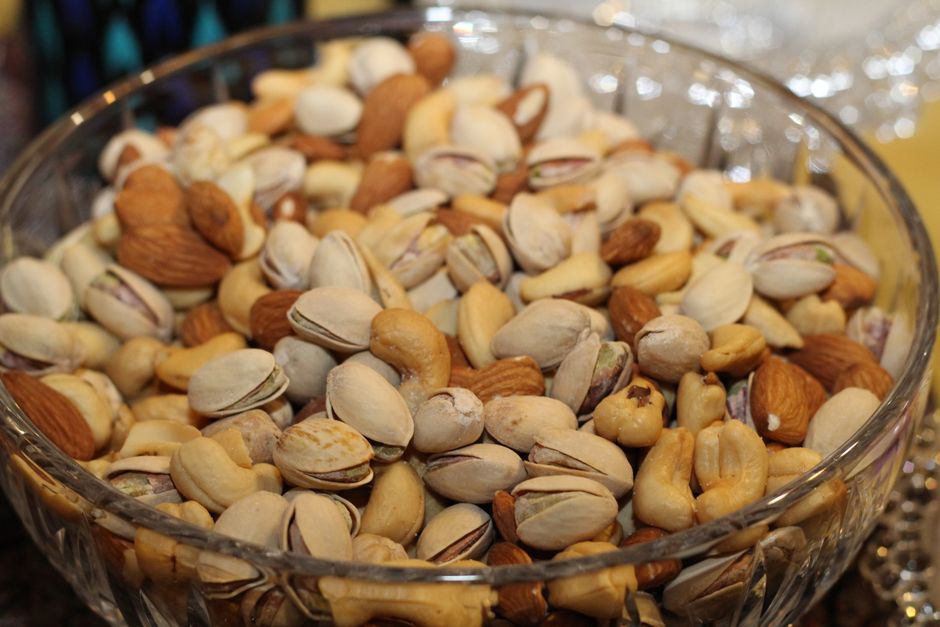
- Color: The color of dry fruits can indicate their quality and freshness. High-quality dry fruits should have a vibrant, natural color. For instance, almonds should be a light brown, while dried apricots should display a rich golden hue. Avoid products that appear excessively dark or have an unnatural sheen, as these may be signs of over-processing or the addition of artificial colors.
- Texture: The texture of dry fruits is another critical indicator of quality. Good quality dry fruits should be plump and moist, not overly dry or shriveled. For example, raisins should feel firm and slightly sticky, whereas dried figs should be soft but not mushy. A leathery or hard texture could indicate that the fruit is old or improperly stored.
- Smell: The aroma of dry fruits can provide clues about their freshness. High-quality dry fruits should have a pleasant, natural smell that reflects their origin. For instance, dried dates should smell sweet and fruity, while nuts should have a nutty, fresh aroma. Be cautious of any off-putting or rancid smells, as these could indicate spoilage.
Common Pitfalls in Dry Fruit Selection
Even with the right knowledge, shoppers can fall prey to several common pitfalls when selecting dry fruits. Here are some mistakes to watch out for:
- Overlooking Packaging: The packaging of dry fruits can reveal a lot about their quality. Look for products that are sealed in airtight containers to preserve freshness. Packaging that is damaged or shows signs of wear can impact the quality of the dry fruits inside. Additionally, ensure that the packaging includes clear labeling of ingredients, nutritional information, and expiry dates.
- Not Checking for Additives: Some dry fruits are processed with additives such as preservatives, sulfur dioxide, or added sugars to enhance flavor and shelf life. While these may improve appearance or taste, they can also detract from the nutritional value. Opt for organic dry fruits when possible and always read ingredient lists to avoid unwanted additives.
- Ignoring Storage Conditions: Proper storage is crucial in maintaining the quality of dry fruits. If you are buying from a local store, check how the fruits are stored. They should be kept in cool, dry places away from direct sunlight. When purchasing online, consider how the seller manages their inventory and shipping practices.
Avoiding these common mistakes will help you make more informed choices and ensure that you bring home only high-quality dry fruits.

How to Verify Product Authenticity When Shopping Online
With the rise of online shopping in Pakistan, verifying the authenticity of dry fruits can be daunting. Here are practical steps to help ensure the dry fruits you purchase online are genuine:
- Checking Seller Reviews: Always look at customer reviews and ratings for the seller. Feedback from previous buyers can provide insights into the quality and authenticity of the products offered. Look for patterns in reviews, noting any recurring issues related to product quality or customer service.
- Looking for Certifications: Reputable sellers often provide certifications for their products, such as organic certifications or quality assurance seals. These certifications can serve as a trustworthy indicator of product quality. If a seller does not provide this information, it may be a red flag.
- Return Policies: A good return policy can indicate that a seller is confident in their products. Check if the seller allows returns and under what conditions. This policy can provide peace of mind when purchasing dry fruits online, knowing that you have recourse if the product does not meet your expectations.
By following these steps, you can enhance your confidence in purchasing high-quality dry fruits online, ensuring that you get the best products delivered to your doorstep.
Comparison of Popular Dry Fruits Available in Pakistan
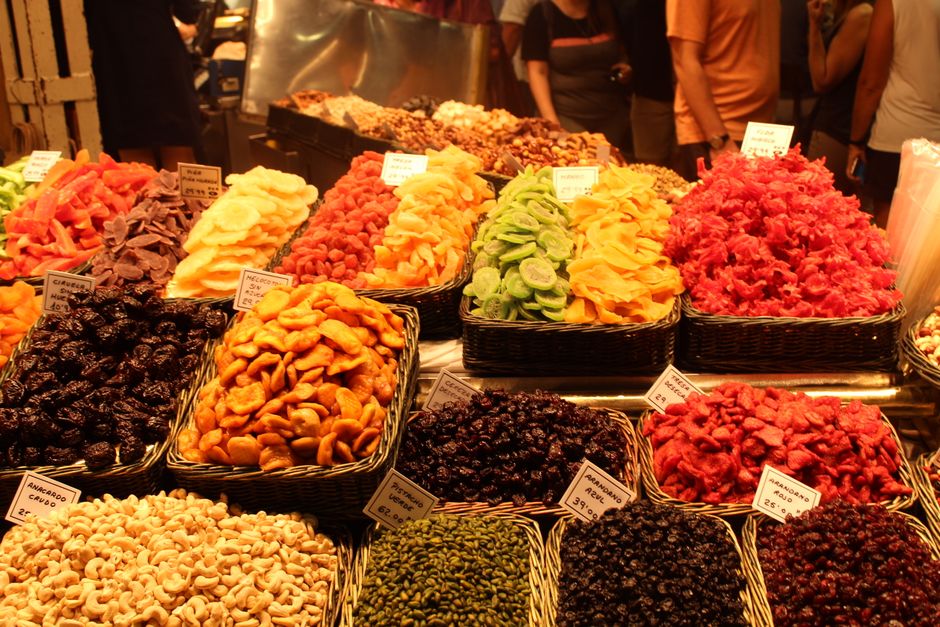
When it comes to dry fruits, Pakistan boasts a rich variety that caters to different tastes and nutritional needs. Here, we will explore some of the most popular dry fruits available in the country, highlighting their unique qualities, health benefits, and tips for selecting the best options.
1. Almonds
Almonds are a favorite among health-conscious consumers due to their high nutritional value. They are a rich source of Vitamin E, magnesium, and healthy fats.
- Health Benefits: Almonds are known to support heart health, aid in weight management, and improve skin health.
- Selection Tips: Look for firm, intact almonds with a light brown hue. Avoid those with dark spots or a bitter smell.
2. Cashews
Cashews are another popular choice, loved for their creamy texture and slightly sweet flavor. They are packed with essential minerals like copper and zinc.
- Health Benefits: Cashews can boost immunity, promote bone health, and provide energy.
- Selection Tips: Choose cashews that are plump and have a uniform color. Avoid any that appear shriveled or have an off-putting odor.
3. Walnuts
Walnuts are often praised for their brain-boosting properties due to their high levels of omega-3 fatty acids.
- Health Benefits: Regular consumption of walnuts can help improve cognitive function and reduce inflammation.
- Selection Tips: Opt for walnuts that are light in color and have a fresh, nutty smell. Steer clear of those with a rancid odor.
4. Dried Apricots
Dried apricots are not only delicious but also rich in vitamins A and C, along with dietary fiber.
- Health Benefits: They support eye health, boost immunity, and aid digestion.
- Selection Tips: Choose bright orange dried apricots that are soft but not overly sticky. Avoid those that appear dull or have a hard texture.
5. Raisins
Raisins are a versatile dry fruit, often enjoyed as a snack or added to various dishes. They are high in antioxidants and natural sugars.
- Health Benefits: Raisins can help improve digestion, boost energy levels, and provide essential nutrients.
- Selection Tips: Look for plump, shiny raisins with a sweet aroma. Avoid those that are overly dry or have a fermented smell.
6. Dates
Dates are a staple in many households, especially during Ramadan. They are rich in fiber and natural sugars, making them an ideal energy booster.
- Health Benefits: Dates can aid in digestion, provide quick energy, and are high in iron.
- Selection Tips: Choose dates that are soft and moist. Those with a glossy surface indicate freshness, while any that are too dry or hard may be stale.
7. Figs
Figs are not only delicious but also packed with dietary fiber, vitamins, and minerals.
- Health Benefits: Figs can aid in digestion, support heart health, and provide antioxidants.
- Selection Tips: Opt for figs that are plump and have a rich color. Avoid those that are overly hard or have a sour smell.
Each of these dry fruits offers unique flavors and health benefits, making them excellent choices for snacking or adding to meals. When shopping, consider the quality indicators mentioned earlier to ensure you choose the best product available.
Storage Tips for Maintaining Dry Fruit Quality
Proper storage of dry fruits is essential to preserve their flavor, texture, and nutritional value. Here are some effective tips to keep your dry fruits fresh for an extended period:
1. Choose the Right Containers
Store dry fruits in airtight containers to prevent moisture from entering. Glass jars or vacuum-sealed bags work best for this purpose.
2. Keep Them in a Cool, Dark Place
Heat and light can degrade the quality of dry fruits. Store them in a cool, dark cupboard or pantry to maintain their freshness. Avoid areas near the stove or direct sunlight.
3. Refrigeration for Extended Shelf Life
If you live in a humid climate, consider storing dry fruits in the refrigerator. This can help prolong their shelf life by minimizing the risk of mold and spoilage.
4. Check for Signs of Spoilage
Regularly inspect your dry fruits for any signs of spoilage, such as off smells, discoloration, or an unusual texture. Discard any that show these signs to prevent consuming spoiled products.
5. Keep Different Varieties Separate
To maintain the distinct flavors and aromas, store different types of dry fruits separately. This prevents cross-contamination of flavors, which could affect the overall taste.
6. Use Within a Reasonable Timeframe
For the best quality, consume dry fruits within a few months after purchase. While they can last longer if stored correctly, their flavor and texture may degrade over time.
By following these storage tips, you can ensure that your dry fruits remain fresh and enjoyable for longer, allowing you to make the most of their health benefits.
Price vs. Quality Considerations in Dry Fruits
When shopping for dry fruits, understanding the balance between price and quality is crucial. Here are some factors to consider that can help you make informed purchasing decisions:
1. Quality Indicators vs. Price
While it might be tempting to choose the cheapest option available, remember that quality indicators such as color, texture, and smell can often correlate with price. Higher-quality dry fruits may cost more, but they typically offer better flavor and nutrition.
2. Seasonal Variability
Prices can fluctuate based on the season and availability of specific dry fruits. For example, during the harvest season, prices for local varieties may drop, making it an ideal time to purchase. Conversely, out-of-season dry fruits, especially imported ones, may be pricier.
3. Bulk Buying vs. Retail
Consider purchasing dry fruits in bulk from wholesalers or local markets like Metro or Naheed. Bulk buying often results in lower prices per unit, which can be more economical for families looking to stock up.

4. Brand Reputation
Sometimes, it is worth investing in well-known brands that prioritize quality sourcing and packaging. A reputable brand may charge more, but their commitment to quality often results in better products.
5. Promotional Offers
Keep an eye out for promotional offers on e-commerce platforms like Daraz or Al-Fatah. These promotions can provide excellent opportunities to purchase high-quality dry fruits at discounted rates.
By considering these price vs. quality factors, you can make well-informed decisions that align your budget with your desire for high-quality dry fruits.
How to Buy High-Quality Dry Fruits: A Step-by-Step Process
To ensure you make the best purchase when buying dry fruits, follow this step-by-step process:
1. Research the Varieties
Before making a purchase, familiarize yourself with popular dry fruit varieties and their health benefits. This knowledge will help you choose the right options for your family’s needs.
2. Set a Budget
Determine a budget for your dry fruit purchases. This will help you filter options and avoid overspending while still focusing on quality.
3. Choose a Trusted Retailer
Opt for well-reviewed online retailers or local stores that have a reputation for selling quality dry fruits. Check customer reviews and ratings to gauge their reliability.
4. Examine Product Descriptions
When shopping online, read product descriptions carefully. Look for details on sourcing, packaging, and any certifications that indicate quality.
5. Check for Return Policies
Ensure the retailer has a clear return policy. This can provide peace of mind, knowing you can return products that do not meet your expectations.
6. Review Shipping Options
Consider the shipping options available. Fast and reliable delivery is crucial for maintaining the freshness of dry fruits, so choose a seller that offers dependable shipping methods.
7. Make the Purchase
Once you have completed your research and are satisfied with your choices, proceed to make your purchase. Ensure that all details are correct before finalizing your order.
8. Store Properly Upon Arrival
Once your dry fruits arrive, store them according to the tips provided earlier to maintain their quality and freshness.
By following these steps, you can confidently purchase high-quality dry fruits that meet your family’s health and taste preferences, making your online shopping experience enjoyable and rewarding.
Understanding Packaging and Labels
When purchasing dry fruits, especially online, the packaging can tell you a lot about the product’s quality. Look for well-sealed, airtight packaging that protects the contents from moisture and light, which can degrade the fruit over time. Check the labels for information such as:
- Expiration Date: Ensure the dry fruits have a long shelf life ahead.
- Nutritional Information: This can provide insights into the quality and any additives used.
- Origin: Knowing where the dry fruits are sourced from can help assess quality; local fruits may have better freshness than imported ones.
Assessing Price vs. Quality
While it can be tempting to opt for the cheapest option available, it’s important to balance price with quality. High-quality dry fruits often come with a higher price tag due to better sourcing, processing, and packaging. Consider the following:

- Bulk Buying: If you find a trusted seller, buying in bulk may offer savings and ensure you have a supply on hand.
- Seasonal Discounts: Look for sales during harvest seasons or festivals when dry fruits are more abundant and prices may drop.
- Comparative Shopping: Use platforms like Daraz or Metro to compare prices and quality ratings of different sellers.
Making Informed Decisions
As you go through the buying process, it’s essential to keep a few decision-making tips in mind to ensure you make informed purchases:
- Use Reviews: Customer reviews can provide insights into others’ experiences with the product, revealing potential issues or confirming quality.
- Check Return Policies: A reputable seller should have a clear return policy in case the product does not meet your expectations.
- Sample Sizes: If available, consider purchasing smaller quantities first to test quality before committing to larger purchases.
Building Relationships with Sellers
Establishing a rapport with your preferred sellers can lead to better deals and quality assurance. Here’s how to cultivate these relationships:
- Follow Up: After making a purchase, don’t hesitate to reach out with feedback or questions, which can foster trust.
- Loyalty Programs: Some sellers offer loyalty programs or discounts for repeat customers, which can save you money in the long run.
- Social Media Engagement: Follow your favorite brands on social media to stay informed about new products, promotions, and tips for using dry fruits.
Finalizing Your Online Purchase
Once you have gathered all the necessary information and made your comparisons, it’s time to finalize your purchase. Before you click ‘buy,’ here are a few last-minute checks:
- Verify Shipping Costs: Ensure that shipping fees are reasonable and check if the seller offers free shipping on larger orders.
- Payment Security: Use secure payment methods to protect your financial information, especially when shopping online.
- Confirm Delivery Times: Make sure the estimated delivery times fit your needs, especially if you need the fruits for a specific occasion.
Check for Customer Reviews
Before making a purchase, take the time to read customer reviews. Genuine feedback from previous buyers can provide insights into the quality and taste of the dry fruits. Look for reviews that mention specifics, such as flavor, freshness, and texture. Trustworthy online platforms like Daraz and Metro often have sections dedicated to customer reviews, making it easier for you to gauge the product’s quality.
Compare Different Brands
When shopping for dry fruits, you may come across multiple brands offering similar products. Take advantage of this by comparing brands on parameters like packaging, price, and quality indicators. Some brands may be known for their superior quality due to better sourcing and processing methods. Don’t hesitate to explore local and well-known brands to find the best option for your needs.
Look for Packaging Information
The packaging of dry fruits can tell you a lot about their quality. Opt for products that come in sealed, opaque packaging to ensure they are protected from light and moisture. Additionally, check for a clear expiration date to avoid buying stale products. Brands that provide detailed information about their sourcing and processing methods are often more trustworthy.
Consider Seasonal Availability
In Pakistan, certain dry fruits are seasonal, which can affect their freshness and price. For instance, walnuts and almonds are typically harvested between September and November. Buying dry fruits during their peak season can not only guarantee better quality but can also lead to more competitive pricing. Make a note of the seasonal calendar for dry fruits to plan your purchases accordingly.
Evaluate the Price
While it’s tempting to go for the cheapest option, remember that price often reflects quality. High-quality dry fruits may come at a premium, but they are worth the investment for their health benefits and superior taste. Compare prices across different online platforms like Imtiaz or Al-Fatah, but also weigh them against the quality indicators discussed earlier.
Trial with Smaller Quantities
If you’re uncertain about a particular brand or type of dry fruit, consider ordering smaller quantities first. This allows you to test the quality without committing to a larger purchase. Once you’ve found a brand you trust, you can buy in bulk to save on costs in the future.
Conclusion
Buying high-quality dry fruits requires a blend of careful observation, research, and a little bit of patience. By understanding key indicators of quality, avoiding common pitfalls, and leveraging online resources effectively, you can make informed decisions that benefit your health and palate. Remember to compare products, check reviews, and consider seasonal factors to get the best value for your money. With these tips in mind, you’ll be well on your way to enjoying the delicious and nutritious benefits of dry fruits.
FAQ
1. How can I tell if dry fruits are fresh?
Check for vibrant color, a pleasant smell, and a firm texture. Avoid any fruits that appear dull or have a rancid odor.
2. What are the health benefits of consuming dry fruits?
Dry fruits are rich in vitamins, minerals, and antioxidants. They can improve heart health, support weight management, and provide a quick source of energy.
3. Are imported dry fruits better than local ones?
Not necessarily. While some imported fruits may have unique varieties, many local brands offer high-quality products. Always check for quality indicators regardless of the origin.
4. How should I store dry fruits to maintain their freshness?
Store dry fruits in an airtight container in a cool, dry place away from direct sunlight. Refrigeration can also extend their shelf life.
5. What should I look for in the packaging of dry fruits?
Look for sealed, opaque packaging with clear labeling of the contents, expiration date, and any certifications that indicate quality.
6. Is there a specific time of year when dry fruits are cheaper?
Prices can fluctuate based on seasonal availability, so purchasing during peak harvest times can often yield better prices and fresher products.
