
Finance
How to Properly Store and Preserve Dry Fruits for Maximum Freshness
Aug
Why Proper Storage is Crucial for Dry Fruits
Dry fruits are not only delicious but also packed with nutrients, making them a popular choice for healthy snacking. However, their quality can diminish rapidly if not stored properly. Proper storage is crucial to maintain the freshness of dry fruits and to prevent waste. When dry fruits are exposed to air, moisture, or light, they can spoil quickly, leading to a loss of flavor and nutritional value.
Storing dry fruits correctly can extend their shelf life significantly. For instance, nuts like almonds and cashews can become rancid due to the natural oils they contain. Similarly, dried fruits such as apricots and raisins can develop mold if moisture penetrates their packaging. By understanding the importance of proper storage, you can enjoy these healthy snacks for longer, ensuring you get the maximum benefits from their nutritional profile.

Moreover, proper storage methods can help you avoid unnecessary expenses. When dry fruits spoil, it leads to wasted purchases and can deter you from buying them in the future. By implementing effective storage techniques, you not only save money but also contribute to a healthier lifestyle by keeping nutritious options readily available.
Effective Storage Methods for Dry Fruits
To ensure your dry fruits remain fresh and tasty, there are various effective storage methods to consider. Each method has its advantages, and understanding them can help you choose the best option for your needs.
Airtight Containers
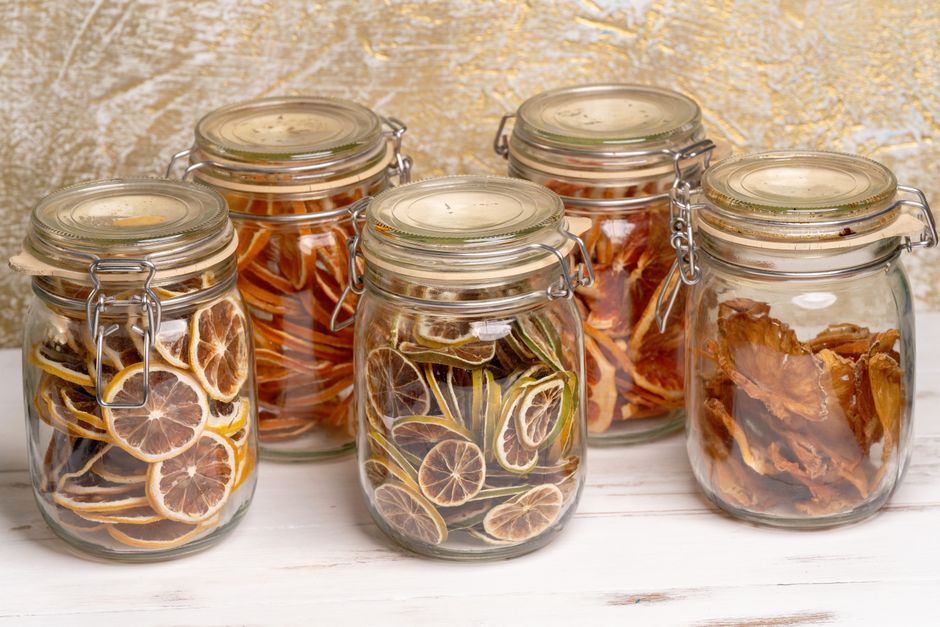
One of the simplest and most effective ways to store dry fruits is by using airtight containers. These containers prevent air from entering and moisture from escaping, which helps maintain the quality of the dry fruits. When selecting an airtight container, opt for glass or BPA-free plastic options that do not leach chemicals into the food. Store the container in a cool, dark place to further enhance the longevity of the dry fruits.
Refrigeration
For some varieties of dry fruits, refrigeration can be an excellent option. Nuts, in particular, benefit from being stored in the refrigerator, as this slows down the oxidation process that can lead to rancidity. If you choose to refrigerate your dry fruits, make sure they are sealed in an airtight container to prevent them from absorbing odors from other foods. However, be cautious with dried fruits like figs or dates, as refrigeration can alter their texture and make them too firm.
Vacuum Sealing
Vacuum sealing is another effective method that can significantly prolong the freshness of dry fruits. By removing air from the packaging, vacuum sealing minimizes the chances of spoilage. This method is especially useful for bulk purchases, as it keeps your dry fruits safe from moisture, light, and air. Vacuum-sealed bags can be stored in the pantry or freezer, providing flexibility depending on your available space and usage frequency.
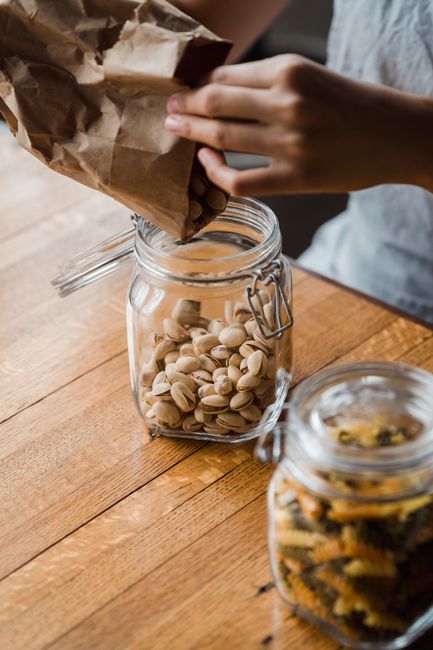
When comparing these storage methods, consider the type of dry fruits you have and how often you consume them. Airtight containers are ideal for everyday use, while vacuum sealing is perfect for larger quantities that you may not finish quickly. Refrigeration works well for products that are prone to rancidity but should be approached with care depending on the type of dry fruit.
Checklist for Storing Dry Fruits
- Choose an appropriate storage container (airtight or vacuum-sealed).
- Keep stored dry fruits in a cool, dark place.
- Label containers with dates to track freshness.
- Check moisture content before sealing, especially for dried fruits.

Environmental Factors Affecting Dry Fruit Freshness
Understanding the environmental factors that affect the freshness of dry fruits can help you make more informed decisions about storage and usage. A few key factors include temperature, humidity, light exposure, and air quality.
Temperature
Temperature plays a crucial role in the preservation of dry fruits. Ideally, dry fruits should be stored at room temperature, away from heat sources. Excessive heat can lead to rancidity in fatty dry fruits like nuts, while cooler temperatures can help extend their shelf life. If possible, consider storing sensitive varieties in the refrigerator, particularly during the hot summer months in Pakistan.
Humidity
Humidity can significantly impact the quality of dry fruits. High humidity levels can introduce moisture into storage containers, leading to mold and spoilage. Conversely, extremely low humidity can dry out fruits further, affecting their texture and flavor. Aim for a balanced environment, such as a dry pantry, and avoid storing fruits in areas like kitchens or utility rooms where humidity levels can fluctuate.

Light Exposure
Light exposure can degrade dry fruits just as it does with many other food items. Ultraviolet (UV) light can break down nutrients and lead to flavor loss. Therefore, it is best to use opaque or dark-colored containers that block out light. If using clear containers, ensure they are stored in a dark cupboard or pantry.
Air Quality
Air quality also matters when it comes to storing dry fruits. Storing them in an environment with strong odors can lead to flavor transfer. For example, placing dry fruits near spices or cleaning supplies may result in unwanted tastes. Choose a storage area that is free from strong smells and potential contaminants.
Identifying Signs of Spoilage in Dry Fruits
Being able to identify spoilage in dry fruits is essential for maintaining health and safety. Here are some signs to look out for to ensure that the dry fruits you consume are fresh and safe.
1. Unpleasant Odor
A strong, off-putting odor is often a clear indication that dry fruits have gone bad. Fresh dry fruits should have a pleasant, sweet smell. If you detect any unusual or rancid odors, it’s time to discard them.
2. Mold Growth
Mold is a significant concern for dry fruits, especially those that have been stored improperly. If you see any signs of mold, green or white fuzzy spots, on the surface, they should be thrown away immediately. Mold can pose serious health risks.
3. Changes in Texture
Fresh dry fruits should be firm yet slightly chewy. If you notice that the texture has become excessively hard, brittle, or overly soft and mushy, it may indicate spoilage. Trust your senses and avoid consuming fruits that have an unusual texture.
4. Off-Flavors
If dry fruits taste different than expected, with a bitter or sour flavor, it may be a sign that they are no longer fresh. Always do a taste test before incorporating them into your meals or snacks to avoid unpleasant surprises.
5. Discoloration
Changes in color can also signal spoilage. While some dry fruits may darken slightly over time, any drastic changes in color should be treated with caution. For example, dried apricots should maintain their bright orange hue; if they appear brown and dull, they may be past their prime.
6. Floating or Sinking
For certain types of dry fruits, such as raisins, you can perform a simple water test. If they float, they may have absorbed too much moisture and could be spoiled. Fresh raisins should sink to the bottom.
How to Choose Quality Dry Fruits When Shopping Online
When purchasing dry fruits online, ensuring quality can be challenging. However, there are several tips and guidelines you can follow to help you select the best products.
1. Research Reputable Retailers
Start by researching and purchasing from reputable online retailers. Websites like Daraz, Metro, and Imtiaz often have customer reviews and ratings that can help you gauge the quality of their products. Look for sellers who specialize in dry fruits or have a good track record in selling food items.
2. Read Customer Reviews
Customer reviews can provide valuable insights into the quality and freshness of the dry fruits you are considering. Pay attention to comments regarding flavor, texture, and packaging. Consistent positive feedback is a good indicator of a reliable product.
3. Check Packaging Information
When shopping online, always check the packaging information provided. Good quality dry fruits should be vacuum-sealed or packed in airtight containers. Look for products with clear labeling that includes expiration dates, nutritional information, and storage guidelines.
4. Look for Certifications
Certifications such as organic or non-GMO can further assure you of the quality of the dry fruits. While these certifications do not guarantee freshness, they often correlate with higher standards in cultivation and handling.
5. Compare Prices
While price should not be the only factor in your decision, comparing prices across different retailers can help you identify any deals or offers. Be cautious of prices that seem too good to be true, as they may indicate lower quality or stale products.
6. Consider Bulk Purchases
If you consume dry fruits regularly, consider buying in bulk. This can often lead to cost savings. Just make sure you have proper storage methods in place to maintain freshness. Bulk purchases should also come from trusted suppliers to ensure quality.
7. Use Trusted Delivery Services
Lastly, opt for retailers that offer reliable delivery services. Timely delivery can help minimize the risk of spoilage, especially during the summer months when temperatures are high. Check for delivery guarantees and customer service options in case of any issues with your order.
Complementary Products to Enhance Your Dry Fruits Experience
To elevate your enjoyment and nutritional benefits of dry fruits, consider pairing them with complementary products. Here are a few suggestions:
1. Honey
Honey is not only a delicious natural sweetener but also pairs well with many dry fruits. Drizzling honey over your dry fruit can enhance flavor and provide additional health benefits, such as antioxidants and antimicrobial properties. Consider local honey varieties from Pakistan for added cultural authenticity.
2. Shilajit
Shilajit, a natural resin known for its health benefits, can complement dry fruits perfectly. It is rich in minerals and has been used in traditional medicine for centuries. Mixing a small amount of shilajit with dry fruits can enhance their nutritional profile and provide an energy boost.
3. Nuts and Seeds
Combining dry fruits with nuts and seeds creates a healthy snack mix that is rich in protein, fiber, and healthy fats. This combination not only adds to the flavor but also helps in maintaining energy levels throughout the day.

4. Yogurt
Adding dry fruits to yogurt can make for a nutritious breakfast or dessert. The creaminess of yogurt combined with the chewy texture of dry fruits creates a delightful contrast. You can also top your yogurt with honey or nuts for an extra layer of flavor and nutrition.
5. Oats and Cereals
Incorporating dry fruits into your morning oats or cereals can enhance the taste and provide a natural sweetness. This is an excellent way to add fiber and essential nutrients to your breakfast, making it more satisfying and nutritious.
6. Herbal Teas
Pairing dry fruits with herbal teas can create a calming and hydrating experience. Consider serving dried figs or apricots alongside a cup of chamomile or green tea for a soothing snack option.
Conclusion
Proper storage and preservation of dry fruits are essential for maintaining their freshness and health benefits. By avoiding common mistakes, such as not using airtight containers and storing in direct sunlight, you can extend the shelf life of your favorite snacks. Remember to consider environmental factors and the quality of dry fruits when shopping online. By taking these precautions, you not only enjoy better-tasting dry fruits but also make the most of your investment, leading to repeat purchases and loyalty to trusted suppliers.
Frequently Asked Questions
1. How long can I store dry fruits?
When stored properly in airtight containers in a cool, dark place, most dry fruits can last anywhere from 6 months to a year. However, check for any signs of spoilage regularly.
2. Can I freeze dry fruits to extend their shelf life?
Yes, freezing dry fruits can help extend their freshness. Just ensure they are in airtight packaging to prevent freezer burn.
3. What are the best types of containers for storing dry fruits?
Glass jars with airtight seals, vacuum-sealed bags, and high-quality plastic containers are all excellent choices for storing dry fruits.
4. How can I tell if dry fruits have gone bad?
Look for changes in color, texture, and smell. If they appear overly hard, have an off smell, or show signs of mold, it’s best to discard them.
5. Is it safe to eat dry fruits past their expiration date?
While dry fruits may still be safe to consume shortly after their expiration date, their quality and flavor may diminish. Always check for signs of spoilage before consuming.
6. Where can I find high-quality dry fruits in Pakistan?
High-quality dry fruits can be found in trusted local markets, supermarkets like Metro, Al-Fatah, or Naheed, and online platforms like Daraz. Always check reviews and product descriptions to ensure quality.
