
Healthy Foods
How to Choose the Best Healthy Snacks for Kids in Pakistan
Aug
Understanding Nutritional Needs of Children and the Importance of Healthy Snacks
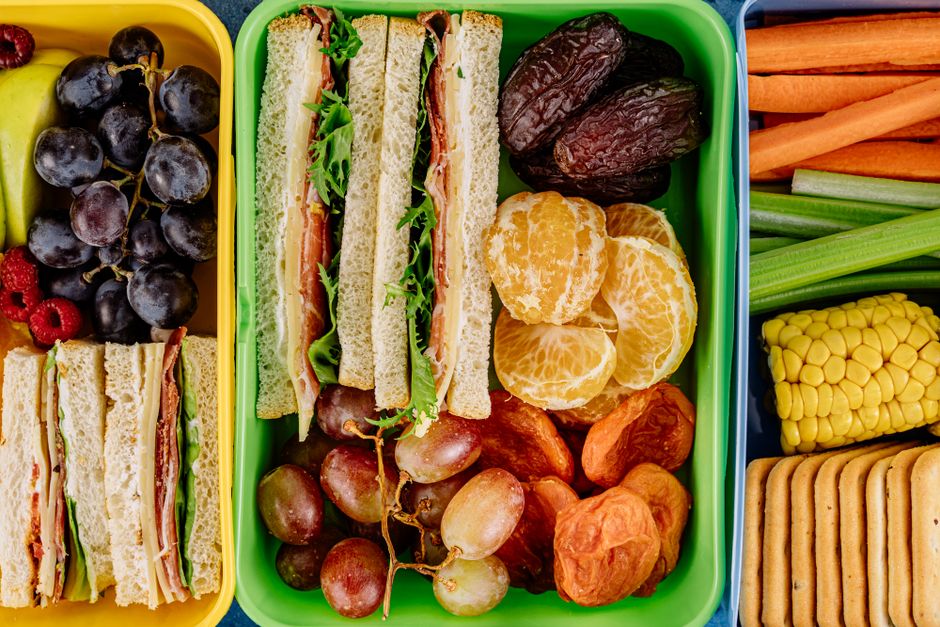
As parents, understanding the nutritional needs of children is crucial for their growth and development. Children require a balanced diet that includes essential nutrients such as proteins, carbohydrates, fats, vitamins, and minerals. These nutrients play a vital role in their physical and cognitive development. Healthy snacks are an important part of this diet, as they can help bridge the gap between meals, providing energy and essential nutrients without excessive sugars or unhealthy fats.
Healthy snacks contribute to a child’s daily nutrient intake and help establish good eating habits from a young age. Instead of reaching for sugary or processed snacks, opting for healthier choices can prevent energy crashes and ensure sustained focus and concentration during school and playtime. Furthermore, introducing kids to nutritious snacks can instill a preference for healthier foods, setting the foundation for lifelong healthy eating habits.
In Pakistan, where traditional snacks often lean towards fried or sugary options, it’s essential to seek out alternatives that fulfill children’s nutritional needs. Parents should look for snacks that are rich in fiber, vitamins, and healthy fats while being low in added sugars and preservatives.
Types of Healthy Snacks Available in Pakistan
When it comes to healthy snacking options for kids in Pakistan, there is a variety of choices that are not only nutritious but also delicious. Here’s an overview of some of the best healthy snacks you can easily find:
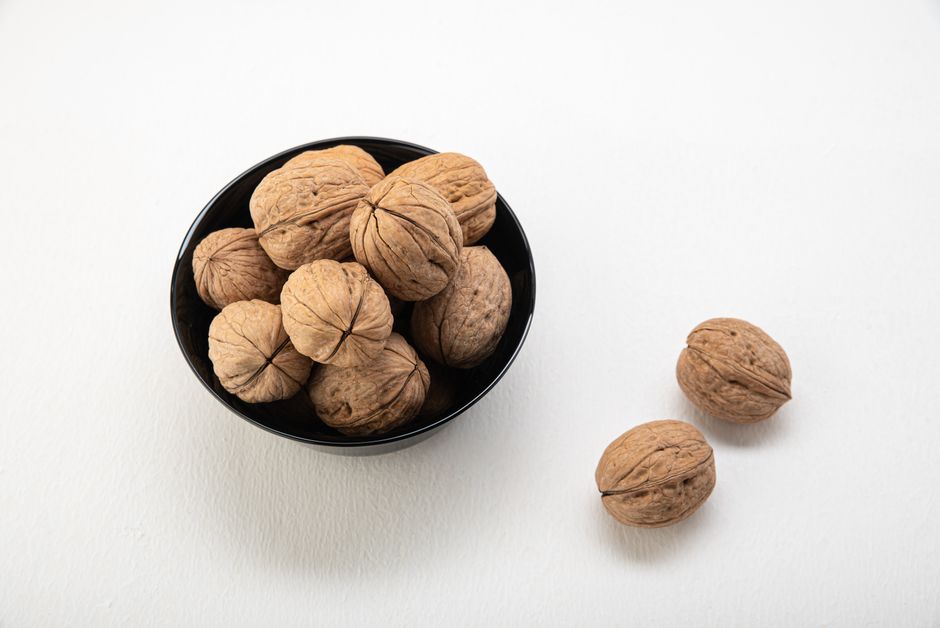
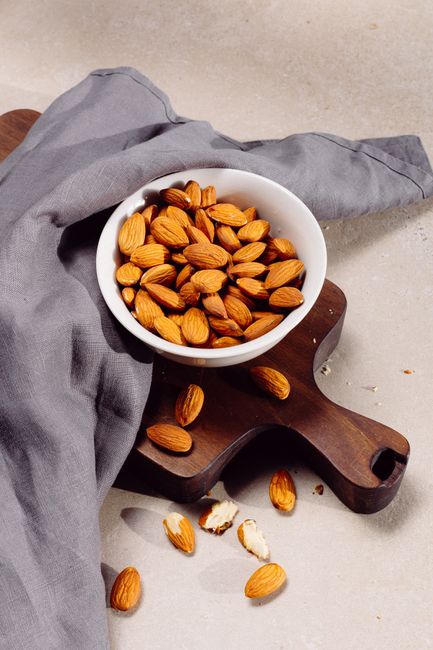
- Dry Fruits: Nuts and dried fruits are excellent sources of energy and nutrients. Almonds, walnuts, apricots, and figs are popular choices that provide healthy fats, fiber, and a range of vitamins and minerals. They are perfect for on-the-go snacking and can be mixed to create a trail mix that kids will love.
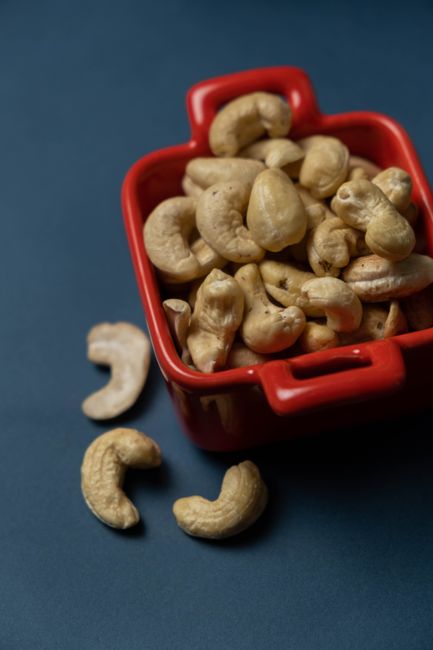
- Nuts: Just like dry fruits, nuts are packed with protein, healthy fats, and essential nutrients. Options like cashews, pistachios, and peanuts can satisfy hunger and keep energy levels stable throughout the day.
- Honey: A natural sweetener, honey can be used to enhance the flavor of snacks or eaten alone. It contains antioxidants and can be a healthier alternative to processed sugars. Consider offering honey on whole grain bread or as a dip for fruits.
- Popcorn: When made without excessive butter and salt, popcorn is a whole grain snack that can be high in fiber. Air-popped popcorn is a great alternative to chips and can be flavored with herbs or spices for added taste.
- Yogurt: A good source of calcium and probiotics, yogurt can be a nutritious snack option. Opt for plain yogurt and add fresh fruits or honey to make it more appealing for kids.
- Vegetable Sticks: Fresh cut vegetables such as carrots, cucumbers, and bell peppers can be served with healthy dips like hummus or yogurt-based dressings. They are not only nutritious but also crunchy and satisfying.
- Energy Balls: Homemade energy balls made with oats, nut butter, and honey can be a fun and healthy snack choice. They are easy to prepare and can be customized with various ingredients according to your child’s taste.
These snack options can be easily found in local markets or online stores across Pakistan, making them accessible for all parents looking to provide healthier choices for their kids.
How to Identify Quality Healthy Snack Products
When shopping for healthy snacks, especially for children, it’s essential to know how to identify quality products. Here are some tips to help you make informed choices:
- Read Labels: Always check the nutrition labels on snack packaging. Look for snacks that are low in added sugars, sodium, and unhealthy fats. Aim for products that are high in fiber and protein, as these nutrients help keep children full and satisfied.
- Check Ingredients: A shorter ingredient list is generally a good sign. Look for whole foods and avoid snacks that contain artificial additives, preservatives, and fillers. Ingredients should be recognizable and preferably whole foods.
- Certifications: Seek out snacks that have certifications such as organic or non-GMO. These labels can indicate a higher quality product and can help you trust that the food is made from better ingredients.
- Brand Reputation: Choose brands that are well-known for their commitment to health and nutrition. Researching reviews and ratings can give insight into the quality of the products.
- Source: Whenever possible, buy snacks that are locally sourced or produced. Local products often have fewer preservatives and are fresher, making them a better choice for health.
By paying attention to these factors, parents can ensure that the snacks they choose for their children are not only healthy but also of high quality.
Affordable and Readily Available Options for Healthy Snacking
Finding affordable and nutritious snacks for children can be a challenge, especially in a diverse market like Pakistan. However, there are several options that are both healthy and budget-friendly, making it easier for parents to provide their children with wholesome snacks. Here are some readily available choices:
1. Dry Fruits and Nuts
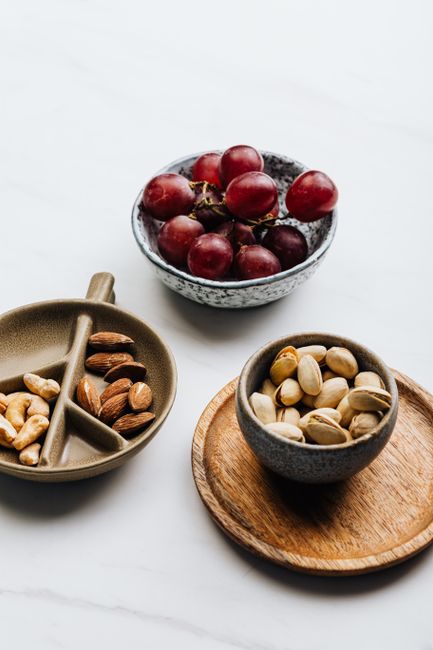
Dry fruits such as almonds, walnuts, and apricots are not just tasty; they are also packed with essential nutrients. Nuts provide healthy fats and proteins, making them a perfect snack for kids. You can buy these items in bulk from local markets or supermarkets like Metro or Imtiaz, often at a lower price than packaged versions.
- Almonds: Rich in vitamin E and magnesium, almonds can help improve brain function.
- Walnuts: High in omega-3 fatty acids, they are great for heart health and cognitive function.
- Apricots: A good source of vitamins A and C, they are great for skin and eye health.
2. Homemade Snacks
Making snacks at home can be a cost-effective way to ensure your children are eating healthy. Here are some easy recipes:
- Peanut Butter Banana Bites: Spread peanut butter on banana slices and sandwich them together for a delicious and filling snack.
- Yogurt Parfait: Layer yogurt with fruits and a sprinkle of oats for a nutritious and satisfying treat.
- Homemade Trail Mix: Combine nuts, seeds, and dried fruits to create a perfect on-the-go snack.
3. Whole Grain Options
Whole grain snacks such as whole grain crackers or popped corn are more nutritious than their refined counterparts. Look for brands that offer whole grain products, as these are more beneficial for kids’ health. They are often available in bulk at local grocery stores or online platforms like Daraz.
4. Fresh Fruits and Vegetables
Always opt for seasonal fruits and vegetables, as they are usually more affordable and flavorful. Fruits such as apples, bananas, and seasonal berries can be great snacks. Vegetables like carrots and cucumbers can be paired with hummus or yogurt dips for a nutritious option.
5. Healthy Store-Bought Options
While homemade snacks are great, there are also various healthy, affordable snacks available in stores. Brands like NutriBites and SnackTime offer options that are specifically aimed at children. Here’s what to look for:
- Low Sugar Content: Snacks with minimal added sugars are better for kids.
- Natural Ingredients: Choose snacks made with whole food ingredients.
- Portion Control: Snack packs can help with moderation and convenience.
6. Local Markets and Wholesale Options
Don’t underestimate local markets for snacks. They often provide fresh produce at lower prices. You can also explore wholesale options for bulk buying, which can save money in the long run. Stores like Naheed and Al-Fatah frequently have sales and promotions on healthy snacks.
7. Seasonal Availability and Pricing
Be mindful of seasonal produce; prices can fluctuate based on availability. For example, mangoes are abundant and cheaper during summer, while citrus fruits are plentiful in winter. Planning your snack purchases around these seasons can significantly reduce costs.
By exploring these affordable and readily available options, parents can better equip their children with healthy snacks that don’t break the bank. Next, let’s delve into practical tips for online shopping for healthy snacks in Pakistan.
Common Mistakes to Avoid When Selecting Healthy Snacks
1. Ignoring Nutritional Labels
One of the most common mistakes is failing to read nutritional labels. Look for snacks that are low in added sugars, sodium, and unhealthy fats. Always check the serving size and nutritional information to ensure you are making a healthy choice.
2. Assuming All Natural Snacks Are Healthy
Just because a snack is labeled as “natural” doesn’t necessarily mean it is healthy. Some products may still contain high levels of sugar or preservatives. Always read the ingredient list to confirm the snack’s health benefits.
3. Overlooking Allergens
Parents should be vigilant about allergens when choosing snacks, especially if their children have known allergies. Always check for potential allergens such as nuts, dairy, or gluten, and opt for snacks that are clearly labeled as allergy-friendly if needed.
4. Focusing Solely on Price
While affordability is important, focusing solely on price can lead to poor quality choices. Invest in high-quality snacks that offer nutritional benefits, even if they are slightly more expensive. The health of your children is worth the extra cost.
5. Neglecting Portion Control
Healthy snacks can still contribute to excessive calorie intake if portion sizes are not controlled. Teach your children about appropriate serving sizes and encourage them to enjoy snacks in moderation.
6. Not Considering Taste Preferences
Choosing snacks that your children dislike can lead to waste. Involve your kids in the decision-making process by allowing them to choose from a selection of healthy options. This can help foster a positive attitude towards healthy eating.
Price Comparison of Different Brands and Types of Snacks
When shopping for healthy snacks, it’s essential to compare prices among various brands and types. Here’s a brief table showcasing a few common healthy snack options, their average price range, and notable brands:
| Snack Type | Average Price (PKR) | Popular Brands |
|---|---|---|
| Dry Fruits (Almonds, Cashews) | 750 – 1200 per kg | Al-Fatah, Imtiaz, Metro |
| Nuts | 600 – 1000 per kg | Naheed, Daraz, Gourmet |
| Granola Bars | 100 – 300 per bar | Nutri, Quaker, Purely Elizabeth |
| Honey | 500 – 1500 per kg | Shah Makhdoom, Dabur, Saffron |
| Fruit Chips | 150 – 400 per pack | Crunchies, Sunkist, Snackible |
As you can see, prices can vary widely based on the type of snack and brand. It’s also worth noting that local markets may offer lower prices compared to larger retail chains, especially for bulk purchases. Always consider the value and quality, rather than just the price, to ensure you are getting the best products for your family.
How to Make Informed Decisions When Buying Healthy Snacks
1. Assess Your Child’s Nutritional Needs
Understanding your child’s specific nutritional needs is crucial when selecting snacks. Depending on their age, activity level, and dietary restrictions, some snacks may be more appropriate than others. Consult with a pediatrician or nutritionist if you’re unsure.
2. Prioritize Whole Foods
Whole foods, such as fruits, vegetables, nuts, and seeds, are the best options for healthy snacking. They offer essential vitamins and minerals without added sugars or unhealthy fats. Try to incorporate a variety of whole foods into your child’s snack rotation.
3. Experiment with Homemade Snacks
Making snacks at home allows you to control the ingredients and tailor them to your child’s preferences. Try making energy balls, homemade granola bars, or yogurt parfaits. Involving your children in the cooking process can also make them more excited about healthy eating.
4. Keep a Balanced Approach
While it’s essential to provide healthy snacks, it’s also important to maintain a balance. Allow occasional treats to keep your child’s diet enjoyable and varied. This balance can prevent feelings of deprivation and promote a positive relationship with food.
5. Stay Updated on Trends and New Products
Healthy snack options are continually evolving, with new products hitting the market regularly. Stay informed about the latest trends in healthy eating and snacks, as this can help you discover new, exciting options for your children.
Conclusion
Choosing the right healthy snacks for your children in Pakistan requires careful consideration of various factors, from nutritional content to product quality and brand reputation. By understanding your children’s nutritional needs and utilizing online shopping tips, you can confidently select snacks that align with your family’s health goals. Remember to explore different brands and keep an eye on seasonal offerings to ensure variety and excitement in your kids’ snacking habits. With the right approach, healthy snacking can be an enjoyable and beneficial part of your child’s diet.
Frequently Asked Questions
- What are some examples of healthy snacks for kids in Pakistan? Dried fruits, nuts, yogurt, and homemade energy bars are all excellent options.
- How can I ensure the snacks I buy are healthy? Look for products with minimal ingredients, no added sugars, and certifications like organic or non-GMO.
- Where can I find affordable healthy snacks online? Websites like ZarooriSaman.com and Daraz often have competitive prices and special offers on healthy snacks.
- Are homemade snacks better than store-bought options? Homemade snacks can be healthier since you control the ingredients, but many store-bought options can also be nutritious if chosen wisely.
- What brands should I trust for healthy snacks? Brands like NutraBlast, Al-Falah, and Organic Valley are popular for their commitment to quality and healthy ingredients.
