
Honey
How to Choose the Best Honey for Health Benefits in Pakistan
Aug
Types of Honey Available in Pakistan and Their Health Benefits
When it comes to honey, not all varieties are created equal. In Pakistan, you can find a diverse range of honey types, each with unique flavors and health benefits. Understanding these differences is crucial for selecting the best honey that aligns with your health goals. Here are some of the most popular types:
- Acacia Honey: Known for its light color and mild taste, acacia honey is favored for its high fructose content, making it less likely to crystallize. It supports digestive health and has antibacterial properties, making it an excellent choice for those seeking a gentle health boost.
- Wildflower Honey: This type of honey is derived from the nectar of various wildflowers. It is rich in antioxidants and vitamins, offering a range of health benefits including improved immunity and wound healing. Its flavor can vary widely, providing a unique taste experience depending on the season and location of harvest.
- Manuka Honey: Although not traditionally from Pakistan, Manuka honey has gained popularity due to its potent health benefits. It is known for its strong antibacterial properties, particularly effective in promoting wound healing and soothing digestive issues. Check for certifications when buying, as quality can vary significantly.
By understanding these types, you can better determine which honey may be most beneficial for your health needs. Each type offers distinct qualities that cater to different wellness objectives, from boosting immunity to aiding digestion.

Factors to Consider When Selecting Honey
Choosing the right honey goes beyond just picking a jar off the shelf. Several factors play a crucial role in ensuring that you select high-quality honey that provides the health benefits you’re looking for. Here’s what to consider:
- Raw vs. Processed Honey: Raw honey is unheated and unprocessed, retaining its natural enzymes, nutrients, and antioxidants. Processed honey, on the other hand, is often heated and filtered, which can strip away these beneficial properties. For maximum health benefits, opt for raw honey whenever possible.
- Source of Honey: The source of the honey is vital in determining its quality. Honey sourced from local beekeepers is often fresher and more authentic compared to mass-produced varieties. Look for honey that specifies its source to ensure you are getting a product that is both pure and beneficial.
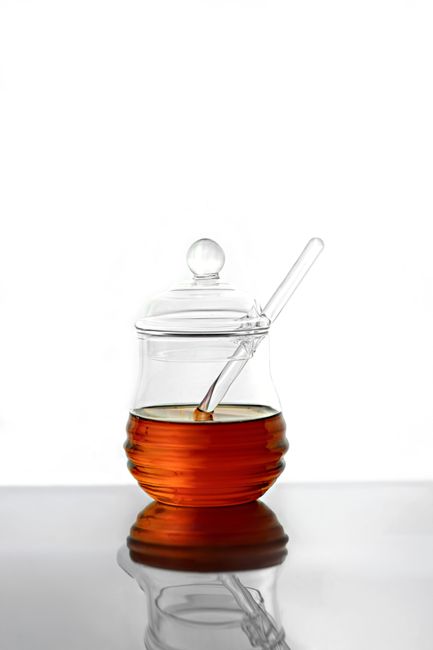
- Packaging: The packaging of honey can also indicate its quality. Glass jars are typically preferable to plastic containers, as they do not leach chemicals into the honey. Additionally, check for clear labeling that includes information on the honey’s origin and whether it is organic.
Considering these factors can significantly enhance your honey selection process. By choosing raw, locally-sourced honey with clear packaging, you are more likely to invest in a product that offers genuine health benefits.
How to Identify High-Quality Honey
Identifying high-quality honey can sometimes be challenging, especially with the wide array of products available in the market. Here are some key indicators to help you determine the quality of honey:
- Taste: Quality honey should have a distinct flavor that reflects its source. For instance, acacia honey will taste floral and light, while wildflower honey might have a more robust and varied flavor profile. If the honey tastes overly sweet without a complex flavor, it may be processed or mixed with other sweeteners.
- Texture: The texture of honey can provide insights into its quality. High-quality honey tends to be thick and viscous, while lower-quality products may be runny. If honey crystallizes, this is often a sign of purity, particularly in raw varieties.
- Color: The color of honey can vary greatly depending on the floral source. Generally, darker honey types tend to have higher antioxidant levels. However, color alone should not determine quality; it should be considered alongside flavor and texture.
By focusing on these indicators, you can confidently select honey that not only tastes great but also offers the health benefits you desire.
Common Misconceptions About Honey and Health Claims
As honey continues to gain popularity for its health benefits, several misconceptions persist. Understanding these myths can help you make informed choices when selecting honey for health purposes.
Myth 1: All Honey is the Same
Many consumers believe that all honey has identical health benefits. In reality, the type of honey, its source, and how it is processed can significantly impact its health properties. For instance, Manuka honey, known for its antibacterial properties, is far different from regular clover honey. Each type offers unique benefits, so it’s essential to choose based on your health goals.
Myth 2: Honey Can Cure Any Illness
While honey has medicinal qualities, particularly in treating minor ailments like sore throats or coughs, it is not a miracle cure for all diseases. Relying solely on honey for serious health issues can lead to neglecting necessary medical treatments. It’s best used as a complementary approach rather than a replacement for conventional medicine.
Myth 3: Honey is Just Sugar
A common belief is that honey is no different from refined sugar. While both are sweeteners, honey contains beneficial compounds such as antioxidants, vitamins, and minerals that refined sugar lacks. Additionally, honey has a lower glycemic index than sugar, meaning it may have a less dramatic effect on blood sugar levels when consumed in moderation.
Myth 4: Honey Never Spoils
Although honey has a long shelf life due to its natural preservatives, it can still degrade in quality over time, especially if improperly stored. Exposure to moisture and air can lead to fermentation and spoilage. Always store honey in a cool, dry place, away from direct sunlight to preserve its quality.
Myth 5: Raw Honey is Always Better
While raw honey is often praised for its potential health benefits, it may not be the best choice for everyone. Raw honey can contain pollen and other particles that might cause allergic reactions in sensitive individuals. Additionally, it may also carry the risk of containing pathogens, particularly for young children. It’s crucial to weigh the benefits and potential risks when deciding if raw honey is right for you.
Myth 6: Honey is Safe for Everyone
While honey is generally safe for adults and older children, it is not recommended for infants under one year old due to the risk of botulism. Parents should be cautious and avoid giving honey to babies, as their immune systems are not fully developed to handle certain bacteria that may be present in honey.
Myth 7: Honey is a Natural Weight Loss Solution
Many believe that because honey is natural, it can aid in weight loss. However, while honey may provide health benefits, it is still a source of calories and sugars. Consuming honey in moderation can be part of a balanced diet, but relying solely on it for weight loss is unrealistic. A holistic approach, including a healthy diet and exercise, is essential for effective weight management.
Local Brands and Where to Buy Honey Online in Pakistan
When it comes to purchasing honey in Pakistan, several local brands offer quality products with varying health benefits. Here’s a look at some reputable brands and where to find them online.
Popular Local Brands
- Shahbaz Honey: Known for its pure and organic honey, Shahbaz Honey is widely recognized for its quality. They offer a variety of honey types, including wildflower and acacia honey.
- Himalayan Honey: Sourced from the pristine Himalayan region, this brand focuses on raw honey rich in nutrients. It’s ideal for health-conscious consumers.
- Bee Natural: This brand provides a range of honey products, including infused honey with herbs and spices, which can enhance both flavor and health benefits.
- Pure Honey Pakistan: Offering a selection of locally sourced honeys, Pure Honey Pakistan emphasizes quality and sustainability, making it a reliable choice.
Where to Buy Honey Online
For convenience, many Pakistani e-commerce platforms offer a variety of honey brands. Here are some popular options:
- Daraz: A leading online marketplace in Pakistan, Daraz features a wide range of honey products from various brands, often with user reviews and ratings.
- Metro: Known for its wholesale offerings, Metro provides quality honey options both in-store and online, catering to families and bulk buyers.
- Al-Fatah: This retailer is known for its premium food products, including a selection of honey sourced from local and international producers.
- Naheed: Offering a variety of grocery items, Naheed’s online platform includes honey from trusted brands, ensuring quality and reliability.
Practical Tips for Buying Honey
When shopping for honey, whether online or in-store, keeping a few practical tips in mind can enhance your purchasing experience and help you select the best quality product.
Check for Certifications
Look for certifications such as organic or quality assurance labels. These certifications indicate that the honey has been evaluated for purity and quality standards, giving you more confidence in your purchase.
Read Product Labels
Always read the labels carefully. Look for honey that lists only one ingredient: honey. Avoid products with added sugars, syrups, or artificial flavors, as these can dilute the health benefits you’re seeking.
Look for Packaging Integrity
Inspect the packaging for any signs of tampering or damage. High-quality honey should be sealed properly, and the packaging should be intact to ensure freshness. Additionally, consider glass containers over plastic, as they are more environmentally friendly and better for preserving honey.
Compare Prices and Sizes
Honey can vary significantly in price depending on the brand and type. Compare prices across different platforms and consider purchasing larger sizes if you find a brand you like. Buying in bulk can often save you money in the long run.
Watch for Seasonal Availability
Some honey varieties are seasonal, especially those sourced from specific flowers. Stay informed about seasonal availability to get the freshest products. Local farmers’ markets or honey fairs can be excellent places to find seasonal selections directly from producers.
Expert Tips for Selecting Honey
To further refine your honey selection process, consider these expert tips that emphasize quality and health benefits.
Choose Single-Origin Honey
Single-origin honey is sourced from one floral source, offering distinct flavors and health benefits. This type of honey often has a unique taste profile and is less likely to be mixed with lower-quality products. Look for honey labeled as single-origin for the best experience.
Consider the Flavor Profile
Different flowers produce honey with varying flavors. For example, orange blossom honey has a light, citrusy taste, while buckwheat honey is darker and richer. Consider your taste preferences and how you plan to use honey in your diet when selecting a variety.
Research the Brand
Before making a purchase, research the brand’s reputation. Look for customer reviews, and check their website for information about sourcing and processing. Brands that prioritize transparency are often more trustworthy.
Ask About the Source
Inquire about where the honey is sourced. Local honey can offer additional benefits, such as supporting local beekeepers and potentially providing relief from allergies. Understanding the source can also give you insight into the honey’s quality and authenticity.
Experiment with Different Types
Don’t hesitate to try different types of honey to discover which ones you prefer. Each variety offers unique flavors and health benefits, so sampling a range can be both enjoyable and enlightening. Consider purchasing small jars to experiment without committing to larger sizes.
By understanding the misconceptions surrounding honey and following these practical and expert tips, you can confidently choose the best honey for your health needs while supporting local businesses in Pakistan. Happy honey hunting!
Understanding Honey Labels and Certifications
When shopping for honey, paying attention to labels and certifications can help you make more informed decisions. Look for honey that is labeled as “pure” or “100% honey,” which indicates it does not contain added sugars or artificial ingredients. Certifications such as organic or fair trade can also provide additional assurance about the quality and sourcing of the honey.
In Pakistan, the absence of stringent labeling regulations can sometimes make it challenging to identify authentic honey. Therefore, checking for local certifications or endorsements from reputable organizations can be a good practice to ensure the honey meets certain quality standards.
Price Considerations and Value for Money
Price can be a significant factor when selecting honey. In Pakistan, honey prices can vary widely based on the type, source, and quality. Generally, pure, raw honey tends to be more expensive than processed varieties due to its harvesting and handling methods.
While it might be tempting to opt for cheaper options, it’s essential to weigh the potential health benefits against the cost. Consider investing in higher-quality honey, as it typically offers more health benefits and better taste. Additionally, larger jars often come with a more economical price per unit compared to smaller containers, so buying in bulk can be a smart choice if you consume honey regularly.
Seasonal Availability and Local Markets
Seasonality plays a crucial role in the availability and pricing of honey in Pakistan. Honey production peaks during specific months, depending on the local flora. For instance, honey derived from the wildflower bloom is often harvested in spring, while honey from citrus blossoms may be more prevalent in late winter.
Shopping at local markets during peak seasons can offer fresher options and better deals. Additionally, visiting farmers’ markets or local honey fairs can provide opportunities to sample various types of honey and meet the producers directly, ensuring you get the best quality available.
Choosing Between Local and Imported Honey
When selecting honey, consumers often face the choice between local and imported options. Local honey, such as that from the northern regions of Pakistan, typically offers unique flavors and health benefits associated with local flora. It may also be fresher and less likely to undergo extensive processing.
On the other hand, imported honey can sometimes bring unique varieties and flavors not easily found locally. However, it is essential to ensure that imported honey is also of high quality and free from additives. Always check for labels indicating the source and any quality certifications.
Comparing Honey with Other Natural Sweeteners
Many health-conscious individuals explore alternatives to sugar, and honey often comes up as a popular choice. However, it’s essential to compare honey with other natural sweeteners, such as maple syrup, agave nectar, or stevia, to understand their respective health benefits and culinary uses.
- Honey: Rich in antioxidants, it can help with allergies and has antimicrobial properties.
- Maple Syrup: Contains minerals like manganese and zinc but has a higher glycemic index than honey.
- Agave Nectar: Lower glycemic index but higher in fructose, which can be a concern for some health-conscious buyers.
- Stevia: Calorie-free and much sweeter than sugar, making it a good option for those watching their weight.
When choosing a sweetener, consider your health goals and how you plan to use the product. Honey is versatile in both cooking and as a natural remedy, making it an excellent addition to your pantry.
Storage Tips for Maintaining Honey Quality
Proper storage is key to maintaining the quality of honey. Always store honey in a cool, dry place away from direct sunlight. Glass containers are ideal as they are non-reactive and can help prevent the absorption of moisture. Avoid storing honey in plastic containers, as they may leach chemicals over time.
If honey crystallizes, a common occurrence, gently warming it in a water bath can restore its original consistency. Never microwave honey, as high temperatures can degrade its quality and health benefits.
