
food
Essential Tips for Storing Dry Fruits for Maximum Freshness

Sep
Importance of Proper Storage for Dry Fruits
Dry fruits are not just a delicious snack; they are also packed with nutrients that can contribute significantly to your health. However, if not stored properly, they can lose their freshness, flavor, and nutritional value over time. Understanding the importance of proper storage methods is key to enjoying the full benefits of dry fruits.
First and foremost, the freshness of dry fruits is directly linked to their storage conditions. Exposure to air, humidity, and light can lead to oxidation, which diminishes both flavor and texture. For instance, nuts can go rancid if stored improperly, while dried fruits can become hard or develop mold. Thus, maintaining an optimal environment for storage is critical to prolonging the shelf life of your dry fruits.
Moreover, the shelf life of dry fruits varies based on the type and storage method used. For example, while almonds can last up to two years if stored in a cool, dark place, dried apricots may only maintain their quality for about six months under similar conditions. This variance highlights the necessity for tailored storage solutions that cater to different types of dry fruits.

In addition to freshness and shelf life, proper storage techniques also play a vital role in quality maintenance. Dry fruits that are stored correctly retain their natural oils, flavors, and nutrients. This not only enhances their taste but also ensures that you are getting the maximum health benefits from your snacks. Therefore, investing time in learning how to store dry fruits properly is essential for anyone looking to incorporate these nutritious options into their diet.
Best Practices for Storing Different Types of Dry Fruits
When it comes to storing dry fruits, one size does not fit all. Different types require different methods to ensure they remain fresh and appealing. Here are some best practices for storing various types of dry fruits:
1. Nuts (e.g., almonds, walnuts, cashews)
- Airtight Containers: Nuts should be stored in airtight containers to prevent exposure to air, which can cause them to go rancid. Glass jars or high-quality plastic containers with secure lids work well.
- Cool and Dark Places: Store nuts in a cool, dark place like a pantry or cupboard away from direct sunlight. For longer storage, consider refrigeration.
2. Dried Fruits (e.g., apricots, figs, raisins)
- Resealable Bags: Dried fruits can be kept in resealable bags or vacuum-sealed bags to minimize air exposure. Ensure that the bags are sealed tightly after each use.
- Humidity Control: Store dried fruits in a dry environment, as humidity can lead to spoilage. Avoid storing them in the fridge unless necessary, as moisture can accumulate.
3. Seeds (e.g., sunflower seeds, pumpkin seeds)
- Glass Jars: Seeds should ideally be stored in glass jars that are opaque to protect them from light, which can degrade quality over time.
- Freezing for Longevity: For extended storage, consider freezing seeds in airtight bags. This can help maintain their freshness for several months.
In addition to these specific practices, it’s important to label containers with the date of storage to keep track of their freshness. This simple step can help you avoid consuming expired products and ensure that you always enjoy dry fruits at their best.

Each variety of dry fruit has unique characteristics that dictate the best storage methods. By following the tailored practices mentioned above, you can effectively preserve the quality and freshness of your dry fruits, making them a healthy and tasty snack option.
Recommended Storage Containers and Methods
Choosing the right storage containers and methods can greatly impact the longevity and freshness of dry fruits. Here are some recommended options:
Airtight Containers
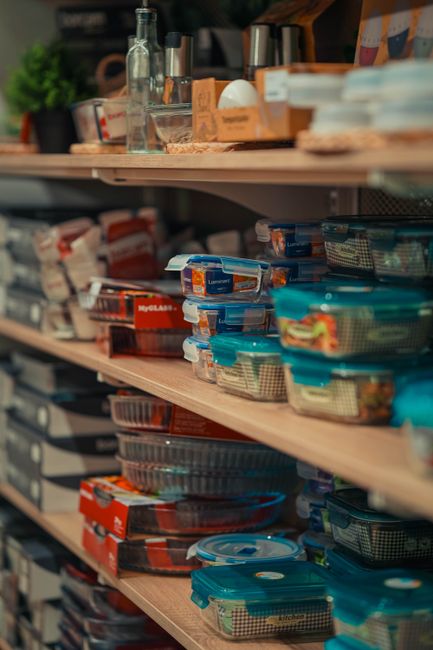
Airtight containers are ideal for maintaining the freshness of dry fruits. Glass jars, plastic containers with tight-sealing lids, or vacuum-sealed bags can help keep air and moisture at bay. Glass jars are particularly useful as they don’t absorb odors and allow you to see the contents easily.
Vacuum Sealing
For long-term storage, vacuum sealing is an excellent option. By removing air from the packaging, you can significantly extend the shelf life of dry fruits. Vacuum-sealed bags can be stored in the pantry or freezer, ensuring maximum freshness.
Freezer Storage
If you want to store dry fruits for an extended period, consider freezing them. Most dry fruits can be safely frozen without compromising their quality. Just ensure they are properly sealed in airtight bags or containers to prevent freezer burn. When you’re ready to use them, simply thaw them at room temperature.
Opaque Containers
Using opaque containers can protect dry fruits from light exposure, which can degrade their quality over time. This is particularly important for nuts and seeds, which can become rancid when exposed to light. Choose containers made of dark or colored glass or plastic to shield them from light.
Silica Gel Packs
Including silica gel packs in your storage containers can help absorb excess moisture and maintain a dry environment for your dry fruits. Just ensure that these packs are food-safe and kept out of reach of children.
Labeling and Organizing
To keep your dry fruits organized, label each container with the contents and the date of storage. This not only helps in maintaining freshness but also makes it easy to find what you need quickly. Consider organizing your dry fruits by type or usage to streamline access.
Nutritional Benefits of Dry Fruits
Dry fruits are not only a delicious snack but also packed with numerous health benefits. Understanding these benefits can help you make informed choices when purchasing and consuming dry fruits.
Rich in Nutrients
Dry fruits are concentrated sources of essential nutrients, including vitamins, minerals, and antioxidants. For instance, almonds are high in vitamin E, while walnuts provide omega-3 fatty acids. Incorporating a variety of dry fruits into your diet can help ensure you get a broad spectrum of nutrients.
High in Fiber
Many dry fruits, such as figs and prunes, are excellent sources of dietary fiber. Consuming fiber is important for digestive health, as it can help maintain regular bowel movements and prevent constipation. It can also help you feel fuller for longer, making it a great addition to weight management diets.
Supports Heart Health
Dry fruits, particularly nuts, are known to support cardiovascular health. They contain healthy fats that can help lower bad cholesterol levels and reduce the risk of heart disease. Incorporating a handful of nuts into your daily routine can be a heart-healthy choice.
Boosts Energy Levels
Dry fruits are an excellent source of concentrated energy, making them a perfect snack for active individuals. The natural sugars found in dry fruits provide a quick energy boost, while the fiber helps sustain that energy over time. This makes them an ideal pre- or post-workout snack.
Antioxidant Properties
Many dry fruits are rich in antioxidants, which help protect the body from oxidative stress and inflammation. For example, dried cranberries are known for their high levels of antioxidants, which can support overall health and wellness.
Convenience and Versatility
Dry fruits are incredibly convenient for on-the-go snacking. They are lightweight, portable, and require no preparation, making them a perfect option for busy families. Additionally, they can be incorporated into a wide variety of dishes, from salads to desserts, enhancing both flavor and nutrition.
How to Identify Quality Dry Fruits for Purchase
When shopping for dry fruits, it’s crucial to know how to identify high-quality products. Here are some pointers to help you make the best choices:
Check for Freshness
Fresh dry fruits should have a pleasant aroma and vibrant color. Avoid products that appear dull or have an off-putting smell, as these may indicate spoilage. If possible, buy from reputable suppliers or stores known for high-quality products.
Inspect Packaging
Quality packaging is essential for maintaining the freshness of dry fruits. Look for sealed packages that are not damaged or leaking. Transparent packaging can also help you see the contents, allowing you to check for any signs of spoilage or infestation.
Look for Natural Ingredients
When purchasing dried fruits, opt for those that contain minimal added ingredients. Avoid products with artificial preservatives, sugars, or additives. The best dry fruits are made from 100% fruit with no added chemicals.

Examine Texture
Quality dry fruits should have a firm texture without being overly hard or too soft. Overly dry fruits may indicate that they have been stored improperly, while too-soft fruits may be a sign of spoilage. The ideal texture should be consistent with the variety you are purchasing.
Research Brands and Suppliers
Take the time to research different brands and suppliers before making a purchase. Look for customer reviews and ratings to gauge the quality of their products. In Pakistan, reputable retailers such as Daraz, Metro, and Al-Fatah often carry a range of dry fruits with varying price points and quality levels.
Consider Seasonal Availability
Purchasing dry fruits in season can often lead to better quality and lower prices. For example, local dried apricots or figs may be fresher and more affordable during their peak season. Be mindful of the seasonality of various fruits to make the best choices.
Storage Tips for Related Products like Honey and Shilajit
In addition to dry fruits, knowing how to store related products like honey and shilajit can enhance their longevity and potency. Here are some tips:
Storing Honey
Honey should be stored in a cool, dark place, ideally in a glass jar with a tight seal. Avoid storing honey in the refrigerator, as this can lead to crystallization. If crystallization occurs, gently warm the jar in warm water to restore its liquid form.
Storing Shilajit
Shilajit, a natural mineral substance, should be stored in a cool, dry place away from direct sunlight. Keep it in an airtight container to prevent moisture absorption, which can compromise its quality. Always check the expiration date and avoid using it past that point for the best results.

Combining Storage Methods
When storing honey and shilajit alongside your dry fruits, ensure that each product is kept in its respective container to prevent cross-contamination. Create a dedicated storage area for these items to maintain organization and accessibility.
Conclusion
Proper storage of dry fruits is crucial for maintaining their freshness, flavor, and nutritional benefits. By avoiding common mistakes and implementing best practices, you can enjoy your dry fruits for longer periods. Always prioritize quality when purchasing, check expiration dates, and choose the right storage methods to enhance your overall experience. Investing in good-quality containers and creating an organized storage system will not only save you money but also ensure that you and your family can enjoy these nutritious snacks whenever you like.
Frequently Asked Questions (FAQ)
1. How long do dry fruits last when stored properly?
When stored in airtight containers in a cool, dark place, dry fruits can last anywhere from 6 months to a year, depending on the type.
2. Can I freeze dry fruits for longer storage?
Yes, freezing dry fruits can extend their shelf life. Make sure to store them in airtight bags or containers to prevent freezer burn.
3. What are the signs that dry fruits have gone bad?
Look for off-odors, discoloration, excessive stickiness, or the presence of mold. If you notice any of these signs, it’s best to discard them.

4. Are there specific dry fruits that require different storage methods?
Yes, some dry fruits, like figs or apricots, may require refrigeration after opening due to their higher moisture content, while others like almonds or walnuts can be stored at room temperature if kept in airtight containers.
5. Is it safe to mix dried fruits with nuts in the same container?
While it’s possible, it’s recommended to store them separately to prevent moisture transfer and flavor changes, especially if the nuts are oily.
