
Gents Dresses
How to Choose the Right Men’s Dress for Different Occasions in Pakistan
Sep
Understanding Different Dress Codes for Men
When it comes to selecting the right men’s dress for any occasion, understanding different dress codes is crucial. Dress codes dictate what is considered appropriate attire for various events, and knowing how to interpret them can help you make informed choices when shopping for men’s fashion in Pakistan.
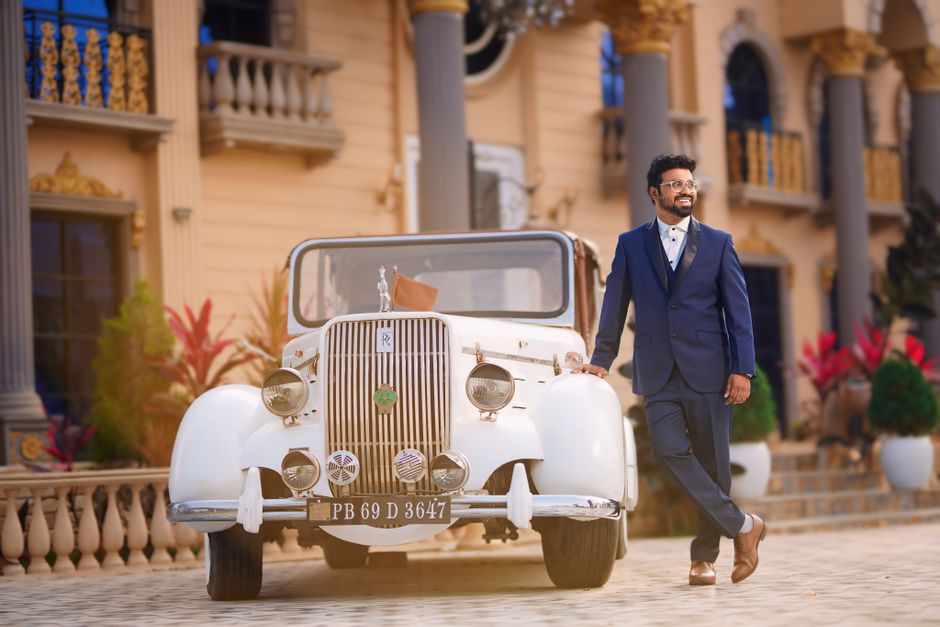
Formal Wear: This dress code is typically required for events such as weddings, formal parties, and business meetings. For formal occasions, a well-tailored suit is usually the go-to choice. In Pakistan, classic colors like black, navy, and charcoal are popular for suits. Pairing a formal suit with a crisp white dress shirt and a silk tie can elevate your appearance significantly. Remember that accessories, such as cufflinks and a nice watch, can add a touch of sophistication.
Semi-Formal: This dress code sits between casual and formal. It’s often seen at events like birthday parties and corporate events where a suit may be too much but smart casual is not enough. For semi-formal occasions, you might opt for a blazer paired with tailored trousers or even smart jeans. A well-fitted kurta with a shalwar can also fit well within this category, especially in cultural settings.
Casual Outfits: Casual wear is the most relaxed dress code and applies to informal gatherings, outings with friends, or casual Fridays at work. In Pakistan, popular casual options include well-fitted shirts, tees, and chinos. You can also experiment with colors and patterns, as casual attire allows for more personal expression. However, ensure that your clothes are clean and well-pressed, as even casual looks should maintain a level of neatness.

Choosing the Right Fabric for the Occasion
The fabric of your dress can greatly influence both comfort and style, making it essential to choose the right material based on the occasion. Here’s a breakdown of popular fabrics and their suitability for different events.
- Cotton: Known for its breathability and comfort, cotton is perfect for casual wear and warm weather. It’s versatile and can be styled in many ways, making it a go-to choice for informal outings or semi-formal events.
- Silk: This luxurious fabric adds an elegant touch, making it ideal for formal wear. Silk shirts or ties can enhance a suit’s appearance and are perfect for weddings or high-profile events.
- Linen: Linen is another breathable fabric, perfect for summer occasions. It has a relaxed look, making it suitable for casual outings or semi-formal events. However, it wrinkles easily, so consider this when choosing your outfit.
- Polyester: Often used in formal wear due to its durability and wrinkle resistance. While it may not be as breathable as natural fibers, polyester suits can offer a polished look for formal occasions without the hassle of frequent ironing.
When selecting fabric, also consider the season. Lighter fabrics like cotton and linen are more appropriate for summer, while heavier materials like wool are better suited for winter.
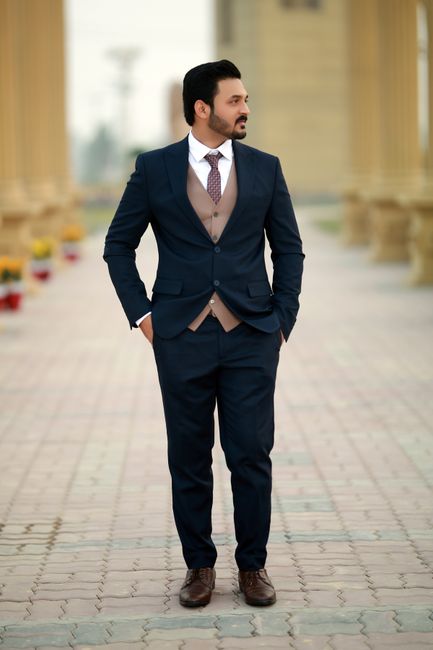
Understanding these fabrics and their characteristics can drastically improve your selection process, ensuring that you not only look good but feel comfortable in your attire.
Color Choices and Matching Outfits
Selecting the right colors for men’s dresses is pivotal in making a lasting impression. In Pakistan, where cultural nuances and seasonal changes affect style choices, understanding how to harmonize colors can elevate your outfit to the next level. Here’s a breakdown of how to choose the right colors and match outfits effectively:
Understanding Color Psychology
Colors not only define a style but also convey messages and emotions. Here are some common interpretations associated with different colors:
- Black: Represents sophistication and authority. Perfect for formal events and evening gatherings.
- White: Symbolizes purity and simplicity. Ideal for summer events and traditional occasions.
- Blue: Conveys trust and calmness. A versatile choice suitable for both formal and semi-formal wear.
- Red: Denotes passion and confidence. Great for making a bold statement, but best reserved for less formal occasions.
- Gray: Represents neutrality and professionalism. It’s a safe choice for business settings.
- Earth tones: Colors like brown, tan, and olive are associated with comfort and stability. They work well for casual or semi-formal events.
Seasonal Color Trends
Fashion trends often change with the seasons, and so do color palettes. Here’s how to align your outfit colors with seasonal trends in Pakistan:
- Spring: Light pastels such as mint green, soft pink, and baby blue are popular during this season, reflecting the blooming nature.
- Summer: Bright, vibrant colors like turquoise, coral, and sunny yellow can help combat the heat and bring a lively vibe.
- Autumn: Rich colors like burgundy, mustard, and forest green are favored, reflecting the changing leaves.
- Winter: Deep, muted colors such as navy, charcoal, and dark green are common, providing a warm and cozy feel.
Mixing and Matching Outfits
Knowing how to mix and match colors effectively is essential for creating a cohesive look. Here are some tips:
- Complementary Colors: Use colors that are opposite each other on the color wheel (e.g., blue and orange) to create a striking contrast.
- Analogous Colors: Choose colors that are next to each other on the color wheel (e.g., blue, teal, and green) for a harmonious appearance.
- Monochromatic Scheme: Different shades of the same color can create a sophisticated and streamlined look. For example, pairing a light gray suit with a charcoal shirt.
- Neutral Base: Start with neutral colors like white, black, or gray and build your outfit with one or two accent colors to avoid overwhelming the look.
Accessorizing with Colors
Accessories can elevate the color scheme of your outfit. Here are some guidelines for choosing accessories that complement your dress:
- Belts: Match your belt color with your shoes for a cohesive look. For instance, a black suit pairs well with a black belt.
- Ties: When wearing a patterned shirt, opt for a solid-colored tie that incorporates one of the shirt colors for balance.
- Watches: A classic watch with a leather strap can add elegance, while a metallic strap offers a modern touch. Choose the color based on the overall outfit.
- Pocket Squares: These can add a pop of color. Ensure it complements either your tie or shirt without clashing.
Common Mistakes to Avoid
Here are some common pitfalls to avoid when selecting colors and matching outfits:
- Overmatching: While coordination is key, matching every piece too perfectly can look forced. Aim for a balanced approach instead.
- Ignoring Skin Tone: Always consider your skin tone when selecting colors. Warm skin tones typically look better in earthy colors, while cool tones are complemented by blues and greens.
- Neglecting Occasion: Remember to adapt your color choices based on the event. Bright colors may be inappropriate for formal settings.
Practical Tips for Online Shopping
When shopping for men’s dresses online in Pakistan, consider the following tips to ensure you make the right color choices:
- Check Color Swatches: Always refer to the color swatches provided by the retailer, as colors may appear differently on screens.
- Read Customer Reviews: Look for feedback on how the color looks in real life compared to the online images.
- Return Policy: Familiarize yourself with the return policy in case the color doesn’t meet your expectations upon arrival.
Accessories that Complement Men’s Dresses
Accessories play a crucial role in enhancing your overall appearance and completing your outfit. Understanding how to choose the right accessories can elevate your style and make your men’s dress stand out. Here are some essential accessories to consider:
Types of Accessories
Here are the key types of accessories that can complement men’s dresses:
- Ties and Bowties: Essential for formal and semi-formal occasions. Choose ties that either complement or contrast with your outfit effectively.
- Cufflinks: A subtle yet significant detail for formal shirts. They come in various styles and materials, allowing for personalization.
- Belts: Should match the shoes in color and material. A good quality leather belt is a must-have for formal wear.
- Watches: A classic timepiece can add sophistication. Opt for a design that matches the formality of your outfit.
- Hats: Popular in certain cultural contexts, hats like the traditional topi or a fedora can enhance your look while providing style.
- Sunglasses: Ideal for outdoor events, choose sunglasses that suit your face shape and complement your outfit.
Choosing the Right Accessories
When selecting accessories, consider the following:
- Occasion: Ensure the accessories match the formality of the event. A casual event allows for more playful accessories, while formal events require classic choices.
- Personal Style: Choose accessories that reflect your personality. Whether you prefer minimalistic designs or bold statements, your accessories should represent your style.
- Color Coordination: Accessories should harmonize with the color scheme of your outfit. This doesn’t mean they have to match, but they should complement each other.
- Quality: Invest in good quality accessories. They can enhance your outfit and make a significant difference in your overall appearance.
Popular Accessory Trends in Pakistan
As fashion evolves, so do accessory trends. Here are some popular trends in Pakistan:

- Embroidered Cufflinks: These add a touch of tradition to contemporary dress shirts, perfect for weddings and festive occasions.
- Leather Bags: High-quality leather bags are becoming essential for both formal and casual outings, offering style and functionality.
- Statement Watches: Oversized watches with intricate designs are in vogue, appealing to fashion-forward individuals.
- Colorful Pocket Squares: Adding a pop of color through pocket squares is a growing trend among young professionals and fashion enthusiasts.
Where to Buy Accessories Online
Shopping for accessories online in Pakistan has never been easier. Consider these popular platforms:
- Daraz: A comprehensive marketplace offering a wide range of accessories at various price points.
- Al-Fatah: Known for quality and trendy accessories, ideal for those seeking premium options.
- Metro: Offers a good selection of formal accessories, perfect for office wear and weddings.
- Naheed: A great option for budget-friendly accessories without compromising on style.
Popular Men’s Dress Styles in Pakistan
In Pakistan, men’s fashion is a blend of traditional and modern styles. Understanding the popular dress styles can help you choose the right outfit for any occasion. Here are some of the most sought-after styles:
Traditional Attire
Traditional attire remains a staple in Pakistani culture, especially during festive occasions and weddings:
- Kurta: A long tunic worn over shalwar or churidar pants. Ideal for casual and semi-formal events.
- Shalwar Kameez: The national dress of Pakistan, perfect for formal occasions and cultural events.
- Achkan: A long, knee-length coat often worn during weddings, adding a regal touch to the outfit.
Western Styles
Western-style clothing has gained popularity, especially among the younger population. Here are some key styles:
- Suits: A well-tailored suit is essential for formal events. Opt for classic colors like navy, gray, or black for versatility.
- Blazers: A smart blazer can elevate even a simple shirt and trousers combination, perfect for semi-formal outings.
- Casual Wear: Polo shirts and chinos are popular for casual gatherings and outings.
Fusion Styles
Fusion wear, which combines Western and traditional elements, is increasingly popular among fashion-conscious individuals:
- Kurta with Jeans: A modern twist where a kurta is paired with jeans for a trendy, casual look.
- Suits with Traditional Accessories: Wearing a Western suit with traditional accessories like a dupatta or colorful pocket square adds a unique flair.
Footwear Choices
The right footwear can enhance your overall look. Here are some popular choices:
- Formal Shoes: Oxfords or loafers are ideal for formal occasions.
- Casual Sneakers: A great option for casual wear, providing comfort and style.
- Sandals: Traditional sandals can be paired with kurta or shalwar kameez for a cultural touch.
Current Trends in Men’s Dress Styles
Stay updated with the latest trends in men’s fashion to make informed choices:
- Tailored Fit: A focus on well-fitted clothing that enhances the silhouette.
- Textured Fabrics: Fabrics like linen and textured cotton are trending, offering a refreshing change from plain styles.
- Bold Prints: Floral and geometric patterns are gaining popularity in traditional and casual wear.
Seasonal Trends in Men’s Fashion
Fashion in Pakistan is heavily influenced by the seasons, with distinct styles emerging throughout the year. Understanding these trends can help you choose the right attire for any occasion:
Spring/Summer Trends
As the weather warms up, lighter fabrics and bright colors come into play:
- Linen and Cotton: Breathable fabrics are essential for comfort during hot months.
- Pastel Shades: Soft colors like mint, peach, and lavender are favored for a fresh, spring-like feel.
- Short Sleeves: Short-sleeved shirts and kurtas become popular, allowing for better airflow.
Monsoon Trends
During the monsoon, the focus shifts to practicality:
- Water-Resistant Fabrics: Fabrics that can withstand rain while remaining stylish are key.
- Dark Colors: Darker shades can help mask stains from rain and mud.
- Quick-Dry Materials: These are essential for comfort, especially for outdoor events.
Autumn/Winter Trends
As temperatures drop, layering becomes essential:

- Wool and Cashmere: Heavier fabrics for suits and outerwear provide warmth and comfort.
- Earthy Tones: Colors like brown, olive, and rust are popular during autumn, reflecting the season.
- Layering Techniques: Combining blazers, sweaters, and scarves creates a stylish layered look.
Key Seasonal Pieces
Here are some must-have pieces for each season:
- Spring: Lightweight jackets, cotton kurtas, and breathable loafers.
- Summer: Short-sleeved shirts, chinos, and sandals.
- Monsoon: Waterproof jackets, quick-dry shirts, and dark-colored footwear.
- Winter: Wool suits, cashmere sweaters, and insulated outerwear.
Where to Shop for Men’s Dresses Online in Pakistan
Finding the right online platform for shopping men’s dresses can make all the difference. Here are some of the best places to explore:
Popular Online Retailers
- Daraz: As the largest online marketplace in Pakistan, it offers a wide variety of men’s dresses, often at competitive prices.
- Al-Fatah: Known for high-quality apparel, Al-Fatah provides a selection of both traditional and western styles.
- Metro: A good option for formal wear, with reliable delivery and a range of choices.
- Naheed: This platform is great for budget-conscious shoppers looking for stylish options.
What to Look for When Shopping Online
When purchasing men’s dresses online, keep these factors in mind:
- Size Guides: Always refer to the size chart provided by the retailer to ensure a proper fit.
- Material Details: Read the product description carefully to understand the fabric and care instructions.
- Customer Reviews: Check reviews and ratings to get insights into the quality and fit of the item.
- Return Policy: Familiarize yourself with the return policy in case the item does not meet your expectations.
Timing Your Purchases
Knowing when to shop can also save you money:

- Seasonal Sales: Take advantage of sales during Eid, Independence Day, and other holidays for discounts on men’s dresses.
- Off-Season Shopping: Consider purchasing winter wear during the summer months for better prices.
- Clearance Sections: Many online retailers have clearance sections where you can find high-quality items at reduced prices.
Key Factors to Consider When Choosing a Men’s Dress
Ultimately, selecting the right men’s dress involves considering various factors to ensure it meets your needs and style preferences. Here’s a summary of key considerations:
Fit and Tailoring
The fit of a dress is paramount. A well-tailored outfit not only enhances your appearance but also boosts confidence. Here are some tips:
- Check Fit: Ensure the dress fits well at the shoulders, chest, and waist. Avoid overly tight or loose fits.
- Tailoring Services: Consider using tailoring services for adjustments, especially for formal wear.
Budget
Establishing a budget is crucial before shopping:
- Quality vs. Price: Invest in quality pieces that offer durability and style, even if they cost more.
- Sales and Discounts: Keep an eye out for discounts to maximize your budget.
Style and Occasion
Always align your choice with the occasion:

- Formal Events: Opt for suits or formal shalwar kameez.
- Causal Outings: Choose smart-casual styles like chinos and polos.
Personal Preference
Your personal style should shine through your choices:
- Comfort: Prioritize comfort when selecting fabrics and styles.
- Trends vs. Timelessness: Balance trendy pieces with classic designs that won’t go out of style.
