Honey
Expert Tips for Selecting Authentic Honey in Pakistan
Sep
Characteristics of Authentic Honey
Authentic honey boasts several distinct characteristics that set it apart from counterfeit products. Understanding these features is essential for consumers looking to ensure they are purchasing quality honey. Here are the key attributes to look for:
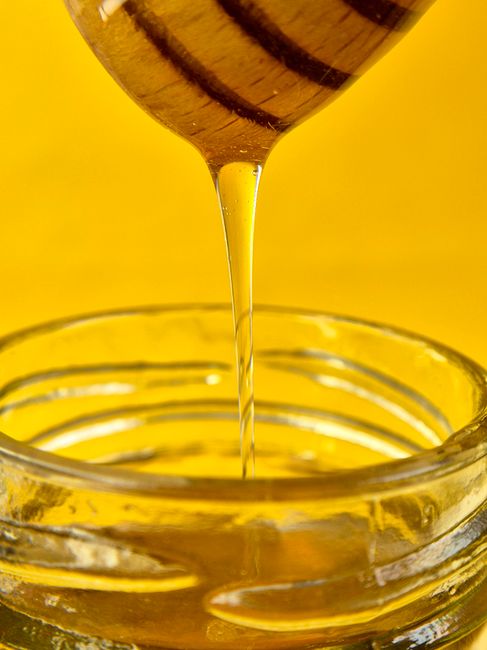
- Viscosity: Genuine honey typically has a thick and syrupy consistency. When you pour authentic honey, it forms a steady stream, which doesn’t break easily. This viscosity is crucial as it indicates the natural sugars and the absence of added water, which is commonly found in fake honey.
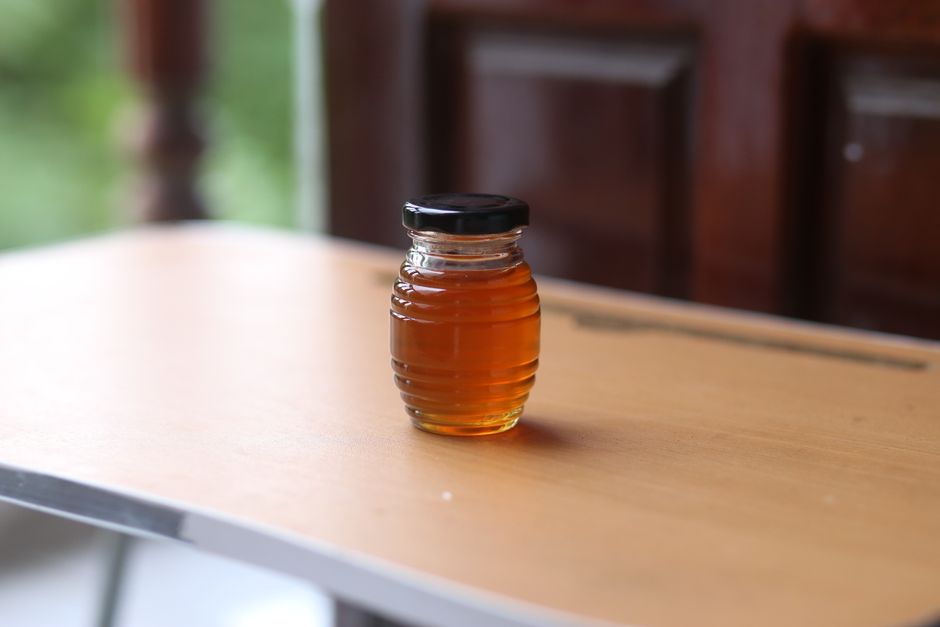
- Color: The color of honey can vary significantly based on its floral source. Authentic honey ranges from light amber to dark brown, and each type has its unique hue. For instance, acacia honey is usually lighter, while buckwheat honey can appear very dark. Always be wary of overly clear or uniform honey, which may suggest processing or dilution.
- Aroma: Real honey has a pleasant, floral aroma that reflects its source. When you smell authentic honey, you should be able to identify hints of the flowers from which the nectar was gathered. In contrast, fake honey often lacks this complexity or may smell overly sweet due to added sugars.
- Taste: The flavor of genuine honey is rich and complex, often with subtle notes that vary by type. Authentic honey should not taste overly sweet or artificial; instead, it should have a balanced flavor profile that reflects its floral origins. If the honey tastes harsh or has an aftertaste, it is likely adulterated.


Common Adulterants Found in Honey
One of the biggest challenges consumers face when selecting honey is the presence of adulterants. These substances are often added to increase volume or alter flavor, compromising the honey’s quality. Here are some common adulterants to watch out for:
- Sugar Syrup: One of the most prevalent adulterants, sugar syrup is often mixed with honey to increase its weight and volume. This syrup can dilute the natural flavors and health benefits of honey, making it essential to verify the product’s authenticity.
- Corn Syrup: Similar to sugar syrup, corn syrup is another common ingredient found in fake honey. It is cheaper and often used to replicate the sweetness of natural honey without the same health benefits.
- Artificial Flavors: Some manufacturers may add artificial flavors to mimic the taste of real honey. If you notice a honey product that has an overly sweet or synthetic flavor, it could be a sign of adulteration.
Being aware of these adulterants can help you make informed decisions and avoid purchasing subpar products.
How to Read Honey Labels and Certifications
Understanding honey labels and certifications is crucial for ensuring you are selecting authentic products. Here’s a guide on how to interpret what you see on the packaging:
- Labeling Standards: In Pakistan, honey products should comply with specific labeling standards that indicate their purity and quality. Look for labels that clearly state the type of honey and whether it contains any additives.
- Certifications: Certifications from recognized food safety authorities can provide reassurance about the quality of honey. Look for seals from organizations that verify organic or pure honey. These certifications often indicate that the product has undergone rigorous testing.
- Organic Labels: Organic honey is produced without the use of synthetic pesticides or fertilizers. If you’re looking for natural options, consider selecting honey that carries an organic certification. However, it’s important to ensure that this label is backed by a reputable certifying body.
By familiarizing yourself with how to read honey labels, you can better assess the authenticity of the product and make smarter purchasing decisions.
Tips for Purchasing Honey Online in Pakistan
Buying honey online can be a convenient option, especially if you’re looking for authentic products that may not be readily available in local stores. However, the online marketplace also has its challenges, such as the risk of purchasing counterfeit or adulterated honey. Here are some practical tips to help you navigate the process effectively.
1. Research Trusted Online Retailers
Start by identifying reliable online platforms that specialize in selling honey. Websites like Daraz, Metro, and Imtiaz have established reputations for offering authentic products. Check customer reviews and ratings to gauge the quality of the honey and the service provided by the retailer.
2. Check for Product Reviews
Before making a purchase, read user reviews and ratings on the product page. Look for comments about taste, texture, and overall satisfaction. Authentic honey usually has positive feedback regarding its flavor and quality. Be cautious of products with few or no reviews, as they may not be well-established.
3. Verify Seller Credentials
Many online platforms have a verification system for sellers. Ensure that the seller has a reputable profile and check if they have any certifications for their honey products. This adds an extra layer of trust when making your decision.
4. Compare Prices
Prices can vary significantly between different sellers. While it’s essential to find a good deal, be wary of prices that seem too low. If a price is significantly below the market average, it could be a sign of adulteration or poor-quality honey. Compare prices across multiple platforms to understand the typical price range.
5. Look for Clear Product Descriptions
A good product listing should include detailed descriptions of the honey, including its source, floral variety, and any certifications it may have. The more information provided, the better you can assess the authenticity of the honey. If the description is vague or missing, consider it a red flag.
6. Check Packaging and Delivery Options
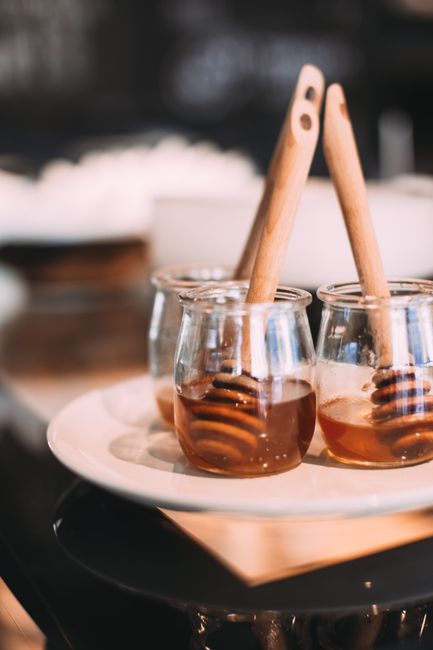
Authentic honey is typically packaged in glass jars or food-grade plastic containers. Avoid products that come in non-standard packaging, as this could indicate lower quality. Additionally, check the delivery options and ensure that the product will be handled properly to maintain its integrity during transit.
7. Monitor for Seasonal Offers
Honey is often available at discounted rates during certain seasons or festivals. Keep an eye on special promotions during events like Eid or Independence Day, when many retailers offer deals on authentic honey products. This can be a good time to stock up.
8. Understand Return Policies
Before purchasing, familiarize yourself with the retailer’s return policy. A reliable seller should offer a reasonable return or exchange policy, especially for food products. This ensures that you can return the honey if it does not meet your expectations or has been damaged during shipping.
9. Use Trusted Payment Methods
When purchasing honey online, use secure payment methods to protect your financial information. Platforms that offer cash on delivery (COD) can also be a safer option, as they allow you to inspect the product before making payment.
10. Ask Questions
If you have any doubts or specific questions about the honey, don’t hesitate to contact the seller. A responsive seller who provides clear answers can often be a good indicator of the quality of their products.
11. Look for Authenticity Seals
Some honey brands may provide authenticity seals or certifications from local health authorities. These seals can help verify the purity and quality of the honey. Always check for these seals before finalizing your purchase.
12. Be Mindful of Ingredients
Read the ingredient list carefully. Authentic honey should ideally contain only honey as the ingredient. If you see additional substances like sugar syrup or artificial flavors, it may indicate adulteration.
13. Consider Subscription Services
If you find a trusted brand, consider subscribing to their service for regular deliveries. Many online retailers offer subscription options, which can provide you with fresh honey delivered to your door at scheduled intervals. This way, you can ensure that you always have high-quality honey on hand.
14. Use Social Media for Recommendations
Social media platforms can be great resources for discovering popular honey brands and new sellers. Look for posts, stories, or groups that discuss honey products and ask for recommendations from fellow consumers.
15. Take Note of Expiration Dates
Lastly, check the expiration date on the product. Honey has a long shelf life, but you should still ensure that the product you’re buying is fresh. Expired or near-expiration honey may not offer the same health benefits or taste.
By following these tips, you can enhance your chances of purchasing authentic honey online in Pakistan, ensuring that you receive a product that is both delicious and beneficial for your health.
Local Brands and Sources of Authentic Honey
In Pakistan, the honey market is bustling with a variety of local brands that pride themselves on offering authentic honey products. Understanding which brands to trust can significantly enhance your shopping experience. Below are some notable local brands and sources that have established themselves as reliable in providing genuine honey.
1. Hamdard
Hamdard is a well-respected name in Pakistan, known for its herbal products, including honey. Their honey is sourced from wild bees and is often praised for its purity and taste. Hamdard’s honey is available in most major supermarkets and online platforms, making it accessible for consumers.
2. Pure Honey
Pure Honey is another prominent brand that guarantees 100% pure honey. They focus on organic sourcing and ensure that their honey is free from any additives or adulterants. Their products can be found in health food stores and online marketplaces.
3. Bee Natural
Bee Natural specializes in raw and unfiltered honey, emphasizing the health benefits of consuming honey in its natural state. Their honey is harvested from local beekeepers and is often available at farmer markets and through their online store.
4. Tariq Honey
Tariq Honey is known for its high-quality honey and is widely available across Pakistan. They offer various types of honey, including acacia and wildflower, catering to different taste preferences. You can find their products in supermarkets and online shops.
5. Local Beekeepers
Supporting local beekeepers is an excellent way to ensure you’re getting authentic honey. Many regions in Pakistan have local honey producers who sell directly to consumers. Visiting local markets or agricultural fairs can be a great way to find these sources and often results in fresher, more authentic honey.
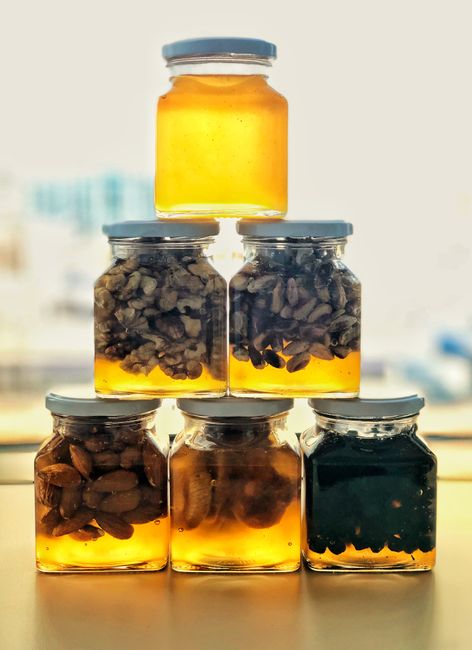
When purchasing from local sources, it’s beneficial to engage with the beekeeper, asking about their production methods and the floral sources of the honey. This direct interaction can provide greater assurance of the product’s authenticity.
6. Online Platforms
Many online platforms like Daraz, Metro, and Al-Fatah offer a variety of local honey brands. When shopping online, check user reviews and ratings to gauge the authenticity of the honey being sold. Look for sellers that provide detailed descriptions of their honey, including its source and production methods.
7. Farmers’ Markets
Farmers’ markets are excellent venues for finding authentic honey. They often feature local producers who are passionate about their product and can provide insights into their production processes. Additionally, buying from these markets supports local agriculture and ensures that you’re getting quality products.
8. Certifications and Labels
When selecting honey, look for certifications from local food authorities or organic certifications that indicate the product meets specific quality standards. Brands that are transparent about their sourcing and production methods are typically more trustworthy.
Local vs. Imported Honey: A Comparison
When it comes to honey, consumers often face the decision of choosing between local and imported varieties. Both have their unique characteristics, advantages, and disadvantages. Here’s a detailed comparison to help you make an informed choice:
1. Taste and Flavor
Local honey often reflects the flora of the region where it is produced, offering unique flavors that may vary by season and location. Imported honey, on the other hand, may have a more standardized taste due to mass production processes. If you’re looking for a specific flavor profile, local honey is usually the better option.
2. Nutritional Benefits
Local honey is believed to contain local pollens, which may help with allergies and provide a more potent health benefit for individuals in that area. Imported honey may lack these local pollens and could be processed differently, potentially losing some of its nutrients.
3. Price Considerations
Imported honey can be more expensive due to shipping and import taxes. Local honey is generally more affordable and can often be found fresher. However, premium local brands may also command higher prices, particularly if they emphasize organic or artisanal production methods.
4. Quality Assurance
While many imported honeys are regulated for quality, there is still a risk of adulteration, especially if the source is not well-known. Local honey producers often have more accountability in their community, making it easier for consumers to trust their products. Always check for certifications and reviews, whether buying local or imported.
5. Environmental Impact
Choosing local honey supports local economies and reduces the carbon footprint associated with transporting goods from abroad. Additionally, local beekeepers often engage in sustainable practices that benefit local ecosystems. Imported honey, while sometimes cheaper, may contribute to environmental costs due to transportation.
6. Availability
Local honey is generally easier to find in grocery stores, farmers’ markets, and specialty shops, while imported honey may be limited to larger retail outlets or online platforms. If you prefer the convenience of shopping, local options may suit you better.
Common Pitfalls to Avoid When Buying Honey
When shopping for honey, especially online, it’s crucial to remain vigilant to avoid common pitfalls that can lead to purchasing subpar products. Here are some key mistakes to watch out for:
1. Ignoring Labels
Many consumers overlook the importance of reading labels. Always check for information on the source and processing methods. Look for terms like “raw” or “unfiltered” for higher quality honey.
2. Falling for Marketing Gimmicks
Be cautious of brands that make exaggerated health claims. Honey is a natural product with health benefits, but no single product can cure diseases. Look for brands that provide evidence-based information.
3. Not Checking for Adulterants
As discussed previously, honey can often be adulterated. Make sure to research and verify the authenticity of the product, especially if it’s priced significantly lower than competitors.
4. Overlooking Customer Reviews
Online shopping provides access to customer feedback, which can be invaluable. Check reviews to see other consumers’ experiences with the product and seller.
5. Buying in Bulk Without Testing
While it may be tempting to buy honey in bulk for cost savings, it’s wise to first purchase a small quantity to test its quality. Ensure that it meets your taste and quality standards before committing to larger quantities.
6. Focusing Solely on Price
While price is an important factor, it shouldn’t be the only consideration. Cheaper honey may mean compromised quality. Balance your budget with the need for authenticity and health benefits.
Checklist for Buying Authentic Honey
To make your honey shopping experience smoother, here’s a handy checklist to ensure you’re purchasing authentic honey:
- Check the label for transparency about sourcing and production methods.
- Look for certifications from local food authorities.
- Choose brands known for quality and customer satisfaction.
- Read customer reviews and ratings for insights.
- Test with a small quantity before buying in bulk.
- Avoid overly cheap products that may indicate adulteration.
- Engage with local beekeepers or producers when possible.
- Be wary of extravagant health claims and focus on evidence-based benefits.
By following this checklist, you can enhance your chances of sourcing authentic honey that not only tastes great but also supports your health and well-being.