
Healthy Foods
The Ultimate Guide to Choosing the Best Dry Fruits for Health and Nutrition in Pakistan
Aug
Understanding the Nutritional Benefits of Dry Fruits
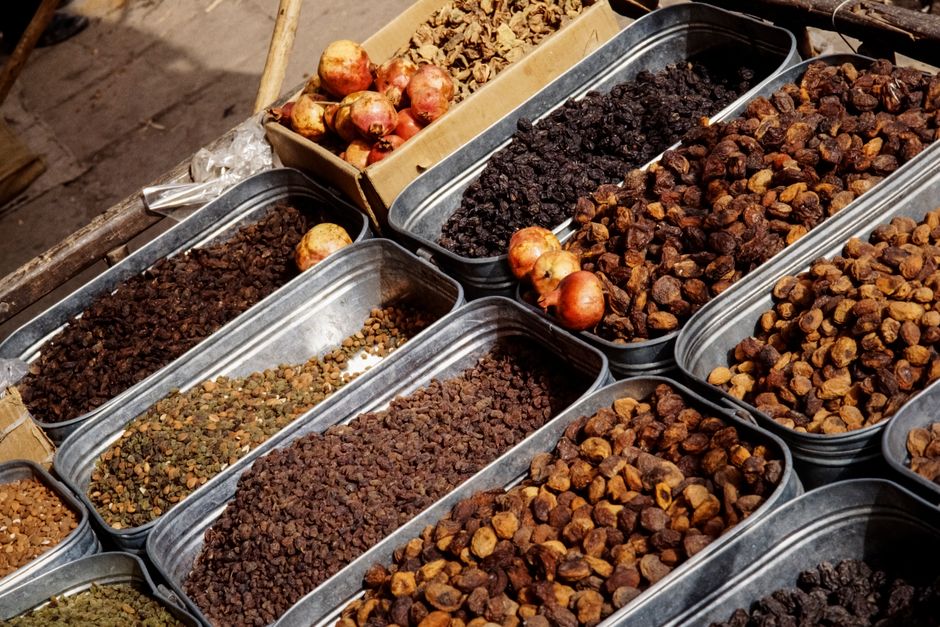
Dry fruits are not just delicious snacks; they are packed with essential nutrients and health benefits that can enhance your overall well-being. In Pakistan, dry fruits like almonds, walnuts, apricots, and raisins are widely consumed, each offering unique health advantages.
Almonds are rich in vitamin E, magnesium, and fiber, making them excellent for heart health and skin nourishment. Regular consumption can help lower cholesterol levels and reduce the risk of heart disease. Walnuts, on the other hand, are a great source of omega-3 fatty acids, which are crucial for brain health. They also contain antioxidants that combat oxidative stress and inflammation.
Apricots are loaded with vitamins A and C, potassium, and dietary fiber. They promote good vision and immune function. Raisins, often overlooked, are high in iron and antioxidants, making them beneficial for boosting energy levels and enhancing digestion.
Each type of dry fruit contributes to a balanced diet and supports various health functions. Incorporating a variety of these nutrient-dense snacks into your daily routine can help meet your nutritional needs while providing a tasty alternative to processed snacks.
{{IMAGE_1}}
In addition to these specific benefits, dry fruits are generally low in calories and high in nutrients, making them an excellent choice for those looking to maintain a healthy lifestyle. They are rich in dietary fiber, which aids in digestion and helps keep you feeling full longer. This makes dry fruits a smart snacking option for weight management.
Moreover, many dry fruits contain natural sugars, which provide a quick source of energy without the spikes in blood sugar associated with artificial sweeteners or processed sugars. This makes them suitable for athletes and individuals leading an active lifestyle.
How to Choose Quality Dry Fruits
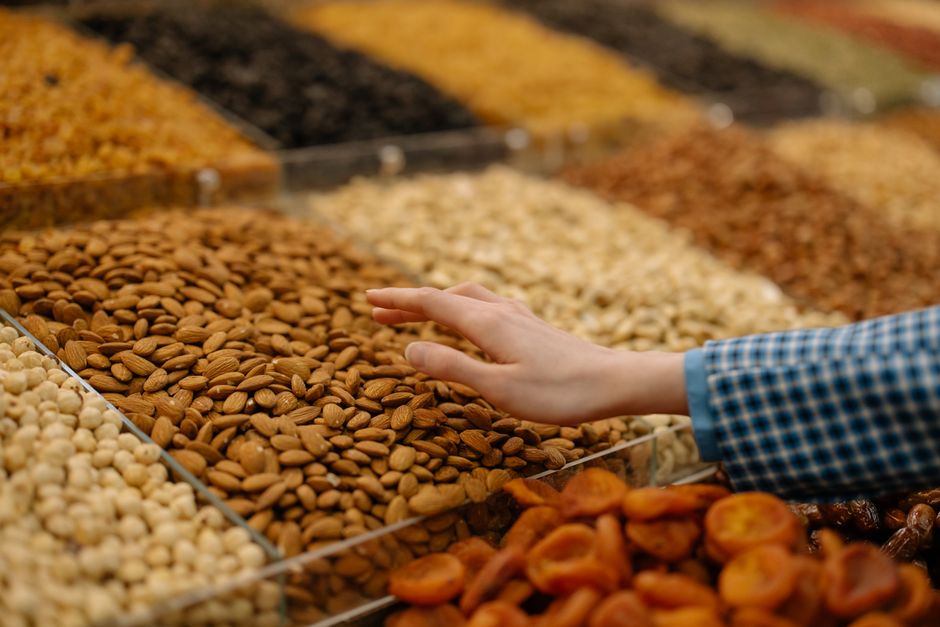
When it comes to buying dry fruits, quality is paramount. Here are some essential indicators to help you select the best products:
- Look for Freshness: Fresh dry fruits have a plump appearance and a natural sheen. Avoid products that look shriveled or have an off smell, as these may indicate staleness.
- Check the Packaging: Quality dry fruits are usually packaged in airtight containers or vacuum-sealed bags to preserve freshness. Always examine the packaging for any signs of damage or tampering.
- Read Labels Carefully: Opt for dry fruits with minimal added ingredients. Ideally, they should contain only the fruit itself, without added sugars, preservatives, or artificial flavors.
- Know the Source: Research the brand and origin of the dry fruits. Local products are often fresher and more sustainable than imported ones. Brands that provide transparency about their sourcing practices are usually more trustworthy.
Additionally, consider the color of the dry fruits. For example, high-quality dried apricots should be a vibrant orange, while raisins should be dark and glossy. Pale or overly shiny fruits may have been artificially colored or treated with preservatives.
It’s also wise to buy from reputable sellers, especially when shopping online. Look for customer reviews and ratings to gauge the quality of the products offered. Websites like ZarooriSaman.com provide detailed descriptions and sourcing information that can help you make informed decisions.

{{IMAGE_2}}
Another tip is to buy in bulk if you consume dry fruits regularly. This not only saves money but also ensures you have a steady supply of your favorite snacks. However, ensure that the storage conditions are optimal to maintain freshness and prevent spoilage.
Finally, be cautious of deals that seem too good to be true. Extremely low prices can sometimes indicate poor quality or expired products. Always balance price with quality when making your purchases.
Local vs. Imported Dry Fruits: A Comparison
When it comes to purchasing dry fruits, one of the major dilemmas faced by consumers in Pakistan is the choice between local and imported options. Each has its pros and cons, which can significantly influence your purchase decisions.
Local Dry Fruits
Local dry fruits, such as apricots, dates, and figs, are often fresher due to shorter transportation times. They are grown in various regions of Pakistan, including Swat, Hunza, and Baluchistan, where the climate is conducive for cultivating high-quality dry fruits. Additionally, supporting local farmers can contribute to the economy and promote sustainable practices.
- Pros:
- Fresher and often more flavorful.
- Lower shipping costs, making them more affordable.
- Supports local agriculture and economies.
- Cons:
- May have a shorter shelf life compared to imported varieties.
- Limited variety compared to international markets.
Imported Dry Fruits
Imported dry fruits, such as Californian almonds or Iranian pistachios, are often considered premium products. They may offer a wider variety and are typically processed with modern techniques, which can enhance their shelf life and appearance.

- Pros:
- Wider variety with consistent quality.
- Longer shelf life due to advanced processing.
- Often available in different packaging options.
- Cons:
- Higher prices due to shipping and import costs.
- Potential for lower freshness due to longer transport times.
Conclusion of Comparison
Ultimately, the choice between local and imported dry fruits depends on your personal preferences, budget, and the specific type of dry fruit you are looking for. If you value freshness and supporting local farmers, local dry fruits may be the better option. However, if you are after a specific variety or quality, imported dry fruits might be worth the investment.
Popular Types of Dry Fruits in Pakistan
Pakistan is home to a rich variety of dry fruits that cater to different tastes and nutritional needs. Understanding the most popular types can help you make informed purchasing decisions.
1. Dates
Known as “Khajoor” in Urdu, dates are a staple dry fruit in Pakistan. Rich in fiber and essential minerals, they are consumed widely during Ramadan and are often used in various desserts. Dates are also known for their natural sweetness, making them a healthy alternative to refined sugar.
2. Apricots
Local apricots, particularly from Hunza, are highly sought after. They are packed with vitamins A and C and are known for their antioxidant properties. Dried apricots can be enjoyed on their own or added to salads and smoothies for a nutritional boost.
3. Almonds
Almonds are a popular choice among health-conscious consumers. They are rich in healthy fats, protein, and vitamin E. Whether consumed raw or roasted, almonds make for a great snack that helps in weight management and heart health.
4. Walnuts
Walnuts are another nutritious dry fruit that is gaining popularity in Pakistan. They are known for their omega-3 fatty acids and are often added to salads, yogurt, or consumed on their own as a snack.

5. Raisins
Raisins, or dried grapes, are versatile and can be used in both sweet and savory dishes. They are high in iron and can be a great energy booster, making them a popular choice for athletes and fitness enthusiasts.
6. Pistachios
Pistachios are often considered a luxurious dry fruit. Known for their unique flavor and vibrant green color, they are rich in protein and fiber. They can be enjoyed as a snack or used in various desserts.
7. Figs
Figs are a lesser-known but highly nutritious dry fruit. They are rich in dietary fiber, which aids in digestion. Figs can be eaten on their own or added to oatmeal and salads for added flavor and texture.
Best Practices for Buying Dry Fruits Online
Online shopping for dry fruits can be convenient, but it also comes with its challenges. Here are some best practices to ensure you get the best quality products.
1. Research Reputable Sellers
Before making a purchase, research online retailers and check reviews from previous customers. Websites like ZarooriSaman.com offer a wide range of dry fruits with customer feedback that can guide your choice.
2. Check for Certifications
Look for sellers who provide certifications for quality and safety. This is particularly important for imported dry fruits, as they may be subject to different standards.
3. Pay Attention to Packaging
Quality packaging can indicate the freshness of the product. Look for vacuum-sealed or airtight packaging, which helps preserve the freshness and prevents moisture from spoiling the dry fruits.
4. Compare Prices
Don’t settle for the first option you see. Compare prices across different platforms to ensure you are getting a fair deal. However, be cautious of prices that seem too low, as they may indicate inferior quality.

5. Read Product Descriptions Carefully
Make sure to read the product descriptions thoroughly. Look for information on sourcing, processing methods, and any added ingredients (such as preservatives or sugars) that may not be desirable.
6. Look for Bulk Purchase Discounts
If you consume dry fruits regularly, consider purchasing in bulk. Many online retailers offer discounts for bulk purchases, which can result in significant savings over time.
7. Be Mindful of Delivery Times
Check the estimated delivery times, especially if you are purchasing for a specific occasion. Delays in delivery can affect your plans, so it’s best to order in advance.
Practical Applications and Storage Tips for Dry Fruits
Knowing how to store and use dry fruits can enhance their benefits and prevent waste. Here are practical tips to help you get the most out of your dry fruits.
1. Proper Storage
To maintain the freshness of dry fruits, store them in a cool, dry place away from direct sunlight. Airtight containers can also help prevent moisture absorption, which can lead to spoilage.
2. Use in Cooking
Incorporate dry fruits into your cooking for added flavor and nutrition. They can be used in curries, rice dishes, and even baked goods. For instance, adding chopped dates to your oatmeal can enhance sweetness while providing additional nutrients.
3. Snack Ideas
For a nutritious snack, consider creating your own trail mix. Combine various dry fruits with nuts and seeds for a healthy, energy-boosting snack that is also easy to take on the go.
4. Hydration Considerations
Because dry fruits can be dehydrating, it’s essential to drink plenty of water when consuming them. This can help aid digestion and prevent any potential discomfort.
5. Experiment with Pairings
Mix dry fruits with yogurt, cheese, or salads for a delightful combination of flavors and textures. Figs pair wonderfully with cheese, while raisins can elevate a simple green salad.
6. Make Homemade Energy Bars
Blend dry fruits with oats, nuts, and a natural sweetener (like honey) to create your own energy bars. This allows you to control the ingredients and cater to your taste preferences.
New Section: Considerations for Buying Premium Quality Dry Fruits
When shopping for dry fruits, particularly premium varieties, there are several factors to consider that can help ensure you are making a wise investment.
1. Origin and Sourcing
Understanding where your dry fruits come from can significantly affect their quality. Opt for brands that provide details on sourcing and production methods, as this can give you insight into their practices and product integrity.
2. Taste and Texture
High-quality dry fruits should have a rich flavor and a pleasant texture. If possible, sample a small quantity before making a larger purchase. Pay attention to any off-flavors or overly tough textures, which can indicate poor quality.
3. Nutritional Claims
Be cautious of brands that make exaggerated nutritional claims. While dry fruits are nutritious, not all brands can guarantee the same levels of vitamins and minerals. Look for third-party testing or certifications that back these claims.
4. Ethical and Sustainable Practices
Consider purchasing dry fruits from brands that prioritize ethical sourcing and sustainable practices. This not only benefits the environment but also supports fair trade practices, ensuring that farmers receive fair compensation for their work.

5. Seasonal Availability
Some dry fruits are seasonal, and purchasing them when they are in season can often yield better quality and prices. Keeping an eye on seasonal trends can help you make more informed decisions about when to buy.
6. Packaging and Transparency
Look for brands that are transparent about their packaging and processing methods. Eco-friendly packaging can be an indicator of a brand’s commitment to sustainability, while clear labeling can help you avoid unwanted additives.
7. Customer Service and Return Policies
Finally, consider the customer service provided by the seller. A trustworthy retailer should have a clear return policy and be responsive to customer inquiries. This can be crucial if you encounter any issues with your order.
Frequently Asked Questions
1. What are the most nutritious dry fruits available in Pakistan?
Some of the most nutritious dry fruits include almonds, walnuts, apricots, and figs. Each offers unique health benefits and can be easily incorporated into your diet.
2. How can I tell if dry fruits are of good quality?
Look for dry fruits that are plump, have a rich color, and show no signs of mold or excess dryness. Quality products typically have minimal additives.
3. Is it better to buy local or imported dry fruits?
Local dry fruits are often fresher and may offer better value, while imported ones can provide variety. Consider quality and sourcing practices when making your decision.
4. How should I store dry fruits to maintain their freshness?
Store dry fruits in a cool, dry place, ideally in an airtight container to prevent moisture and oxidation. Refrigeration can also help extend their shelf life.
5. Can I use dry fruits in cooking?
Yes, dry fruits are versatile and can be used in various recipes, including salads, desserts, and savory dishes, to add flavor and nutritional value.
6. Are there any potential allergens in dry fruits?
Some dry fruits may contain allergens, such as nuts. Always check labels for potential allergens, especially if you or someone in your family has food sensitivities.
