
Ladies Dresses
The Ultimate Guide to Buying Ladies Dresses in Pakistan: From Daily Wear to Party Styles
Jul
Introduction
Finding the perfect dress can sometimes feel like searching for a needle in a haystack, especially for Pakistani women navigating an array of styles and occasions. Whether you’re preparing for a wedding, a casual outing, or a formal event, understanding how to select the right dress makes all the difference. This guide walks you through the essentials of buying ladies’ dresses in Pakistan, covering everything from daily wear to party styles, ensuring you make informed purchases that reflect your personal style and suit your needs.
Why Buying the Right Dress Matters
In Pakistan, clothing is not merely about function; it also expresses cultural identity and personal style. The right dress can boost your confidence and help you feel comfortable in various social settings. With a rich tapestry of fabrics, designs, and styles available, it’s crucial to choose wisely to ensure your wardrobe meets both practical and aesthetic needs.
Understanding Dress Styles
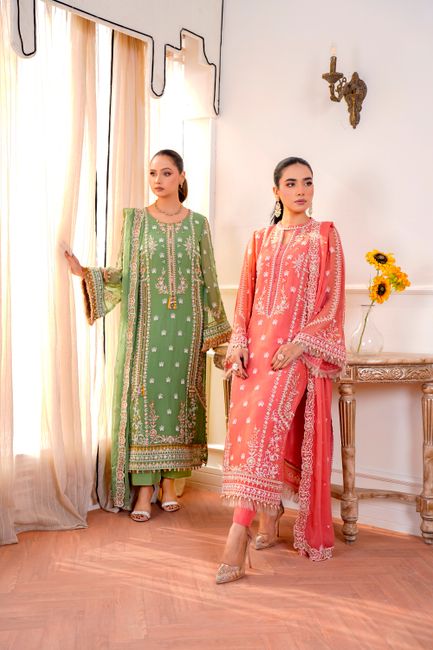
Before diving into the shopping process, it’s essential to familiarize yourself with the different styles available. Each design can cater to specific occasions and personal preferences.
Types of Dresses
- Maxi Dresses: Ideal for casual outings or beach trips, these long-flowing dresses offer comfort and style.
- Shalwar Kameez: A traditional choice, this outfit can be dressed up or down, making it versatile for various occasions.
- Party Dresses: Typically more embellished, these dresses are suited for formal gatherings and celebrations.
- Kurti: A shorter version of the shalwar kameez, perfect for pairing with jeans or trousers for a chic look.
- Evening Gowns: For high-end events, these elegant dresses are usually made from luxurious fabrics.
Choosing the Right Fabric
The fabric of a dress greatly influences its comfort, appearance, and suitability for different seasons.
Common Fabrics in Pakistan
- Cotton: Excellent for summer wear due to breathability and comfort.
- Lawn: A lightweight fabric perfect for hot weather, available in vibrant prints.
- Chiffon: Ideal for party dresses, this fabric drapes beautifully and adds elegance.
- Silk: Luxurious and smooth, silk is perfect for formal occasions but requires careful maintenance.
- Georgette: Similar to chiffon but slightly heavier, often used in evening wear.

Shopping for Dresses Online
The rise of e-commerce in Pakistan has made shopping for dresses more accessible than ever. However, buying clothing online comes with its challenges.
What to Look for When Shopping Online
- Size Charts: Always refer to the size chart provided by the retailer to ensure a proper fit.
- Return Policies: Check the return policy before making a purchase, ensuring you can return or exchange if needed.
- Customer Reviews: Reading reviews can highlight the quality and fit of the dress from previous buyers.
- Detailed Images: Look for websites that offer multiple images of the dress from different angles.
Common Mistakes to Avoid
While shopping for dresses, certain pitfalls can lead to dissatisfaction. Here are some to watch out for:
- Ignoring the Size Guide: Sizes can vary between brands; always check the specific size guide.
- Overlooking Fabric Information: Not all dresses are made equal; understanding the fabric can prevent discomfort.
- Neglecting Care Instructions: Some fabrics require special care; disregard can lead to damage.
- Rushing the Decision: Take time to consider your options; impulse buys often lead to regrets.
Expert Tips for Buying Ladies Dresses
To enhance your shopping experience, consider these expert tips:
- Know Your Body Type: Understanding what styles flatter your shape can help narrow down choices.
- Set a Budget: Determine how much you want to spend before shopping to avoid overspending.
- Seasonal Considerations: Choose fabrics and styles that suit the current weather conditions in your area.
- Mix and Match: Look for dresses that can be styled in multiple ways with different accessories.
- Stay Updated on Trends: Keep an eye on fashion trends, particularly during major shopping seasons in Pakistan like Eid and wedding seasons.
Comparison of Popular Dress Styles
| Dress Style | Occasion | Fabric Options | Price Range (PKR) |
|---|---|---|---|
| Maxi Dress | Casual | Cotton, Lawn, Chiffon | 1500 – 5000 |
| Shalwar Kameez | Everyday/Formal | Cotton, Silk, Georgette | 2000 – 10000 |
| Party Dress | Formal | Chiffon, Silk | 3000 – 15000 |
| Kurti | Casual/Work | Cotton, Lawn | 1000 – 3000 |
| Evening Gown | High-end Events | Silk, Satin | 5000 – 30000 |
FAQs
Which fabric is best for summer dresses in Pakistan?
Cotton and lawn are the best choices for summer dresses in Pakistan due to their breathability and comfort. They help keep you cool in the hot weather.
How do I check the quality of a dress before buying it online?
Look for detailed product descriptions, customer reviews, and high-quality images. Ensure the retailer provides information about the fabric and care instructions.
What are the current trends in ladies’ dresses in Pakistan?
Current trends include vibrant lawn prints for casual wear and embellished chiffon for formal occasions. Additionally, layering with jackets or shrugs is becoming popular.
How to style a simple dress for a party?
Elevate a simple dress with statement jewelry, a stylish handbag, and trendy heels. Adding a belt can define your waist, while a shawl or jacket can add sophistication.
What should I consider when buying a dress for a wedding?
Consider the wedding’s theme, the season, and your personal comfort. Opt for rich fabrics and colors that resonate with festive vibes while ensuring you can move comfortably.
Conclusion
Choosing the right dress in Pakistan involves understanding styles, fabrics, and the nuances of online shopping. By keeping in mind your preferences and the occasion, and by following expert tips, you can make informed decisions that reflect your style while ensuring comfort. Remember, the right dress not only enhances your appearance but also boosts your confidence, allowing you to shine in any event.
Seasonal Dressing: Adapting Your Wardrobe
In Pakistan, the climate can vary significantly from one season to another, making it essential to adapt your wardrobe accordingly. Here are some tips for seasonal dressing:
- Summer: Opt for lightweight fabrics like cotton and lawn. Bright colors and floral prints are popular choices that reflect the vibrancy of summer.
- Monsoon: Choose materials that dry quickly, such as polyester blends, and avoid fabrics that retain moisture. A-line or flared dresses can help you navigate puddles more easily.
- Winter: Layering is key. Consider wearing a fitted dress with a cardigan or a long coat. Fabrics like wool or heavier cotton blends keep you warm while maintaining style.
- Festive Seasons: During Eid or wedding seasons, look for dresses adorned with embroidery or embellishments. Rich fabrics like silk and chiffon are ideal for these occasions.
Accessorizing Your Dress: The Ultimate Finishing Touch
Accessories can make or break an outfit. Here are some tips for accessorizing your dresses effectively:
Jewelry
Keep it simple yet stylish. For casual dresses, opt for minimalistic pieces like stud earrings or delicate necklaces. For formal occasions, statement jewelry can elevate your outfit significantly.
Bags
Your handbag should complement your dress. For daytime, a tote or a crossbody bag is practical, while clutches work well for evening events. Consider the color and style of your dress when choosing a bag.
Shoes
The right pair of shoes can enhance your overall look. While flats are comfortable for casual outings, heels can add elegance to party dresses. Choose neutral colors that can match multiple outfits for versatility.
Understanding Online Reviews: Making Informed Decisions
When shopping online, reviews can provide insight into the quality and fit of dresses. Here’s how to read them effectively:
- Look for Detailed Feedback: Pay attention to comments about fit, comfort, and fabric quality. Detailed reviews often provide more valuable information than generic praise.
- Check for Photos: User-uploaded images can give you a realistic view of how the dress looks in real life, which can differ from professional photos.
- Consider the Reviewer: Reviews from users with a similar body type or style preferences can be more relevant to your shopping experience.
Budgeting for Your Dress: Finding the Best Deals
Staying within your budget while shopping for dresses can be challenging but rewarding. Here are some strategies:
- Set a Clear Budget: Determine how much you can spend before browsing. This helps prevent impulse buying.
- Shop Sales and Discounts: Look for seasonal sales, especially during Eid and wedding seasons, when retailers often offer significant discounts.
- Consider Quality Over Quantity: Investing in a few high-quality pieces can be more beneficial than buying multiple lower-quality dresses.
- Use Loyalty Programs: Many e-commerce platforms offer loyalty points or discounts for returning customers. Sign up to take advantage of these offers.
Local Designers vs. International Brands: Making the Right Choice
When selecting dresses, you may find yourself torn between local designers and international brands. Here are some points to consider:
- Support Local Talent: Purchasing from local designers not only supports the economy but often provides unique, culturally inspired pieces that reflect Pakistani heritage.
- Quality and Craftsmanship: Local brands often emphasize quality and craftsmanship, producing dresses that are tailored to fit the local climate and style preferences.
- Price Comparison: While international brands may carry a premium price tag, local brands can offer similar quality at a more affordable price. Always compare before purchasing.
Seasonal Trends: What’s In for 2024?
As fashion evolves, staying updated on seasonal trends is crucial for stylish dressing. Here’s what to look out for in 2024:
- Eco-Friendly Fabrics: With a growing emphasis on sustainability, look for dresses made from organic cotton and recycled fabrics.
- Vibrant Colors: Bold colors are making a comeback, with shades like royal blue and emerald green dominating the fashion scene.
- Layering Styles: Layered looks are in vogue, allowing for creativity in styling and adaptability for varying temperatures.
- Statement Sleeves: Dresses featuring puffed or balloon sleeves are trending, adding a dramatic flair to outfits.
Understanding Dress Lengths: A Comprehensive Guide
The length of a dress can significantly influence its style, appropriateness for occasions, and how well it complements your body shape. Here’s a breakdown of various dress lengths and their uses:
- Mini Dresses: These dresses typically fall above the knee and are ideal for casual outings or parties. They can showcase your legs and are perfect for summer events. However, ensure they are appropriate for the occasion.
- Midi Dresses: Falling between the knee and ankle, midi dresses are versatile and can be worn for both formal and informal occasions. They offer a balance of modesty and style, making them a popular choice for work and social gatherings.
- Maxi Dresses: These long dresses extend to the ankles or floor, providing a flowy and elegant appearance. They are perfect for weddings, evening events, or casual beach outings. The right fit and fabric can enhance comfort while maintaining style.
Choosing the Right Length for Your Body Type
Understanding your body type is essential when selecting dress lengths. Here are some tips:
- Petite Figures: If you’re shorter, mini and midi dresses can elongate your legs. Avoid overly long dresses that might overwhelm your frame.
- Tall Figures: Maxi dresses are often flattering for taller women, allowing them to embrace their height. Midi dresses can also work well, especially with a defined waist.
- Curvy Figures: A-line and wrap dresses in midi or maxi lengths can be flattering, drawing attention to the waist while providing coverage.
Color Psychology: Choosing the Right Color for Your Dress
The color of a dress can impact not only how you feel but also how others perceive you. Here’s a look at popular colors and their meanings:
- Black: Timeless and elegant, black dresses are synonymous with sophistication. They are perfect for formal events and can be easily accessorized.
- Red: Bold and passionate, red dresses make a statement. They are often favored for parties and special occasions as they can symbolize confidence.
- Pastels: Light colors like pink, lavender, and mint are ideal for spring and summer events, conveying a sense of freshness and femininity.
- Earth Tones: Colors like olive, rust, and beige are gaining popularity, especially in traditional wear, aligning with the current trend of sustainability.
Choosing Colors Based on Skin Tone
Selecting the right color based on your skin tone can enhance your appearance:
- Warm Skin Tones: Opt for colors like peach, coral, and warm shades of red. Gold jewelry complements these tones well.
- Cool Skin Tones: Blues, purples, and emerald greens are great choices. Silver jewelry tends to work best with these hues.
- Neutral Skin Tones: You can wear a variety of colors, but earthy tones and pastels often look particularly flattering.
Accessorizing Based on Dress Style
Accessorizing can elevate your dress from ordinary to extraordinary. Here’s how to pair accessories with different dress styles:
- Casual Dresses: Pair with minimalist accessories like simple studs and a crossbody bag. Casual sneakers or flats can complete the look.
- Formal Dresses: Opt for statement pieces such as chandelier earrings or a bold necklace. A clutch and elegant heels will enhance the overall elegance.
- Traditional Dresses: Pakistani traditional attire can be beautifully complemented with ethnic jewelry, like jhumkas and bangles, along with traditional footwear like khussas.
Color Coordination with Accessories
When accessorizing, color coordination is key:
- Monochromatic Looks: An all-one-color outfit can look chic when paired with accessories in the same color family, creating a seamless look.
- Contrasting Colors: For a bolder look, choose accessories in contrasting colors to your dress. For example, a red dress can pop with green accessories.
- Complementary Shades: Utilize the color wheel; for instance, blue dresses can be complemented with orange accessories for a vibrant contrast.
Care and Maintenance of Your Dresses
Taking care of your dresses ensures they last longer and maintain their beauty. Here are some expert tips:
- Read Care Labels: Always check the care labels for specific washing and drying instructions to avoid damage.
- Proper Storage: Use padded hangers for delicate fabrics and store dresses in a cool, dry place to prevent fading and damage.
- Stain Treatment: Treat stains promptly with the appropriate stain remover to avoid permanent marks.

