
Ladies Handbags
How to Choose the Right Handbag Based on Your Lifestyle Needs in Pakistan
Oct
Understanding Different Handbag Styles
Choosing the right handbag is essential not only for aesthetics but also for practicality. Handbags come in a variety of styles, each designed to serve specific functions and occasions. Understanding these styles can significantly enhance your shopping experience and help you make informed decisions.
Here are some popular handbag styles you should know:
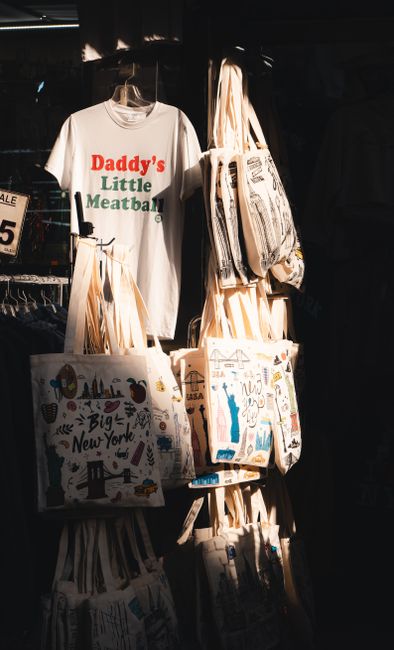
- Tote: Totes are spacious and versatile bags, perfect for daily use. They usually feature an open top and are ideal for carrying essentials like books, groceries, or even gym gear. Their casual design makes them suitable for both work and leisure.
- Crossbody: As the name suggests, crossbody bags are worn across the body and are great for hands-free convenience. They are usually smaller than totes, making them suitable for outings where you only need to carry essentials such as your phone, wallet, and keys. This style is particularly popular among travelers and busy urban dwellers.
- Clutch: Clutches are small, handheld bags that are perfect for formal events or nights out. They typically lack straps, emphasizing a sleek and elegant look. While they may not be practical for everyday use, they add a touch of sophistication to evening outfits.
- Shoulder Bag: These bags are designed with a single strap that rests on your shoulder. Shoulder bags come in various sizes and can be dressed up or down, making them suitable for both casual and formal occasions. They offer a balance between style and functionality, providing easy access to your belongings.
- Duffle: Popular for travel and gym use, duffle bags are spacious and often feature a cylindrical shape. They are excellent for carrying larger items and are usually equipped with a shoulder strap for convenience. While they are typically more casual, some designer duffles can be quite stylish.

Identifying Key Lifestyle Factors
When choosing a handbag, it’s critical to consider your lifestyle and the specific needs that come with it. Your handbag should complement your daily activities and be functional for your schedule. Here are key lifestyle factors to consider:
- Work: If you’re often in a professional setting, opt for a structured handbag that can hold your laptop, documents, and other essentials. Look for styles that convey professionalism, such as leather totes or sophisticated shoulder bags. Ensure they have enough compartments to keep your belongings organized.
- Travel: For travel enthusiasts, a bag that combines style with practicality is essential. Consider a crossbody or a spacious duffle that can hold your travel necessities while remaining easy to carry. A bag with anti-theft features and compartments for passports and tickets can also enhance your travel experience.
- Casual Outings: For everyday errands or casual outings, a versatile tote or a crossbody bag works well. Look for lightweight materials that won’t weigh you down. Pockets for organization and a durable design to withstand daily wear and tear are also important.
- Formal Events: When attending weddings, parties, or other formal gatherings, a stylish clutch or a chic shoulder bag can elevate your outfit. Choose materials and designs that match your attire, and consider having a few options for different occasions.
By taking these factors into account, you can ensure that your handbag not only fits your style but also meets your functional needs.
Assessing Quality and Materials for Durability
The quality of a handbag is often reflected in its materials and craftsmanship. Understanding how to assess these aspects can save you from making a regrettable purchase. Here are some materials commonly used in handbags, along with tips on how to evaluate their quality:
- Leather: Genuine leather is durable and ages beautifully, making it a popular choice for high-quality handbags. When evaluating leather, check for its suppleness and feel; it should feel soft yet sturdy. Look for full-grain leather as it retains the natural texture and provides longevity.
- Synthetics: Materials such as faux leather or nylon can be good alternatives, especially for casual or budget-friendly options. Ensure that the synthetic material is of high quality to avoid wear and tear. Check for seams and stitching; a well-constructed synthetic bag should show no signs of fraying or weak spots.
- Stitching Quality: High-quality handbags will have even and tight stitching. Look for reinforced seams in high-stress areas for added durability. If the stitching is loose or uneven, it may indicate a lack of quality control in manufacturing.
- Hardware: The buckles, zippers, and other hardware should be made of sturdy materials such as metal rather than plastic. Test zippers to ensure they glide smoothly, and check that any clasps or buckles function properly without wobbling.
By paying attention to these details, you can ensure that your handbag not only looks good but also stands the test of time.
Budgeting for Handbags and Understanding Value for Money
When it comes to purchasing a handbag, understanding how to budget effectively and evaluate value for money is crucial. The handbag market in Pakistan offers a wide range of options, from affordable local brands to high-end international labels. Here, we will explore how to navigate these choices without overspending while ensuring you get the best quality for your investment.
Setting Your Budget
Before you start shopping, it’s essential to set a clear budget. This helps narrow down your options and prevents impulse buying. Consider the following factors when determining your budget:
- Frequency of Use: If you plan to use the handbag daily, it may be worth investing in a higher-quality option that can withstand regular wear and tear.
- Occasion: For special occasions, you may want to allocate more funds for a statement piece, whereas a casual bag may not require as much investment.
- Brand Preference: Do you have a favorite local brand or an international name in mind? Some brands carry premium pricing that reflects their reputation and quality.
Understanding Value for Money
Value for money doesn’t always equate to the lowest price. In fact, sometimes spending a little more can save you money in the long run. Here’s how to ensure you’re getting value for your investment:
- Cost Per Wear: Calculate how often you’ll use the handbag. A more expensive bag that you use frequently may actually cost less per wear than a cheaper bag that you only use occasionally.
- Durability: Look for handbags that are made from high-quality materials (like genuine leather or sturdy canvas). A durable handbag will last longer, making it a better investment over time.
- Timeless Style: Opt for classic styles that won’t go out of fashion quickly. This way, you won’t feel the need to replace your handbag every season.
Comparing Prices
When shopping for handbags, especially online, it’s beneficial to compare prices across different platforms and stores. Here are some tips for effective price comparison:

- Online Retailers: Websites like Daraz, Imtiaz, and Metro often have sales and discounts. Keep an eye out for seasonal offers.
- Local Markets: Don’t overlook local markets where you can haggle for better prices. Places like Liberty Market in Lahore or Shah Alam Market can offer great deals on stylish handbags.
- Brand Websites: Sometimes, purchasing directly from a brand’s website can yield exclusive discounts or promotions. Sign up for newsletters to stay informed about upcoming sales.
Timing Your Purchase
Timing your purchase can also affect how much you spend. Here are some strategic tips:
- End of Season Sales: Many brands offer significant discounts at the end of a season to clear out inventory. This is a great time to snag a quality handbag at a reduced price.
- Festive Sales: Look out for promotional periods during major holidays and events like Eid, when retailers often provide special offers.
- Pre-Launch Events: Some brands might host pre-launch sales for new collections. Being part of these events can give you early access to trendy styles at lower prices.
Checklist for Budgeting and Value
Use the following checklist to ensure you’re making a well-informed purchase:
- Have I set a clear budget for my handbag purchase?
- Am I considering the durability of materials used?
- Is this handbag a timeless style that will last beyond seasonal trends?
- Have I compared prices across multiple platforms and stores?
- Am I timing my purchase to coincide with sales or discounts?
Common Mistakes in Handbag Selection and How to Avoid Them
Selecting the right handbag can be challenging, and it’s easy to fall into common traps that lead to regret after the purchase. Here are some of the most prevalent mistakes and how to avoid them:
Overlooking Practicality
One of the biggest mistakes is prioritizing style over functionality. While a handbag may look stunning, if it doesn’t meet your daily needs, it can quickly become an impractical choice. Consider the following:
- Size: Ensure the handbag is large enough to fit your essentials, such as your wallet, phone, and any other items you may need throughout the day.
- Organization: Look for bags with compartments or pockets to help you stay organized.
- Comfort: If you carry your handbag frequently, ensure it has comfortable straps or handles to avoid discomfort.
Ignoring Brand Reputation
Another common mistake is purchasing from unfamiliar brands without researching their reputation. This can lead to disappointment in quality and durability. To avoid this:
- Read Reviews: Check online reviews or testimonials from other customers to gauge the brand’s reliability and the quality of their handbags.
- Ask for Recommendations: Seek advice from friends or family who have experience with certain brands. They can provide insights into the pros and cons.
Failing to Test the Handbag
If shopping in-store, always test the handbag before buying. Here’s what to check:
- Weight: A handbag that is too heavy when empty can become cumbersome when filled with your belongings.
- Functionality: Open and close zippers, test clasps, and check pockets to ensure everything works smoothly.
Buying on Impulse
Impulse buying can lead to poor decisions. To counteract this:
- Take Your Time: Give yourself a cooling-off period before making a purchase. This helps you evaluate if the handbag is truly what you need.
- Make a List: Before shopping, create a list of features you want in a handbag. Stick to this list to avoid being swayed by trends or flashy designs.
Neglecting Care and Maintenance
Lastly, neglecting how to care for your handbag can lead to premature wear and tear. Familiarize yourself with the care instructions for the materials used in your handbag to preserve its appearance and durability.
How to Maintain and Care for Handbags
Proper maintenance and care are essential to prolonging the life of your handbag. Here are some practical tips to keep your handbag looking new for years to come:
Regular Cleaning
Different materials require different cleaning methods. Here’s a quick guide:
- Leather: Use a soft damp cloth to wipe off dirt. For deep cleaning, consider using a leather cleaner specifically designed for handbags.
- Canvas: Spot clean with mild soap and water, and let it air dry. Avoid submerging in water.
- Synthetic Materials: Often, a simple wipe with a damp cloth is sufficient. Check for specific cleaning instructions from the manufacturer.
Proper Storage
When not in use, store your handbag properly to maintain its shape and quality:
- Use Dust Bags: Keep handbags in their dust bags to prevent scratches and dust accumulation.
- Stuff with Paper: Stuffing your handbag with acid-free paper can help it maintain shape.
- Avoid Direct Sunlight: Store handbags away from direct sunlight to prevent fading and drying out of materials.
Handling and Usage Tips
How you handle your handbag can significantly affect its longevity:
- Avoid Overloading: Don’t overload your handbag beyond its capacity as this can lead to stretching and deformation.
- Keep Away from Sharp Objects: Be cautious of sharp items that may scratch or puncture the material.
- Rotate Your Handbags: If you have multiple bags, rotate them regularly to prevent wear and tear on a single bag.
Comparing Local vs. International Handbag Brands
When selecting a handbag, one key decision is whether to invest in a local brand or an international one. Each option has its unique advantages and disadvantages, particularly in the context of the Pakistani market.
Advantages of Local Brands
- Affordability: Local brands often offer more competitive pricing compared to international brands, making them accessible for various budgets.
- Cultural Relevance: Local brands may incorporate traditional designs and materials that resonate more with Pakistani culture, offering a unique touch.
- Support for Local Economy: Purchasing from local brands helps support the economy and local artisans, contributing to community development.
Advantages of International Brands
- Reputation for Quality: Many international brands have established reputations for quality and durability, often justifying their higher price points.
- Trendy Designs: International brands tend to be at the forefront of fashion trends, offering the latest styles and designs.
- Brand Recognition: Having a recognized international brand can elevate your fashion statement and provide a sense of prestige.
Things to Consider When Comparing
When deciding between local and international brands, consider the following:
- Quality vs. Price: Evaluate whether the higher price of an international brand aligns with the quality and durability it promises.
- Style Preferences: Determine which brand better aligns with your personal style and the types of occasions you’ll use the handbag for.
- Return Policy: Check the return policies for both local and international brands. Local brands may offer easier return processes.
Expert Tips for Selecting the Perfect Handbag
Finally, to wrap up your handbag selection journey, here are some expert tips to help you find the perfect handbag that fits your lifestyle:
Know Your Personal Style
Your handbag is an extension of your personal style. Spend some time identifying your preferences in color, material, and shape. This will make it easier to find a handbag that complements your wardrobe.
Consider Versatility
Look for handbags that can transition between different occasions. A bag that works for both casual outings and formal events can provide more value and utility.
Test Out the Fit
When trying on handbags, consider how they fit your body. A handbag should feel comfortable against your body and not overwhelm your frame. Stand in front of a mirror and assess the size and shape in relation to your overall look.
Don’t Forget the Details
Pay attention to small details, such as the type of closure (zipper, magnetic snap, etc.), the length of straps, and any embellishments. These can greatly affect both the functionality and aesthetic of the handbag.
Be Open to New Trends
Fashion is ever-evolving, and being open to new trends can help you discover unique styles that you may not have initially considered. Keep an eye on current handbag trends in Pakistan and be willing to experiment.
Consider Your Wardrobe
When selecting a handbag, it’s crucial to consider your existing wardrobe. A handbag should complement your outfits and enhance your overall style. Take stock of your clothing colors and styles—whether you lean towards casual, formal, or a mix of both. For instance, if your wardrobe is primarily neutral tones, investing in a bold-colored handbag can add a pop of color. Conversely, if you frequently wear vibrant patterns, a solid, understated handbag may work best.

Evaluate Functionality
Functionality is key when it comes to choosing the right handbag. Consider your day-to-day activities and how a handbag can accommodate them. Do you need ample space for work documents, or is it more about carrying essentials for a night out? For daily use, a tote bag or a spacious crossbody might be ideal. However, for formal events, a stylish clutch can elevate your look while keeping it practical. Ensure that the handbag has enough compartments and pockets to help you stay organized.
Quality Over Quantity
While it may be tempting to buy multiple affordable handbags, investing in a high-quality piece can save you money in the long run. Look for well-stitched seams, sturdy zippers, and durable materials. Brands like Al-Fatah and Metro often provide a good balance of quality and price, making them reliable choices. Additionally, check for warranty or return policies that can protect your purchase in case of defects.
Keep Seasonal Changes in Mind
In Pakistan, the climate can significantly influence your handbag choice. During the hot summer months, consider lightweight materials like canvas or synthetic leather that won’t weigh you down. For the winter season, opt for more structured bags that can withstand colder weather and maintain their shape. Additionally, keep in mind the festive seasons, such as Eid, when you might want to invest in a statement piece to complement your traditional attire.
Research Online Reviews
Before making a purchase, especially for online shopping, research customer reviews. Websites like Daraz and Imtiaz often feature user feedback that can provide insights into the handbag’s durability and functionality. Pay attention to comments regarding wear and tear, comfort, and overall satisfaction. This can help you make a more informed decision and avoid common pitfalls that other buyers have encountered.
Authenticity and Packaging
With an increase in counterfeit products, particularly for branded handbags, it’s essential to verify authenticity. When purchasing from local markets or online platforms, check the packaging for quality and branding. Genuine products typically come with branded dust bags, tags, and sometimes, authenticity cards. If a deal seems too good to be true, it probably is. Always buy from reputable sellers and check their return policies to safeguard your investment.
