
Healthy Foods
Dry Fruits Benefits: Which One is Best for Daily Use?
May
Understanding Dry Fruits
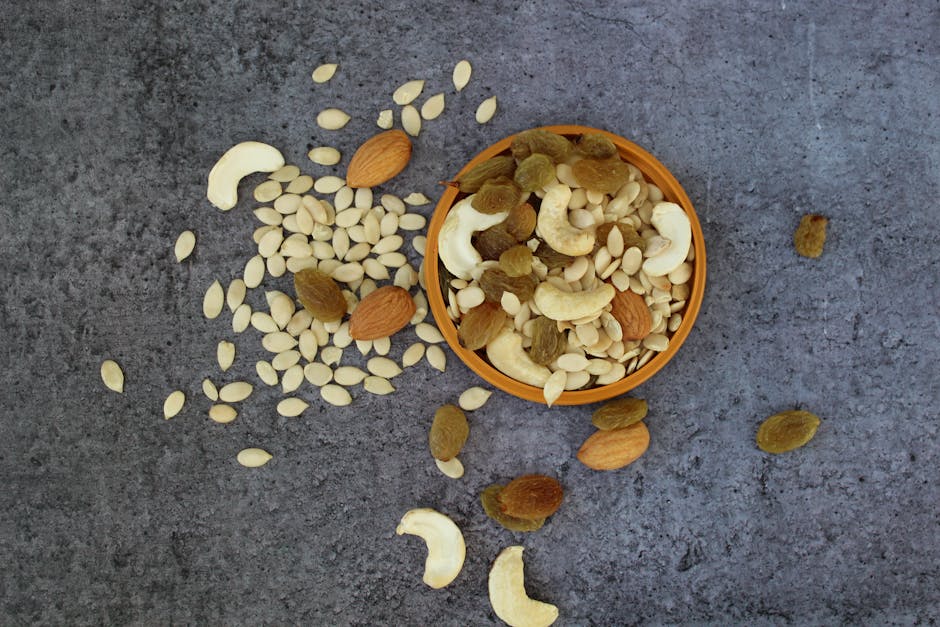
Dry fruits, often referred to as dried fruits or dehydrated fruits, are the fruits from which most of the water content has been removed. This can be accomplished through various methods, including sun drying, air drying, or using a dehydrator. The result is a nutrient-dense snack that retains the natural sugars and vitamins of the fruit while being lightweight and shelf-stable.
Why Focus on Dry Fruits?
With busy lifestyles, many people seek nutrient-dense options that are quick and easy to consume. Dry fruits not only provide concentrated nutrients but also deliver a punch of flavor. They can serve as nutritious snacks, additions to breakfast dishes, or enrichments to savory meals. Understanding the benefits of various dry fruits can help you choose the ones that best fit your daily routine and health needs.
Health Benefits of Dry Fruits
Incorporating dry fruits into your diet can have numerous health benefits:
- Rich in Nutrients: Dried fruits like apricots, figs, and raisins are packed with vitamins, minerals, and antioxidants that promote overall health.
- High in Fiber: Many dry fruits are high in dietary fiber, aiding digestion and contributing to bowel health.
- Natural Energy Boost: The sugars in dried fruits provide a quick energy source, making them perfect for pre- or post-workout snacks.
- Heart Health: Foods like dried cranberries and dates are known to support heart health through moderation of cholesterol and blood pressure.
- Bone Health: Dried fruits such as apricots and figs are calcium-rich, promoting stronger bones and improved bone density.
Best Dry Fruits for Daily Use
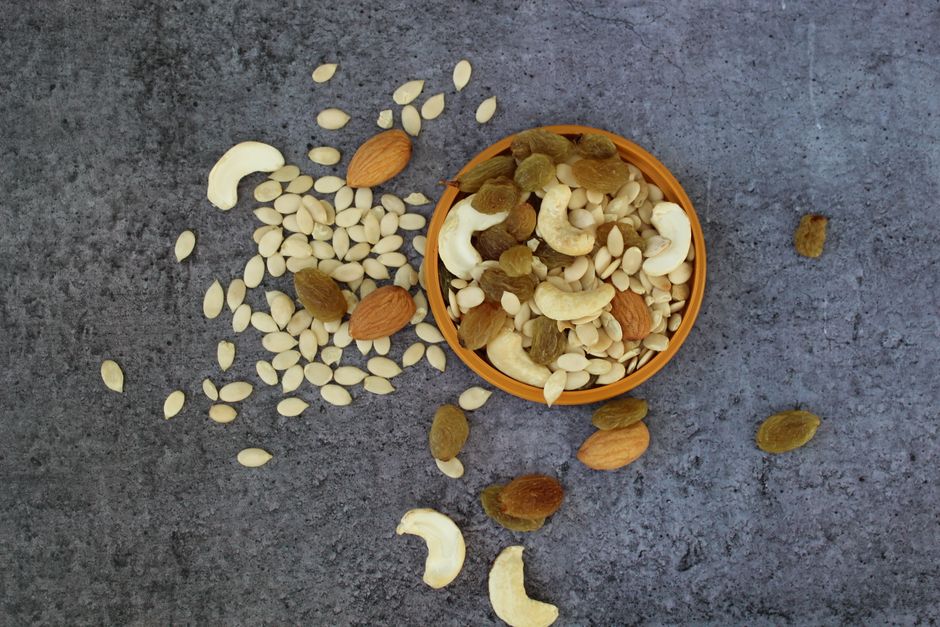
Choosing the right dry fruits for daily consumption involves understanding their unique benefits. Here’s a summary of some popular dry fruits and what they can offer:
| Dry Fruit | Main Benefits | Suggested Daily Use |
|---|---|---|
| Almonds | High in vitamin E and magnesium | Handful as a snack |
| Walnuts | Rich in omega-3 fatty acids | Two to three a day |
| Dried Apricots | Rich in vitamin A and iron | Three to four pieces daily |
| Raisins | High in antioxidants | Small handful with breakfast |
| Figs | Good source of calcium and potassium | Two to three a day |
Almonds
Almonds are not just delicious but also provide a rich source of vitamin E, magnesium, and healthy fats. They can improve heart health and are versatile enough to be added to salads, smoothies, or enjoyed alone. For daily intake, a handful can suffice to reap their benefits.
Walnuts
These are not only tasty but also packed with omega-3 fatty acids, which are vital for brain health. Incorporating two to three walnuts in your diet daily can support cognitive function and reduce inflammation.
Dried Apricots
Dried apricots are especially beneficial for those looking to boost iron intake while also enjoying a sweet treat. Rich in dietary fiber, they also assist with digestion. Consider three to four apricots as a delicious mid-morning snack.
Raisins
Raisins are incredibly versatile. They can be sprinkled on cereals, tossed into salads, or enjoyed as a quick snack. Apart from their antioxidant properties, they provide a source of quick energy with a small handful offering all you need for daily energy boosts.
Figs
Rich in calcium and potassium, figs are an excellent choice for promoting bone health. Their unique flavor pairs well with both sweet and savory dishes. Consuming two to three figs daily provides the necessary nutrients targeted at bone density.
Common Mistakes When Choosing Dry Fruits
When selecting dry fruits, there are several pitfalls to avoid that can affect your health benefits:
- Opting for Sugary Varieties: Many dried fruits are coated in sugar. Look for unsweetened options to maximize health benefits.
- Neglecting Portion Sizes: While they are healthy, dry fruits are calorie-dense. A small serving can be very satisfying, but overeating can lead to excessive calorie intake.
- Ignoring Storage Conditions: Proper storage is key to maintaining freshness. Store dry fruits in a cool, dry place in a sealed container to avoid spoilage.
- Inconsistent Choices: Stick to a variety of dry fruits for a broader nutrient profile. Relying solely on one type can lead to nutrient imbalances.

Expert Tips for Incorporating Dry Fruits
To get the most out of dry fruits, it’s essential to incorporate them thoughtfully into your diet. Here are some expert tips:
- Add to Breakfast: Toss a handful of dried fruits into your morning oatmeal or yogurt for added flavor and nutrition.
- Snack Wisely: Choose dried fruits over sugary snacks. Prepare small portions to avoid overeating.
- Enhance Your Recipes: Use dried fruits in savory dishes to add a unique flavor twist to salads, rice, or meat dishes.
- Pair With Nuts: Dry fruits and nuts complement each other well nutritionally and taste-wise. This combination can balance energy levels and provide sustained energy throughout the day.
FAQs
1. Are dried fruits healthier than fresh fruits?
While dried fruits are nutrient-dense and offer specific advantages like extended shelf life and convenience, they can be higher in sugar and calories than fresh fruits. Balance your intake of both types to enjoy their benefits.
2. How should I store dry fruits?
Store dry fruits in an airtight container in a cool, dark place or the refrigerator to maximize freshness and prevent spoilage.
3. Can I eat dried fruits if I’m trying to lose weight?
Yes, but moderation is key. Keep portion sizes small and integrate them into a balanced diet to support weight loss goals.
4. What dried fruits are best for energy boosts?
Dried apricots, bananas, and figs are great choices for a quick energy boost due to their natural sugars and nutrient content.
5. Can dried fruits cause digestive issues?
For some individuals, high fiber content in dried fruits can lead to digestive discomfort. It’s advisable to introduce them slowly into your diet and drink plenty of water.

Summary
Dry fruits are a compact source of nutrients, making them an ideal everyday snack for busy individuals. By understanding the specific benefits of each type and the best practices for incorporating them into your daily routine, you can maximize their health advantages and enjoy the rich flavors they offer. Whether you choose almonds for heart health, apricots for vitamin A, or figs for calcium, dry fruits can complement a balanced diet effortlessly.
