
Healthy Foods
The Benefits of Dry Fruits: Which One is Best for Daily Use?
May
Why Dry Fruits Matter
In a world of processed snacks filled with added sugars and unhealthy fats, dry fruits emerge as a powerhouse of nutrition. Not only are they tasty and convenient, but they also pack a serious nutritional punch for daily consumption. Understanding the benefits of dry fruits can help you make informed choices about your diet, and explore which ones might be the best companions for your health journey.
Benefits of Dry Fruits
Dry fruits come with numerous health benefits, making them a great addition to any diet. Here are some prominent advantages:
- Rich in Nutrients: Dry fruits like almonds, walnuts, and figs are loaded with vitamins, minerals, and antioxidants which support overall health.
- High in Fiber: They provide a good amount of dietary fiber, aiding in digestion and promoting a healthy gut.
- Energy Boost: The concentrated calories present in dry fruits offer a quick source of energy, making them perfect for a mid-day snack.
- Heart Health: Many dry fruits, especially walnuts and almonds, contain healthy fats that can assist in maintaining heart health.
- Weight Management: Despite their calorie density, dry fruits may aid weight control as they promote feelings of fullness.
Understanding Different Types of Dry Fruits
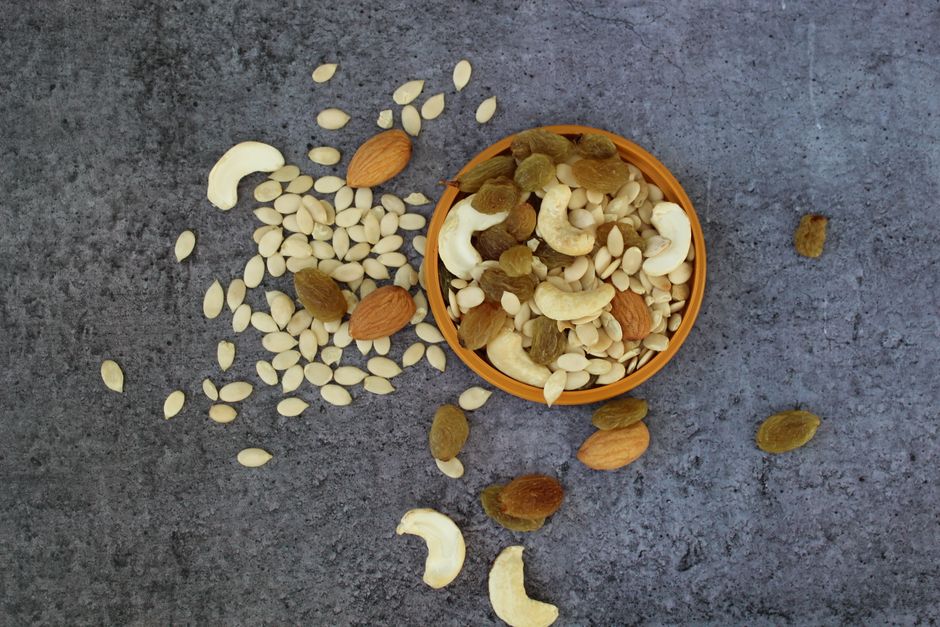
When considering dry fruits, it’s essential to distinguish among the various types available, each offering unique benefits.
1. Almonds
Almonds are rich in vitamin E, magnesium, and fiber. They are known to lower cholesterol and improve heart health. A handful a day can enhance cognitive functions.
2. Walnuts
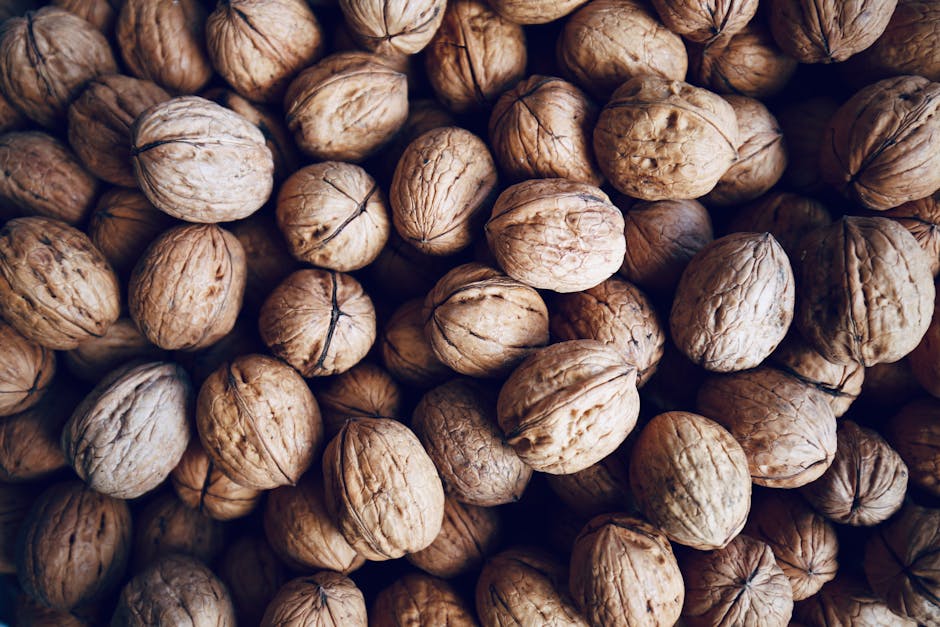
Walnuts are exceptional sources of omega-3 fatty acids, which support brain health. They are also linked to reduced inflammation and boosted heart health.
3. Cashews
Cashews are packed with iron, zinc, and magnesium. They are beneficial for skin health and are lower in fat compared to other nuts.
4. Raisins
Raisins are a great source of natural sugars and antioxidants. They support bone health due to their calcium content and help in regulating blood pressure.
5. Dates
Rich in fiber and essential minerals, dates are known for their natural sweet taste. They support digestive health and may help in energy replenishment post-exercise.
How to Include Dry Fruits in Your Daily Diet
Incorporating dry fruits into your daily routine doesn’t have to be a challenge. Here are some practical ways to enjoy them:
- Morning Smoothies: Blend a mix of your favorite dry fruits into your morning smoothie for added nutrition.
- Salad Toppings: Add chopped nuts or raisins to salads for a delightful crunch and sweetness.
- Healthy Snacks: Keep a small container of mixed dry fruits in your bag for a quick and healthy snack option.
- Baking: Incorporate chopped dry fruits into baked goods like cookies and muffins for enhanced flavor and nutrition.

Common Mistakes When Consuming Dry Fruits
While dry fruits are nutritious, certain mistakes can undermine their health benefits:
- Overconsumption: Due to their calorie density, eating too many can lead to unintended weight gain. Moderation is key.
- Buying Sugared Varieties: Some dry fruits come with added sugar, which can negate their health benefits. Opt for unsweetened versions.
- Not Checking Allergies: Always be aware of potential allergies, especially with nuts like cashews and almonds.
Expert Tips for Choosing and Storing Dry Fruits
Selecting and storing dry fruits correctly can enhance their longevity and nutritional value:
- Choose Organic: Organic dry fruits tend to be free from pesticides and additives.
- Store in a Cool, Dark Place: Exposure to light and heat can degrade their quality. Use airtight containers to keep them fresh.
- Consume Within a Reasonable Timeframe: While they have a long shelf life, consuming them within a few months can ensure maximum flavor and nutrients.
Comparison of Popular Dry Fruits
| Dry Fruit | Calories (per 100g) | Main Nutrients | Health Benefits |
|---|---|---|---|
| Almonds | 576 | Vit E, Magnesium | Heart health, Weight management |
| Walnuts | 654 | Omega-3, Antioxidants | Brain health, Anti-inflammatory |
| Cashews | 553 | Iron, Zinc | Skin health, Energy booster |
| Raisins | 299 | Calcium, Antioxidants | Bone health, Blood pressure regulation |
| Dates | 277 | Fiber, Potassium | Digestive health, Energy replenishment |
FAQs
What are dry fruits?
Dry fruits are fruits that have had most of their water content removed, typically through dehydration. This process concentrates their nutrients and sugars.
Are dry fruits healthier than fresh fruits?
While dry fruits are nutrient-dense and can offer longer shelf life, they also contain more calories per serving. Fresh fruits provide hydration, vitamins, and enzymes that can be lost in the drying process. Both can be healthy when consumed in balance.
How many dry fruits should I eat daily?
A handful (about 30-100 grams) of a variety of dry fruits is generally recommended as part of a balanced diet.
Can I eat dry fruits at night?
Yes, consuming dry fruits at night can be beneficial. They can support digestion and provide energy without the heaviness of a full meal.
Are there any side effects of eating dry fruits?
Excessive consumption may lead to weight gain or digestive issues due to high fiber content. Always eat in moderation and be mindful of allergies.
