
Ladies Handbags
Essential Care Tips for Maintaining Your Ladies Handbags in Pakistan

Aug
Understanding Different Handbag Materials and Their Care Requirements
When it comes to maintaining your ladies handbags, understanding the materials they are made from is crucial. Handbags can be crafted from various materials, each requiring specific care to ensure longevity and durability. In this section, we will explore three common materials used in handbags: leather, canvas, and synthetic materials.
Leather Handbags
Leather is a popular choice for handbags due to its timeless appeal and durability. However, it requires special care to maintain its aesthetic and functionality. Here are some care tips for leather handbags:
- Regular Cleaning: Use a soft, damp cloth to wipe off dirt and dust. Avoid soaking the leather as excess moisture can cause damage.
- Conditioning: Apply a leather conditioner every few months to keep the leather supple and prevent cracking.
- Water Protection: Consider using a leather protector spray to guard against water stains and damage, especially in humid climates.
Canvas Handbags
Canvas is another common material for handbags, known for its lightweight and casual style. While canvas is generally more durable than other fabrics, it can still get dirty easily. Here are some care tips:
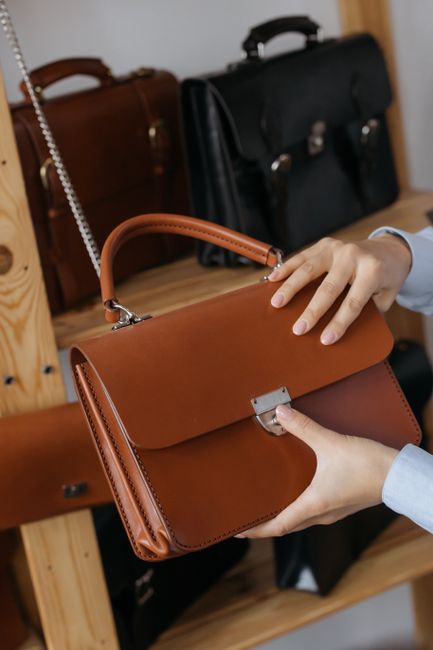
- Spot Cleaning: For small stains, use a mixture of mild soap and water, applying it with a soft cloth to avoid damaging the fabric.
- Avoid Excessive Moisture: While canvas can handle some moisture, too much water can lead to mold or mildew. Always dry your canvas handbag in a shaded area.
- Storage: Store your canvas handbags in a cool, dry place, preferably in a dust bag to protect against dust and dirt.
Synthetic Materials
Synthetic handbags, made from materials like nylon or polyester, are popular for their affordability and variety of designs. Caring for synthetic materials is relatively straightforward:
- Easy Cleaning: Most synthetic bags can be wiped clean with a damp cloth and mild detergent.
- Drying: Allow synthetic handbags to air dry completely before storing them to prevent any odors or mildew.
Understanding the material of your handbag is the first step in ensuring it lasts for years. With the right care, whether it’s leather, canvas, or synthetic, you can keep your handbags looking their best.
Local Climate Considerations for Handbag Care
The climate in Pakistan, characterized by extreme heat, humidity, and monsoon seasons, plays a significant role in how you should care for your handbags. Each of these elements can impact the integrity and appearance of your bags.
Heat
In many parts of Pakistan, the summer heat can be intense. High temperatures can cause materials, especially leather, to dry out and crack. It’s essential to keep your handbags away from direct sunlight and heat sources. Additionally, you should:
- Avoid Leaving Bags in Hot Cars: The temperature inside a parked car can soar, leading to irreversible damage.
- Use Breathable Fabrics: When choosing a handbag, consider breathable materials or those treated to withstand heat.
Humidity
Pakistan’s high humidity can lead to mold and mildew growth, especially on leather and canvas handbags. To combat this, consider the following tips:
- Store in Dry Areas: Keep your handbags in a dry, well-ventilated space.
- Regular Cleaning: Clean your bags regularly to prevent mold buildup. Use a breathable dust bag for storage.
Monsoon Season
The monsoon season can be particularly challenging for handbag care. Here are some strategies to protect your bags during this time:
- Waterproofing: Invest in a good quality waterproofing spray for leather handbags. For canvas bags, use a water-resistant product.
- Immediate Attention: If your handbag gets wet, dry it immediately with a soft cloth and avoid exposing it to direct heat.
By taking local climate conditions into account, you can effectively maintain your handbags and ensure they stay in excellent condition year-round.
Common Handbag Maintenance Mistakes to Avoid
Maintaining your handbags in pristine condition requires attention to detail and an understanding of common pitfalls. Here are some prevalent mistakes that handbag owners often make and how to avoid them:
Neglecting Regular Cleaning
One of the most frequent errors is failing to clean handbags regularly. Dust, dirt, and grime can accumulate over time, leading to discoloration and wear. Make it a habit to wipe down your bags with a soft, dry cloth after each use to keep them looking fresh.
Using the Wrong Cleaning Products
Not all cleaning products are suitable for every handbag material. For instance, using harsh chemicals on leather can damage its finish. Always check the manufacturer’s care instructions and opt for products specifically designed for the material of your handbag.
Ignoring Minor Damages
Small scratches or scuffs can worsen if left unattended. Instead of ignoring minor damages, address them promptly. Use a leather conditioner for leather bags or a fabric protector for canvas to help maintain their appearance and longevity.
Overloading Your Handbag
Carrying excessive weight can distort the shape of your handbag and strain its seams. Be mindful of the items you carry, and consider switching to a larger bag if you find yourself frequently overloading your current one.
Storing Handbags Improperly
Improper storage can lead to misshaping and damage. Avoid storing bags in direct sunlight or damp areas. Use dust bags and stuff them with acid-free paper to maintain their shape.
Failing to Rotate Handbags
Wearing the same handbag every day can lead to excessive wear. Rotating your bags allows each one to breathe and reduces the likelihood of developing permanent creases or damage. Try to switch bags every few days to give your favorite styles a break.
Not Considering the Weather
Ignoring weather conditions can be detrimental to your handbag’s health. Rain, humidity, and extreme heat can all affect the material’s integrity. Always check the forecast and prepare your handbag accordingly, using protective sprays or coverings when necessary.

Underestimating the Importance of Professional Care
Some handbags, especially high-end leather ones, may require professional cleaning and maintenance. If you notice significant wear or damage, consult a professional cleaner who specializes in handbags to restore them to their former glory.
Buying Fake Products for Care
Investing in low-quality cleaning or conditioning products can lead to more harm than good. Always purchase from reputable brands and retailers to ensure you’re using effective and safe products for your handbags.
Overlooking Seasonal Care Needs
Different seasons bring unique challenges for handbag care. For instance, in the monsoon, water resistance becomes crucial, while summer heat may necessitate additional conditioning to prevent drying out. Adjust your care routine according to the season to keep your bags in optimal condition.
Failing to Address Odors
Handbags can accumulate unpleasant odors over time, especially if they are used frequently. To combat this, periodically air out your bags and use odor-absorbing sachets or sprays designed for handbags to keep them smelling fresh.
Not Keeping an Eye on Hardware
The hardware on your handbag, such as zippers, clasps, and chains, can also show signs of wear. Regularly check for rust or tarnish and clean them appropriately. Lubricating zippers can also help them function smoothly.
Skipping Insurance for High-Value Handbags
If you own high-value handbags, consider insuring them. This can protect your investment against theft, loss, or significant damage. It’s a small price to pay for peace of mind.
Recommended Cleaning Products and Methods for Different Materials
Leather Handbags
For leather handbags, use a gentle leather cleaner that does not contain alcohol or harsh chemicals. A microfiber cloth is ideal for application. After cleaning, apply a leather conditioner to prevent cracking and maintain suppleness.
Canvas Handbags
Canvas bags are easier to clean but require specific care to avoid damaging the fabric. Use a mild soap mixed with water and a soft brush to scrub. Rinse with a damp cloth and let it air dry away from direct sunlight.
Suede Handbags
Suede requires special care to maintain its unique texture. Use a suede brush to remove dirt and stains, and consider using a suede protector spray to guard against water and stains. Avoid using water directly on suede, as it can cause staining.
Fabric Handbags
For fabric handbags, check the label for cleaning instructions. Many fabric bags can be machine washed; use a gentle cycle and a laundry bag to protect them. Always air dry to prevent shrinkage or damage.

Metal Hardware Care
For metal components, such as buckles and chains, clean them with a soft cloth. For tarnished metal, a dedicated metal polish can restore shine. Be cautious with the application to avoid contact with the handbag material.
Waterproofing Products
Consider investing in a quality waterproofing spray for leather and canvas handbags. This will create a protective barrier against water and stains, particularly useful during the monsoon season. Always follow the instructions and test on a small area first.
General Cleaning Supplies
- Microfiber cloths
- Soft-bristled brushes
- Leather conditioner
- Mild soap (for canvas and fabric)
- Suede brush
- Waterproofing spray
Recommended Brands
In Pakistan, brands like Saddle & Stitch offer quality leather care products, while Dr. Martens provides excellent options for canvas. Always look for well-reviewed products to ensure you’re making a reliable choice.
How to Store Handbags Properly to Prevent Damage
Using Dust Bags
Always store your handbags in dust bags when not in use. This helps prevent dust accumulation and protects against scratches. If your handbag didn’t come with a dust bag, consider investing in one or using a soft pillowcase as an alternative.
Keeping Shape with Stuffing
To maintain the shape of your handbags, especially larger or structured styles, stuff them with acid-free tissue paper or bubble wrap. Avoid using newspaper, as the ink can transfer onto the bag.
Storing in a Cool, Dry Place
Ensure your handbags are stored in a cool, dry environment. Avoid areas with high humidity, as this can promote mold growth. A closet is often a suitable location as long as it’s not overcrowded.
Avoiding Overexposure to Sunlight
Excessive sunlight can fade colors and dry out materials, especially leather. Position your handbags away from direct sunlight, or use UV-filtering covers if you display them.
Organizing Your Collection
If you have multiple handbags, consider organizing them by size or frequency of use. This will make it easier to access your favorites and ensure that each bag gets equal attention.

Regular Inspection
Periodically check your stored handbags for any signs of damage. Look for discoloration, mold, or signs of pests. Early detection can help prevent more significant issues down the line.
Using Silica Gel Packs
Incorporate silica gel packs in your storage area to absorb moisture. This is especially important in humid climates like Pakistan’s, where excess moisture can damage handbag materials.
Creating a Routine
Establish a routine for handbag care and storage, such as organizing and inspecting your collection every few months. This proactive approach will help you catch issues early and maintain your handbags’ quality over time.
Repair Tips for Minor Damages
Fixing Scratches on Leather
For minor scratches on leather handbags, use a leather repair kit that includes a color-matching dye. Clean the area around the scratch, apply the dye with a cotton swab, and allow it to dry before buffing.
Dealing with Scuffs
For scuffs, try using a soft eraser or a specialized leather scuff remover. Gently rub the scuff until it fades, and then apply a leather conditioner to restore shine.
Repairing Broken Hardware
If your handbag has broken hardware, such as a clasp or zipper, consider visiting a local cobbler or handbag repair shop. They can often replace hardware at a reasonable cost, saving you from needing to purchase a new bag.
Stitching Repairs
For handbags with frayed or loose stitching, you can use a needle and thread to make minor repairs. Choose thread that matches the bag’s color and be careful not to disrupt the surrounding fabric.
Reinforcing Weak Spots
Areas that experience more stress, such as handles or seams, can benefit from added support. Use fabric glue to reinforce these spots, which can help prevent future damage.
When to Seek Professional Help
For significant repairs, such as large tears or extensive damage, it’s best to consult a professional. They have the tools and expertise to restore your handbag effectively without causing further harm.
Maintaining a Repair Kit
Consider keeping a small repair kit handy with essential items like a needle and thread, leather conditioner, and cleaning supplies. Being prepared can help you address minor issues before they escalate into major problems.
Conclusion
Proper care for your leather handbags is essential for maintaining their beauty and functionality. By following these washing and conditioning tips, you can extend the life of your handbags and keep them looking stylish for years to come. Always invest in quality cleaning products and don’t hesitate to seek professional help for significant issues. Remember, your handbag is more than just an accessory; it’s an investment that deserves the best care.
FAQ
- How often should I condition my leather handbag? It’s recommended to condition every three to six months, depending on usage and climate.
- Can I use regular soap to clean my leather handbag? It’s best to use a mild soap, such as baby soap, to avoid harsh chemicals that can damage the leather.
- What should I do if my leather handbag gets wet? Gently blot the excess water with a cloth and let it air dry away from heat sources.
- How can I tell if my leather conditioner is good quality? Look for products that are pH balanced and specifically designed for leather care, and check reviews for effectiveness.
- Is it safe to store my leather handbag in a dust bag? Yes, using a dust bag is a great way to protect your handbag from dust and scratches while allowing it to breathe.
