
food
How to Choose the Best Healthy Snacks for Pakistani Families
Sep
Understanding Nutritional Criteria for Healthy Snacks
Choosing the right snacks for your family can be challenging, especially with so many options available in the market today. Understanding what makes a snack healthy is crucial for ensuring that your family consumes nutritious foods that support their overall health and well-being. In this section, we will explore the essential nutritional aspects to consider when selecting healthy snacks.
The first criterion to evaluate is the nutritional value of the snack. Healthy snacks should provide a good balance of macronutrients, including carbohydrates, proteins, and fats, along with essential vitamins and minerals. Look for snacks that are rich in whole grains, fruits, and vegetables, as these ingredients typically offer higher nutritional benefits. Avoid snacks that are high in added sugars and unhealthy fats, which can contribute to weight gain and other health issues.
Another important factor is the quality of ingredients. When reading labels, prioritize snacks made from natural, minimally processed ingredients. For instance, dry fruits, nuts, and honey are all excellent choices that not only taste good but also pack a punch in terms of nutritional content. These snacks are often rich in antioxidants, healthy fats, and dietary fiber, making them ideal for family snacking.

Additionally, pay attention to the caloric content of the snacks. While calories are essential for energy, it is important to choose snacks that provide substantial nutrition for the calories consumed. A snack with a high caloric count but low nutritional value may not be the best choice for your family’s diet. Aim for snacks that are filling and nutritious, helping to curb hunger without excessive calorie intake.
Popular Healthy Snack Options Available in Pakistan
Pakistan has a rich variety of healthy snack options that families can easily incorporate into their diets. Here are some popular choices that offer both taste and nutrition:
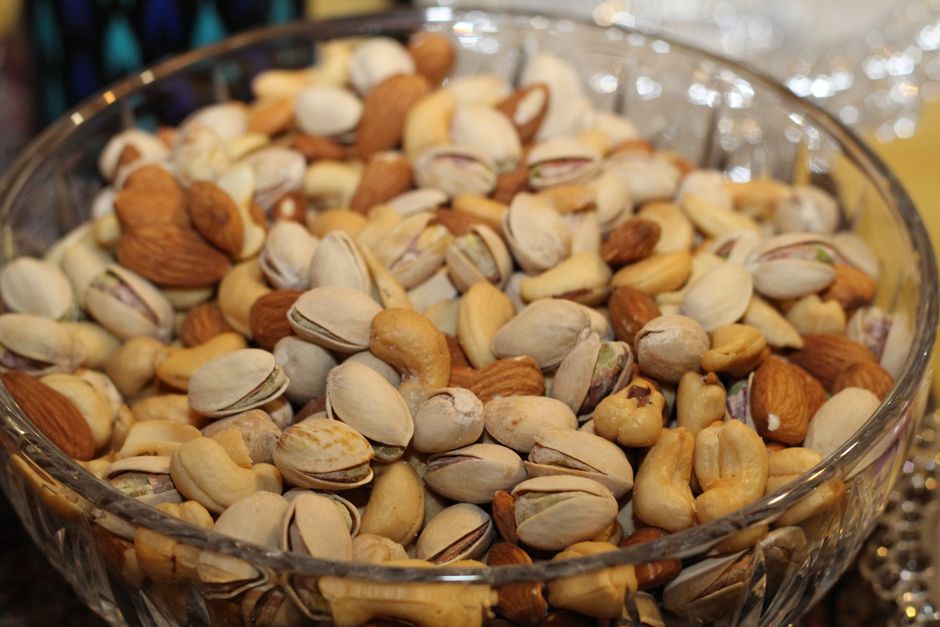
- Dry Fruits: Dry fruits such as almonds, walnuts, apricots, and figs are nutrient-dense options that provide healthy fats, protein, and fiber. They are perfect for snacking at home or on the go and can be easily found in local markets and online shops.
- Nuts: Similar to dry fruits, nuts like pistachios and cashews are excellent sources of healthy fats, protein, and essential vitamins. These snacks can be a great addition to a family’s diet, providing sustained energy throughout the day.
- Honey: Often used as a natural sweetener, honey also has numerous health benefits. It can be added to various snacks, such as yogurt or oatmeal, or enjoyed on its own for a quick energy boost. Look for organic honey to ensure quality.
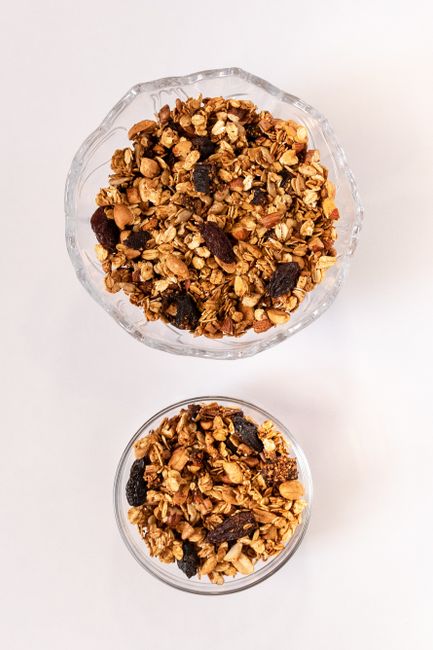
- Homemade Granola Bars: Making your own granola bars at home using oats, nuts, and natural sweeteners like honey can be an enjoyable activity for the family. These bars can be customized to suit various tastes and dietary needs.
Other popular options include fruit chaat, which combines various fruits with spices for a refreshing and nutritious snack. Families can also explore local markets for seasonal fruits that offer unique flavors and health benefits.
Comparing Dry Fruits, Nuts, and Processed Snacks
When it comes to healthy snacking, many families find themselves choosing between dry fruits, nuts, and processed snacks. Understanding the differences between these options is essential for making informed choices that prioritize health.
Nutritional Benefits: Dry fruits and nuts are known for their high nutritional value. They contain healthy fats, protein, and essential vitamins, making them a wholesome choice for your family. For instance, almonds are rich in vitamin E, while walnuts provide omega-3 fatty acids. These nutrients support various bodily functions, from brain health to heart health.
In contrast, processed snacks often contain high levels of sugars, unhealthy fats, and preservatives. While they may be convenient, they can lead to unhealthy eating habits and contribute to weight gain. Moreover, many processed snacks lack the essential nutrients found in natural alternatives.

Processed Snacks Drawbacks: One significant drawback of processed snacks is their potential to create a cycle of unhealthy eating. Because they are often designed to be hyper-palatable, families may find themselves consuming more than intended, leading to excess calorie intake without nutritional benefits. Additionally, many processed snacks are marketed as healthy but can be misleading due to their high sugar or sodium content.
Ultimately, the choice between dry fruits, nuts, and processed snacks should prioritize the health of your family. While it’s acceptable to enjoy processed snacks occasionally, focusing on natural options like dry fruits and nuts will provide greater long-term health benefits.
Buying Tips for Online Shopping in Pakistan
Online shopping offers convenience and a wide variety of choices, especially when it comes to healthy snacks. However, navigating the digital marketplace can be tricky. Here are some essential tips to ensure you make informed and beneficial purchases:
1. Choose Reputable Websites
Start by selecting well-known online platforms like Daraz, Metro, Imtiaz, Al-Fatah, and Naheed. These retailers are recognized for their quality products and reliable delivery services.
2. Check for Customer Reviews
Before making a purchase, look for customer reviews and ratings on the product page. Genuine feedback from other consumers can provide insights into the quality, taste, and nutritional value of the snacks you are considering.
3. Look for Certifications
Quality snacks often come with certifications such as Halaal, ISO, or organic. These certifications can indicate that the products meet certain health and safety standards, ensuring you’re getting a quality item.
4. Compare Prices
Different sellers may offer varying prices for the same product. Use comparison tools or simply check multiple listings to find the best deals. Additionally, keep an eye out for seasonal sales, which can provide significant savings.
5. Read Product Descriptions Thoroughly
Product descriptions often contain essential information regarding ingredients, nutritional facts, and storage instructions. Understanding these details can help you make informed decisions, especially if you have dietary restrictions or preferences.
6. Verify Return Policies
Before completing your purchase, review the seller’s return policy. This is crucial in case the snacks arrive damaged, expired, or not as described. A good return policy can provide peace of mind.
7. Opt for Bulk Purchases
If you find a healthy snack that your family loves, consider buying in bulk. This often leads to cost savings and ensures that you always have your favorite snacks on hand. However, ensure that the product has a long shelf life to avoid wastage.
8. Use Trusted Payment Methods
Choose secure payment options, such as credit/debit cards or trusted e-wallets. Avoid direct bank transfers to unknown sellers to protect your financial information.
9. Monitor Delivery Times
When ordering snacks, check the estimated delivery times. Some online retailers may offer same-day or next-day delivery, while others may take longer. Plan your orders accordingly to ensure you have your snacks when you need them.
10. Be Aware of Seasonal Variations
Many healthy snacks, particularly fresh produce, may vary in availability based on the season. For instance, dried fruits might be more accessible during harvest seasons. Keep this in mind when planning your purchases to ensure you’re getting the freshest options.
11. Take Advantage of Discounts and Coupons
Many online platforms offer promotional discounts, loyalty programs, or coupon codes. Sign up for newsletters or follow brands on social media to stay updated on the latest deals that can help you save on your healthy snack purchases.
12. Avoid Unnecessary Add-Ons
While shopping online, it’s easy to be tempted by related products or add-ons. Stick to your list of healthy snacks to avoid impulse buys that may not align with your health goals.
13. Keep an Eye on Expiry Dates
When purchasing snacks, especially those that are not shelf-stable, check the expiry dates to ensure freshness. If buying in bulk, prioritize items with the longest shelf life to minimize waste.
14. Personalize Your Search
Use filters and search terms to narrow down your options based on dietary needs (e.g., gluten-free, nut-free, vegan). This can save you time and help you find snacks that cater specifically to your family’s preferences.
15. Explore Local Brands
Don’t overlook local brands that may offer healthier alternatives at competitive prices. Supporting local businesses not only contributes to the economy but can also lead to discovering unique and authentic snacks.
16. Stay Informed About New Products
The market for healthy snacks is continually evolving, with new products emerging frequently. Keep an eye out for new launches and trends, which can provide exciting options for your family’s snacking habits.
Identifying Quality Products and Brands
When it comes to healthy snacks, the quality of the product is paramount. Here are essential tips to help you identify trustworthy brands and high-quality products:
1. Research Brand Reputation
Start by researching the brand’s history and reputation. Established brands with a long-standing commitment to quality and customer satisfaction are often more reliable. Look for brands that have a transparent sourcing and production process.
2. Examine Ingredients List
A high-quality snack should have a simple, recognizable ingredient list. Look for products that use whole foods and avoid those with excessive artificial additives, preservatives, or flavor enhancers.
3. Prioritize Nutritional Content
Check the nutritional information to ensure the snack aligns with your family’s health goals. Ideal snacks should be low in added sugars and unhealthy fats while being high in fiber, protein, and essential vitamins and minerals.
4. Look for Allergen Information
Brands should clearly indicate any allergens present in their products. If a snack contains nuts, gluten, or dairy, it’s crucial to ensure that it’s safe for all family members, especially those with allergies or intolerances.
5. Ask for Recommendations
Seek recommendations from friends, family, or social media groups focused on healthy eating. Personal testimonials can provide trustworthy insights and introduce you to brands that may not be widely advertised.
6. Trust Certifications
Certifications such as Halaal, organic, or non-GMO can enhance a product’s credibility. They often indicate that the product has undergone rigorous testing and meets specific standards for safety and quality.
7. Investigate Packaging
Quality snacks are often packaged in ways that preserve freshness and prevent contamination. Look for resealable bags or vacuum-sealed containers that indicate the brand’s commitment to maintaining the product’s quality.
8. Check for Transparency
Brands that are transparent about their sourcing, production methods, and nutritional information are often more trustworthy. Look for companies that provide detailed information on their websites about how their snacks are made.
9. Be Wary of Health Claims
Be cautious of products that make exaggerated health claims, such as “miracle” or “cure-all.” Instead, focus on products that provide substantiated information about their health benefits through credible sources.
10. Consider Price vs. Quality
While price is a factor, it’s essential to consider the quality of the products. Sometimes, paying a bit more for a high-quality snack can be more beneficial for your family’s health in the long run than opting for cheaper, less nutritious options.
Common Misconceptions About Healthy Snacks
In the quest for healthier eating, several misconceptions about snacks can lead families astray. Understanding the truths behind these myths can empower you to make better decisions for your family’s snacking habits.
1. All Snacks Are Unhealthy
A common misconception is that all snacks are unhealthy. In reality, many snacks can provide essential nutrients. The key is to choose wisely and focus on whole, minimally processed options.
2. Healthy Snacks Are Always Expensive
While some healthy snacks can be pricey, many affordable options are available. Buying in bulk, choosing local brands, or making snacks at home can help manage costs while still enjoying nutritious treats.
3. Low-Fat Equals Healthy
Many people mistakenly believe that low-fat snacks are automatically healthy. However, these products often contain added sugars or artificial ingredients to compensate for flavor. Instead, focus on whole foods that naturally contain healthy fats.
4. Dried Fruits Are Always Healthy
While dried fruits can be a nutritious option, they can also be high in added sugars and calories. Always check labels and opt for unsweetened varieties when possible to maximize health benefits.
5. All Processed Snacks Are Bad
Not all processed snacks are created equal. Some snacks, such as whole grain crackers or baked chips, can be healthier alternatives. The key is to read labels and choose options with minimal additives and whole ingredients.
6. You Can’t Snack and Lose Weight
Snacking doesn’t have to sabotage weight loss efforts. Healthy snacks can help control hunger and maintain energy levels throughout the day. Focus on portion sizes and nutrient-dense options to support your weight management goals.

7. Eating Healthy Snacks Means Giving Up Flavor
Healthy snacks can be just as tasty as their less nutritious counterparts. Experimenting with different flavors, textures, and combinations can lead to satisfying and delicious snack options without sacrificing health.
8. All Granola Bars Are Healthy
Many granola bars are marketed as healthy but can be high in sugar and low in nutrients. Always read the ingredients and opt for bars made with whole grains, nuts, and seeds without added sugars.
9. You Don’t Need Snacks If You Eat Meals
Snacks can play an important role in maintaining energy levels and preventing overeating at meal times. Healthy snacks can complement a balanced diet, especially for active families or growing children.
10. Organic Equals Healthy
While organic snacks may be free from certain pesticides and chemicals, they can still be high in sugars and unhealthy fats. Always evaluate the overall nutritional content rather than relying solely on organic labeling.
Incorporating Healthy Snacks into Family Routines
Integrating healthy snacks into your family’s daily routine can be both enjoyable and beneficial for everyone’s health. Here are some strategies to make healthy snacking a seamless part of your lifestyle:
1. Set a Snacking Schedule
Establish regular snack times throughout the day to help regulate hunger and maintain energy levels. This can prevent impulsive snacking and help the family look forward to enjoying nutritious treats together.
2. Involve the Family
Engage your family in the snack selection process by letting them choose healthy options at the grocery store or online. This involvement can increase their interest in trying new snacks and promote healthier choices.
3. Prepare Snacks in Advance
Set aside time each week to prepare healthy snacks. Portioning out items like nuts, fruits, or veggie sticks into grab-and-go bags can make it easier for family members to choose nutritious snacks throughout the week.
4. Create a Snack Station
Designate a specific area in your kitchen for healthy snacks. Stock it with a variety of options like fruits, nuts, and whole-grain snacks. Having a dedicated snack station can make healthy choices more accessible and appealing.
5. Make Snack Time Fun
Transform snacking into a fun activity by creating snack platters or arranging fruit in creative ways. Involving kids in the preparation can make them more excited about eating healthy snacks.
6. Pair Snacks with Beverages
Encourage hydration by pairing snacks with healthy beverages such as infused water or herbal teas. This can enhance the overall snacking experience and promote better hydration habits.
7. Be Mindful of Portions
Teach your family about portion control by encouraging them to serve themselves appropriate amounts. Use smaller bowls or containers to help manage portion sizes and avoid overeating.
8. Offer a Variety of Choices
Keep snack time interesting by rotating different healthy options. This rotation can prevent boredom and encourage family members to explore various flavors and textures.
9. Set a Good Example
Model healthy snacking behaviors by choosing nutritious options yourself. When children see adults making healthy choices, they are more likely to adopt similar habits.
10. Encourage Mindful Eating
Promote mindful eating by encouraging family members to enjoy their snacks without distractions, such as TV or smartphones. This practice can enhance their appreciation for food and help them recognize when they are full.
11. Use Snacks as Learning Opportunities
Use snack time to educate your family about nutrition, discussing the benefits of different ingredients and how they contribute to overall health. This knowledge can empower them to make better food choices.
12. Celebrate Healthy Snacking
Celebrate your family’s healthy snacking achievements. Whether it’s trying a new snack or sticking to a healthy routine, acknowledging these successes can motivate everyone to continue making nutritious choices.
Price vs. Value in Healthy Snacks
When shopping for healthy snacks, price and value are crucial factors to consider. Understanding the difference between the two can help families make smarter purchasing decisions:
1. Understanding Price vs. Value
Price refers to the amount you pay for a product, while value encompasses the overall benefits and quality you receive in return. A higher price does not always guarantee better quality, and vice versa.
2. Assessing Nutritional Value
When evaluating the value of a snack, consider its nutritional content. A snack that is slightly more expensive but packed with vitamins, minerals, and fiber may offer more long-term health benefits than a cheaper, less nutritious option.
3. Considering Portion Size
Sometimes, a larger package size may seem more expensive, but it can offer a better value per serving. Compare the price per unit to determine which option provides more value for money.
4. Evaluating Shelf Life
Snacks with a longer shelf life can be more cost-effective since they reduce waste. Consider investing in items that you can store for extended periods, particularly for bulk purchases.
5. Analyzing Brand Reputation
Reputable brands may charge more for their products, but they often ensure quality and safety standards. Investing in trusted brands can provide peace of mind regarding the health of your family.
6. Looking for Promotions and Discounts
Take advantage of promotions, discounts, or loyalty programs that may enhance the value of your purchase. Timing your purchases around sales can lead to significant savings.
7. Comparing Similar Products
When considering different brands of similar snacks, compare nutritional labels, ingredient quality, and pricing. This comparison can highlight which product offers the best balance of quality and cost.
8. Prioritizing Whole Food Snacks
Whole food snacks may seem pricier, but they often provide better nutritional value compared to processed snacks. Consider these as investments in your family’s health and well-being.
9. Understanding the Cost of Convenience
Convenience can come at a premium price. Pre-packaged snacks may be more expensive than homemade options. Assess whether the convenience is worth the additional cost for your family.
10. Making Informed Choices
Ultimately, making informed choices about price versus value in healthy snacks requires careful consideration of your family’s needs and preferences. Balancing cost with quality can lead to healthier snacking habits without breaking the bank.
