Mobiles
How to Choose the Right Power Bank: A Comprehensive Guide
Jun
Understanding the Importance of Power Banks
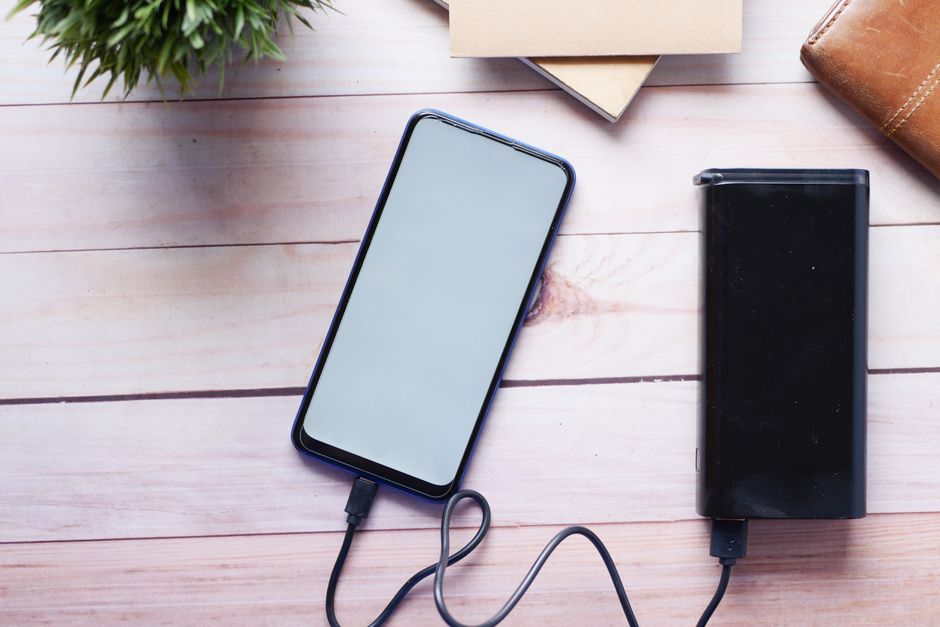
Power banks have become indispensable for many of us, especially when we rely heavily on smartphones, tablets, and other electronic gadgets that demand constant power. Gone are the days of being tethered to a wall outlet; power banks provide a level of freedom and convenience, ensuring that you can stay connected no matter where you are. Whether you’re traveling, commuting, or simply out for the day, the right power bank can be a lifesaver.
What to Consider When Choosing a Power Bank
Selecting the most suitable power bank can be overwhelming given the plethora of choices available in the market. Here are several crucial factors to help narrow down your options.
1. Capacity Measured in mAh
The capacity of a power bank is typically measured in milliampere-hours (mAh). This specification indicates how much energy the device can store. For instance, a 10,000 mAh power bank can charge a smartphone with a 2,000 mAh battery approximately five times.
- For light users (occasional phone usage), a capacity of around 5,000mAh is generally sufficient.
- Moderate users who frequently charge devices might prefer 10,000mAh to 20,000mAh.
- Heavy users or those needing to charge multiple devices simultaneously should look for power banks exceeding 20,000mAh.

2. Output Ports and Types
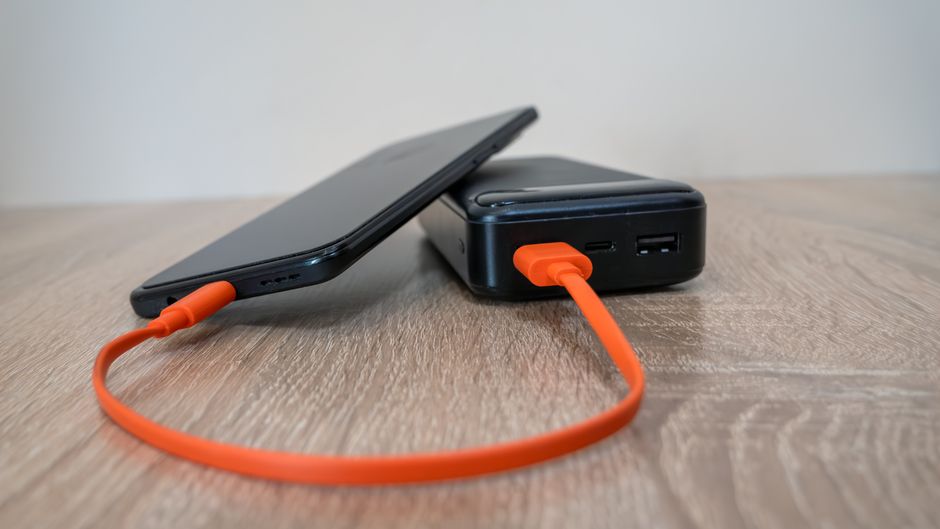
Consider the number and types of output ports. Most power banks offer USB-A or USB-C ports. If you have multiple devices, look for power banks with multiple output ports to charge them simultaneously.
- USB-A: Standard USB ports, suitable for most older devices.
- USB-C: Newer standard, capable of faster charging and often reversible.
Also, pay attention to the total output current (measured in amps). A higher output means quicker charging. Aim for at least 2.1A for fast charging options.
3. Size and Portability
Portability is crucial. Larger power banks with high capacity can be heavy and bulky. Assess how often you carry your power bank. For regular travel, lightweight models are more convenient, even if they offer slightly less capacity.
4. Material and Build Quality
Power banks come in various materials, including plastic and metal. Metal casings tend to be more durable but may add weight. Assess build quality, especially if you’ll be placing it in bags or pockets frequently.
5. Charging Speed
Charging speed is crucial, both for charging the power bank itself and for charging your devices. Look for power banks that support Quick Charge or Power Delivery standards, which can significantly reduce the time it takes to recharge devices.
Common Mistakes When Buying a Power Bank
Even seasoned shoppers can make missteps. Here are frequent pitfalls to avoid:
- Choosing too low a capacity: Underestimating your usage needs can lead to running out of power.
- Ignoring compatibility: Ensure the power bank supports your device’s charging specifications.
- Neglecting safety features: Prioritize power banks that include protection against overcharging, overheating, and short circuits.
- Overlooking warranty and customer service: A good warranty reflects product confidence and can be valuable should issues arise.
Expert Tips for Selecting a Power Bank
To make an informed choice, consider these expert insights:
- Check online reviews and ratings. Real user experiences can provide invaluable information.
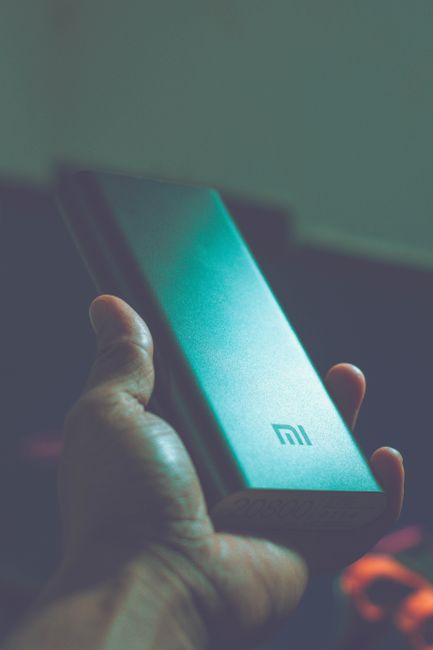
- Try holding the power bank if possible. Feel how it fits into your hand or bag.
- Look for brands with a good reputation. Trustworthy companies often stand behind their products.
Comparison of Popular Power Banks
| Brand | Capacity (mAh) | Output Ports | Charging Speed | Weight | Price |
|---|---|---|---|---|---|
| Anker PowerCore 10000 | 10,000 | 1 USB-A, 1 USB-C | 2.4A | 6.3 oz | $25 |
| RAVPower 26800 | 26,800 | 3 USB-A | 3.0A | 13.8 oz | $40 |
| Aukey 10000 | 10,000 | 1 USB-A, 1 USB-C | 3.0A | 7 oz | $30 |
FAQs
What power bank capacity do I need for my smartphone?
The ideal capacity depends on your phone’s battery size. If your phone has a typical battery of around 3,000mAh, a power bank with at least 6,000mAh will usually suffice to recharge it fully, accounting for some energy lost during transfer.
Can I use a power bank to charge a laptop?
Yes, if the power bank is designed for laptops, it must meet specific voltage requirements. Look for power banks with a minimum output of 20,000mAh and USB-C Power Delivery support for effective laptop charging.
How long does it typically take to charge a power bank?
This varies based on the power bank’s capacity and the type of charger used. A 20,000mAh power bank may take around 10-12 hours to charge fully with a standard charger.
Are there safety concerns with power banks?
Yes, there can be risks associated with poor-quality power banks, such as overheating or short-circuiting. Opting for reputable brands and those with built-in safety features can mitigate these risks.
Can I charge multiple devices at the same time?
Many power banks allow charging multiple devices through several output ports. However, this will affect the charging speed proportionately for each device based on the total available output.
Final Thoughts
Choosing the right power bank involves understanding your specific needs and matching them with the various options available in the market. By examining factors such as capacity, output ports, charging speed, and overall quality, you will empower yourself to make an informed decision. Don’t rush; take your time to evaluate offerings against your unique usage scenario to ensure you’re prepared for whatever life throws your way.