
Ladies Handbags
How to Properly Store and Protect Your Ladies Handbags: Essential Tips for Pakistani Shoppers
Sep
Understanding the Best Storage Conditions for Handbags
Storing your ladies handbags correctly is crucial to maintaining their quality and longevity. The best storage conditions revolve around three significant factors: temperature, humidity, and light exposure. Understanding these elements will help you create an optimal environment for your beloved accessories.
Temperature: Ideally, handbags should be stored in a cool, dry place with a consistent temperature. Extreme temperatures can cause materials to warp or degrade. For instance, leather can dry out and crack in overly hot conditions, while excessive cold can cause synthetic materials to become brittle. Aim for a temperature range of 18°C to 24°C (64°F to 75°F) for the best results.
Humidity: Humidity levels are just as important as temperature. High humidity can lead to mold and mildew growth, while low humidity can dry out leather and cause it to lose its shape. The ideal humidity level for handbag storage is between 40% and 60%. You can use a dehumidifier or silica gel packs in your storage area to maintain these levels.
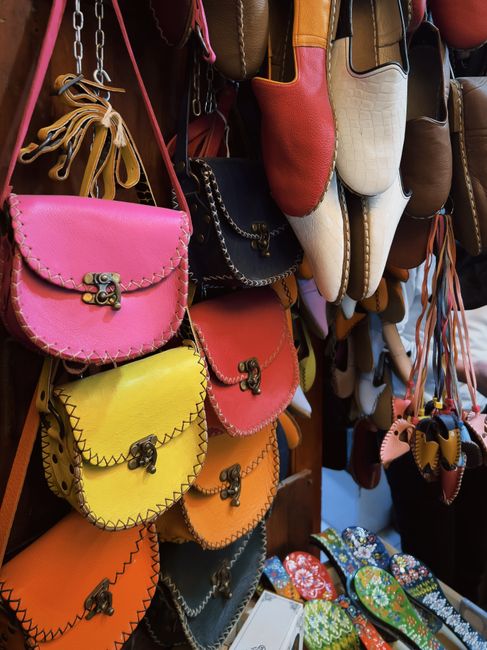
Light Exposure: Light, especially direct sunlight, can fade colors and damage materials. To protect your handbags, store them away from direct light. A dark closet or a dedicated storage box can work wonders in preserving their appearance. If you have a display case, consider using UV-filtering glass to minimize exposure to harmful rays.
Choosing the Right Storage Materials for Your Handbags
Once you understand the best storage conditions, the next step is selecting the right materials to protect your handbags. The right storage solutions can prevent dust accumulation, maintain shape, and reduce the risk of damage.
Dust Bags: Many handbags come with their own dust bags, which are often made of cotton or a similar breathable material. These bags are ideal for protecting handbags from dust and minor scratches. Always use these bags when storing your handbags, and make sure they are clean and dry before placing the bag inside.
Storage Boxes: For added protection, consider investing in storage boxes. Opt for boxes made of acid-free materials to prevent any chemical reactions that could damage the handbag. Clear boxes are also a great option, allowing you to keep an eye on your collection without exposing them to light. When using boxes, make sure to stuff your handbags with soft materials (like cotton or tissue paper) to help them maintain their shape.
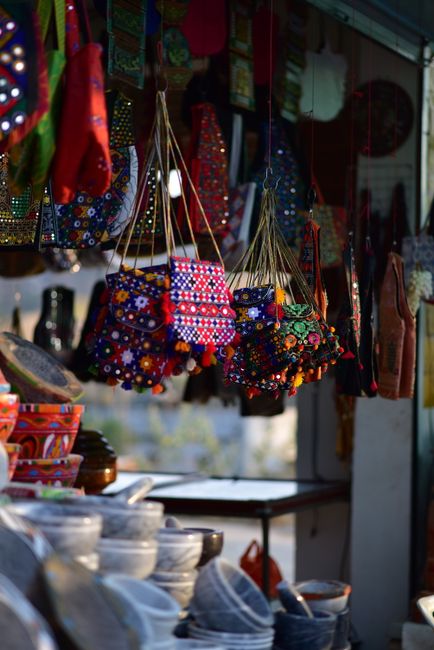
Breathable Materials: Avoid using plastic bags for long-term storage, as they can trap moisture, leading to mold growth. Instead, choose breathable materials that allow air circulation. If you decide to use plastic, make sure they are specifically designed for storage and have ventilation holes.
In comparing dust bags to boxes, dust bags are great for quick access and everyday use, while boxes provide superior protection and are better suited for long-term storage. Evaluate your space and collection to decide which option works best for you.
Regular Maintenance Tips for Handbag Care
Proper maintenance is essential to ensure the longevity and appearance of your handbags. Regular care can help avoid minimal wear and tear, keeping your favorite pieces looking new for years to come. Here are some essential tips for maintaining your handbags:
Cleaning Your Handbag
Regular cleaning is crucial for preventing dirt and grime buildup. Depending on the material of your handbag, the cleaning method may vary:
- Leather Handbags: Use a soft, damp cloth to wipe down the surface. For deeper cleaning, apply a leather cleaner recommended by the manufacturer. Always follow up with a leather conditioner to keep the leather supple.
- Fabric Handbags: Check the care label first. Most fabric bags can be spot cleaned with a mild detergent and water. For machine-washable bags, use a gentle cycle and air dry to maintain shape.
- Suede Handbags: Use a specialized suede brush to remove dirt. Avoid water, as it can stain suede. Instead, consider using a suede protector spray before use.
Conditioning and Protecting Materials
In addition to cleaning, conditioning is vital, especially for leather handbags. Conditioning helps to restore moisture and prevent cracking:
- Choose a high-quality leather conditioner that suits your handbag’s material.
- Apply the conditioner sparingly with a soft cloth, focusing on areas that show wear.
- Consider using water and stain repellents for fabric and suede bags to protect against spills and stains.
Storing Handbags Properly
Even with regular use, proper storage plays a significant role in maintaining your handbag’s condition:
- Always store handbags in a dust bag or box when not in use to protect from dust and light exposure.
- Keep handbags in a cool, dry place, away from direct sunlight, which can fade colors and weaken materials.
- Use stuffing like bubble wrap or acid-free tissue paper to maintain shape and prevent collapsing.
Monthly Inspection
Make it a habit to inspect your handbags monthly. Look for:
- Loose threads or seams that may need reinforcement.
- Scuff marks or scratches that might require cleaning or conditioning.
- Hardware issues, such as zippers or clasps that may need lubrication or tightening.
Seasonal Maintenance
Seasonal changes can affect your handbags, especially if they are made of delicate materials. Consider the following:
- In the monsoon season, avoid using leather bags outdoors to prevent water damage.
- During summers, keep handbags in a shaded area to avoid fading from prolonged exposure to sunlight.
- For winter, ensure that your bags are free from snow and salt residues, which can be damaging.
Handling with Care
How you handle your handbag can make a significant difference in its longevity:
- Avoid overloading your handbag with heavy items, which can strain the seams and handles.
- When placing your handbag down, avoid rough surfaces that can scratch or scuff the material.
- Always use both hands when putting on or taking off your handbag to distribute weight evenly and prevent accidental drops.
By incorporating these regular maintenance tips into your routine, you can significantly extend the life of your handbags and keep them looking fabulous for many seasons to come.
Signs of Damage to Watch for in Your Handbags
Even with proper maintenance and storage, handbags can still succumb to wear and tear. It’s crucial to know the signs of damage early on to prevent further deterioration. Here are some common indicators to watch for:
1. Scratches and Scuffs
Inspect your handbag regularly for scratches or scuffs, especially on leather and synthetic materials. While minor scratches can sometimes be polished out, deep ones may require professional repair. If you notice scuffs, clean the area gently with a suitable cleaner and use a conditioner to restore some of the lost sheen.
2. Loose Threads and Stitches
Check the seams and stitching for any loose threads or fraying. If you find any areas where the stitching has come undone, it’s essential to address this immediately. A simple sewing kit can often do the trick for minor repairs, but for high-end bags, consider taking it to a professional.
3. Discoloration or Fading
Over time, exposure to sunlight and humidity can cause your handbag to fade or change color. If you notice any discoloration, it’s a sign that your handbag may need more protective care. Consider using UV protectant sprays specifically designed for handbags to minimize future fading.
4. Water Damage
Water stains can be particularly damaging, especially on suede or untreated leather. If your handbag gets wet, dry it immediately with a soft cloth and let it air dry away from direct heat. If you notice water spots, try using a specialized cleaner designed for your handbag’s material.
5. Odors
Unpleasant odors can develop from moisture, spills, or neglect. If your handbag starts to smell, empty it out and clean the interior thoroughly. Consider using odor-absorbing products like baking soda or activated charcoal, which can help eliminate unwanted smells.
6. Hardware Issues
Inspect the zippers, clasps, and other hardware for any signs of rust or malfunction. A stuck zipper or broken clasp can make your handbag unusable. Regularly lubricate zippers with a wax or a specialized lubricant to ensure they operate smoothly.
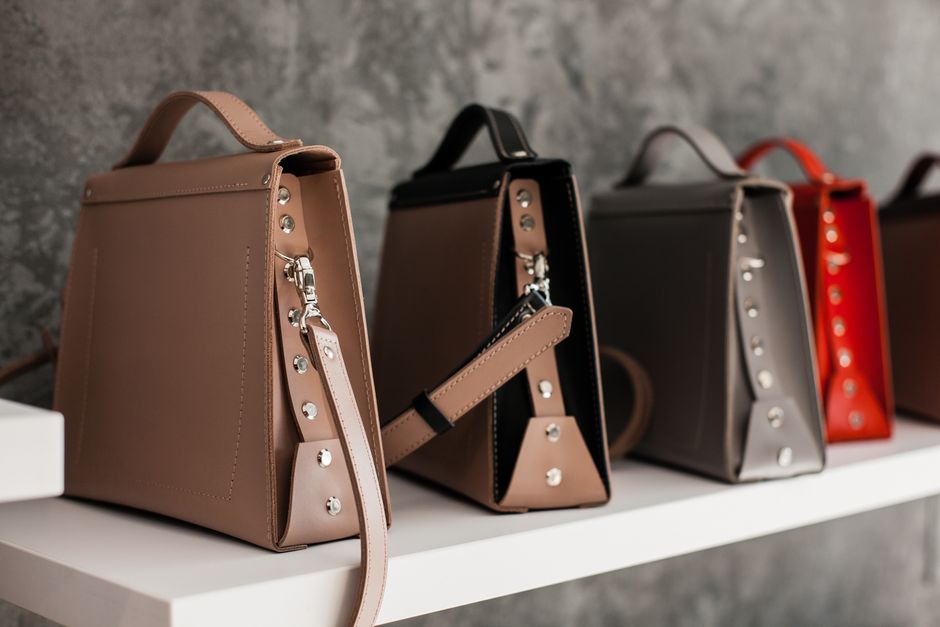
7. Loss of Shape
A quality handbag should maintain its shape. If it begins to sag or lose its form, it may need more structured storage solutions. Consider using purse inserts or stuffing it with soft materials when storing to help retain its shape.
8. Interior Damage
Don’t forget to check the interior of your handbag for any signs of wear. Look for fabric tears or stains that can accumulate over time. A gentle cleaning with fabric-safe products can help maintain the interior’s condition.
9. Unusual Noises
If you hear unusual noises, such as rattling or clicking, when you move your handbag, it could indicate loose components or damaged hardware. Address these issues promptly to prevent further damage.
10. Unstable Base
For handbags with a structured base, ensure that it remains stable. If the base starts to warp or become uneven, it may indicate that the materials are breaking down, necessitating a re-evaluation of your storage methods.
By regularly inspecting your handbags for these signs of damage, you can take swift action to maintain their condition and longevity.
Product Recommendations for Handbag Protection and Storage
Investing in the right products can make a significant difference in extending the life of your handbags. Here are some highly recommended items that every handbag owner should consider:
1. Dust Bags
Using dust bags is a simple yet effective way to protect your handbags from dust and light exposure. Opt for breathable fabric dust bags, as they allow air circulation while keeping dirt at bay. Many high-end handbags come with their own dust bags, but you can find affordable alternatives online.
2. Purse Inserts
Purse inserts are invaluable for maintaining the shape of your handbags. They come in various sizes and materials, providing extra support and organization inside. Look for inserts made from lightweight, durable materials that won’t add unnecessary bulk.
3. Leather Conditioners
Invest in a high-quality leather conditioner to keep your leather handbags supple and prevent cracking. Choose a product that is suitable for the specific type of leather your handbag is made from. Regular conditioning can help maintain the appearance and extend the life of your handbag.
4. Cleaning Kits
Purchase a cleaning kit that is specifically designed for your handbag’s material. For instance, many leather cleaning kits include a cleaner, conditioner, and protective spray. Ensure that you read the instructions carefully to avoid damaging your handbag.
5. Water Repellent Spray
Applying a water-repellent spray can help protect your handbag from water damage. Look for sprays that are safe for the material of your handbag and provide long-lasting protection. Regular application can help prevent stains and water spots.
6. Felt Storage Boxes
If you have multiple handbags, consider investing in felt storage boxes. These boxes provide structure and protection while allowing you to stack and store your handbags efficiently. Ensure that the boxes are breathable to avoid trapping moisture.
7. Silica Gel Packs
Including silica gel packs in your handbag storage can help absorb excess moisture, preventing mold and mildew growth. These packs are inexpensive and can be easily replaced as needed. Be sure to check them periodically to ensure they’re still effective.
8. Professional Repair Services
For high-end handbags or those with significant damage, consider using professional repair services. Many local cobblers and specialty shops offer handbag repair services that can restore your bag to its original condition. Investing in professional care can extend the life of your handbag significantly.

By utilizing these products, you can ensure that your handbags remain in excellent condition, ready to be showcased for any occasion. Investing in quality storage solutions and protective products will ultimately save you money in the long run by prolonging the lifespan of your cherished pieces.
Investing in Quality Storage Solutions
Investing in quality storage solutions is essential for maintaining the integrity of your handbags. While it might seem tempting to cut costs on storage materials, the long-term benefits outweigh the initial investment. Here are some key considerations:
- Durability: High-quality storage solutions, such as sturdy boxes or breathable dust bags, can withstand wear and tear better than cheaper alternatives.
- Protection against Elements: Quality materials protect your handbags from dust, moisture, and UV rays, which can cause fading and deterioration.
- Reusability: Investing in premium storage options means you won’t have to replace them frequently, leading to savings over time.
Consider brands known for their durable storage products, which can often be found online or at local retailers like Al-Fatah or Metro. Look for customer reviews and ratings to ensure that you’re making a wise purchase.
Comparative Analysis of Different Handbag Materials and Their Care Needs
Understanding the materials of your handbags is crucial when selecting the right storage solutions and maintenance products. Here’s a brief comparison of common handbag materials and their specific care needs:
| Material | Storage Needs | Maintenance Tips |
|---|---|---|
| Leather | Store in a cool, dark place; use breathable dust bags. | Condition regularly with leather cream; avoid exposure to water. |
| Canvas | Store in a dry area; can be kept in boxes. | Clean with a damp cloth; avoid harsh chemicals. |
| Suede | Store upright in a dust bag to maintain shape. | Brush with a suede brush; avoid moisture and stains. |
| Synthetic Materials | Store in a cool area; avoid direct sunlight. | Wipe clean with a damp cloth; use a mild soap if needed. |
By understanding the specific requirements of each material, you can better protect your handbags and prolong their lifespan.
Checklist for Effective Handbag Storage
To ensure you are taking all the necessary steps to protect your handbags, here’s a quick checklist:
- Ensure handbags are clean before storage.
- Use dust bags or boxes designed for handbags.
- Store in a cool, dry, and dark space.
- Keep handbags upright to maintain their shape.
- Regularly check stored handbags for signs of damage or wear.
- Use protective sprays suitable for the handbag material.
This checklist can help prevent common storage mistakes, ensuring your handbags remain in pristine condition over time.
Conclusion
Properly storing and protecting your ladies’ handbags is essential for preserving their beauty and longevity. By understanding the best storage conditions, choosing the right materials, and regularly maintaining your bags, you can ensure that they remain in excellent condition. Investing in quality storage solutions is not just a purchase; it’s a commitment to your wardrobe and style. With the right care, your handbags can be a source of joy and elegance for years to come.
FAQ
- What is the best way to clean my handbag? It depends on the material. Leather bags typically require a specialized leather cleaner, while synthetic bags can be wiped down with a damp cloth.
- How can I tell if my handbag is genuine leather? Genuine leather has a unique scent, texture, and natural imperfections. Look for a label indicating the material, and check for quality stitching.
- Is it necessary to use dust bags for storage? Yes, dust bags help protect your handbags from dust and light exposure, which can cause fading and damage over time.
- How often should I condition my leather handbags? It’s recommended to condition leather handbags every 3-6 months, depending on usage and exposure to elements.
- Where can I find quality storage solutions in Pakistan? Retailers like Daraz, Metro, and Al-Fatah offer a variety of storage options suitable for handbags. Always check reviews before purchasing.
