
Ladies Handbags
How to Identify and Differentiate Between High-Quality and Low-Quality Ladies Handbags in Pakistan
Sep
Understanding Quality: What Makes a Handbag High-Quality?
When shopping for ladies handbags, especially in a vibrant market like Pakistan, understanding the distinction between high-quality and low-quality options is crucial. A high-quality handbag is more than just a fashion statement; it is an investment that combines style with durability and functionality. Here are some key characteristics that define a high-quality handbag:
- Materials Used: The choice of materials is fundamental in determining the quality of a handbag. High-quality handbags are typically made from premium materials such as genuine leather, which provides durability and a luxurious feel. Other materials like high-grade canvas or nylon can also signify quality, especially if they offer strength and weather resistance.
- Craftsmanship: The craftsmanship of a handbag is evident in its stitching, finishing, and overall construction. High-quality handbags will have even stitches, no loose threads, and carefully placed hardware. Each element should feel secure, and the bag should hold its shape over time. Look for brands that are known for their attention to detail and meticulous craftsmanship.
- Brand Reputation: The reputation of the brand plays a significant role in handbag quality. Established brands often have a history of producing reliable and stylish products. Researching a brand’s history and customer reviews can provide insights into their commitment to quality. In Pakistan, brands that have gained trust over the years often invest in quality materials and skilled craftsmanship.
- Design Elements: A high-quality handbag is not just functional but also aesthetically pleasing. The design should reflect current trends while maintaining a timeless essence. Pay attention to the hardware, zippers, and embellishments; these should feel sturdy and not flimsy. A well-designed handbag will balance aesthetics with practicality, ensuring it meets everyday needs.
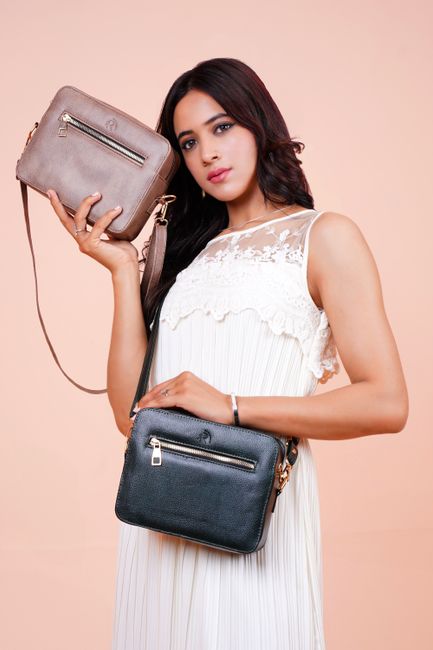
Understanding these elements can help you make informed decisions while shopping, ensuring that you invest in a handbag that meets both your style and functional requirements.
Identifying Signs of Low-Quality Handbags
While recognizing quality is essential, it is equally important to identify the signs of low-quality handbags. Being aware of these indicators can save you from making a regrettable purchase. Here are some common warning signs to look out for:
- Cheap Materials: Low-quality handbags are often made from inferior materials that may look good initially but will wear out quickly. Faux leather that feels overly plastic or fabric that is thin and flimsy are indicators of poor quality.
- Poor Stitching: One of the most apparent signs of low quality is inconsistent or poorly executed stitching. If you notice loose threads, uneven stitching, or seams that are not properly aligned, it’s a clear indication that the handbag is not built to last.
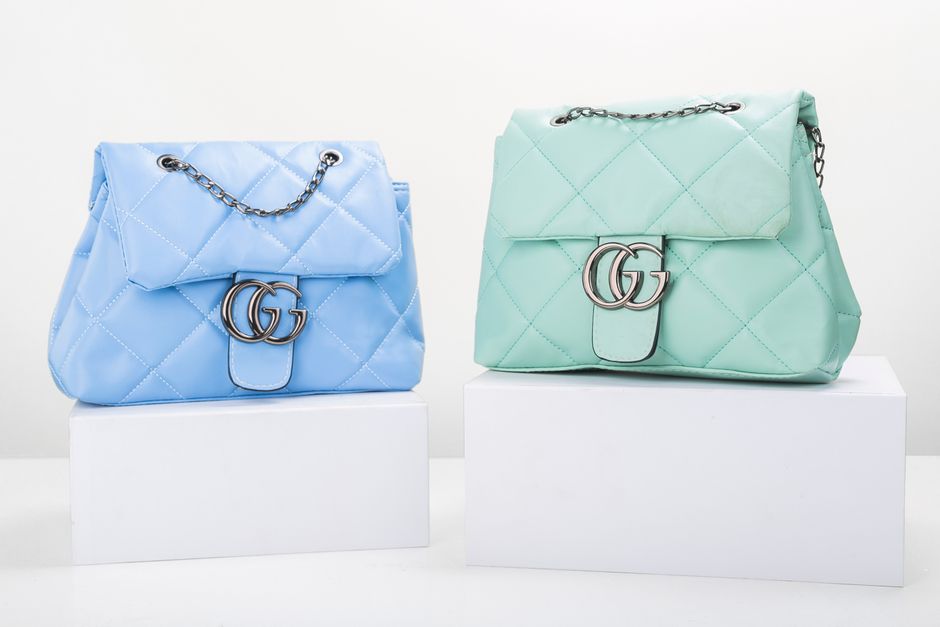
- Inconsistent Branding: Authentic brands take pride in their branding, so if a handbag has misspelled logos or inconsistent branding elements, it is likely a counterfeit or low-quality product. Always check for brand authenticity, especially when purchasing online.
- Lack of Warranty: Reputable brands often offer warranties or guarantees on their products. If a seller does not provide any warranty or return policy, it may be a red flag indicating that the product lacks quality assurance.
Being vigilant about these signs can help you avoid low-quality handbags that may not provide the durability or style you desire.

Material Comparison: Genuine Leather vs. Faux Leather Handbags
When shopping for handbags, one of the most significant factors to consider is the material from which the bag is made. Genuine leather and faux leather (synthetic leather) are the two most common materials used in handbag production. Each has its own advantages and disadvantages, and understanding these can help you make a more informed purchasing decision.
Genuine Leather Handbags
Genuine leather is made from animal hides, typically cowhide, and is known for its durability, luxurious feel, and unique aesthetic. It often develops a beautiful patina over time, which enhances its character. Here are some pros and cons to consider:
- Pros:
- Durability: Genuine leather is exceptionally durable and can last for many years, making it a worthwhile investment.
- Aesthetic Appeal: Each piece of leather is unique, giving handbags a distinctive look that can’t be replicated.
- Comfort: Leather bags tend to be more comfortable to wear and mold to your body over time.
- Value Retention: High-quality leather handbags often retain their value well, making them good options for resale.
- Cons:
- Price: Genuine leather handbags are usually more expensive than their faux counterparts.
- Maintenance: They require regular care, including conditioning and cleaning, to prevent cracking and drying out.
- Ethical Concerns: Some consumers prefer to avoid animal products for ethical reasons.
Faux Leather Handbags
Faux leather, or synthetic leather, is made from plastic materials, primarily polyurethane (PU) or polyvinyl chloride (PVC). It offers a similar look to genuine leather but comes with its own unique set of characteristics.
- Pros:
- Affordability: Faux leather handbags are typically much less expensive than genuine leather options.
- Animal-Friendly: Being made from synthetic materials, faux leather is a vegan alternative.
- Easier Maintenance: These bags are usually easier to clean and maintain since they are less susceptible to stains and water damage.
- Variety: Faux leather comes in a wide range of colors and textures, giving shoppers more options for personalization.
- Cons:
- Durability: Faux leather is generally less durable than genuine leather and may wear out or tear over time.
- Comfort: It may not mold as comfortably to your body and can feel stiffer than genuine leather.
- Environmental Concerns: The production of synthetic materials can have environmental impacts, including pollution and non-biodegradability.
How to Choose Between Genuine and Faux Leather
When deciding between genuine leather and faux leather handbags, consider the following factors:
- Budget: If you’re looking for an affordable option, faux leather is the way to go. For a long-term investment, genuine leather may be more suitable.
- Usage: Consider how often you will use the handbag. If it’s for everyday use, durability and comfort may be more critical, thus favoring genuine leather.
- Style Preference: If you prefer a more classic, timeless look, genuine leather is often favored. Conversely, if you enjoy trendy or vibrant styles, faux leather can offer more options.
- Care and Maintenance: Think about how much time you are willing to dedicate to maintaining your handbag. If you prefer low-maintenance items, faux leather is likely the better choice.
Care and Storage Tips for Handbags
Taking care of your handbags, regardless of the material, is essential to ensure their longevity and maintain their appearance. Here are some practical care and storage tips:
Cleaning Your Handbag
Regular cleaning is crucial for both genuine and faux leather handbags. Here’s how to do it properly:
- Genuine Leather: Use a soft, damp cloth to wipe away dirt and dust. For deeper cleaning, use a leather cleaner specifically designed for leather products. Always test the cleaner on a small, inconspicuous area first.
- Faux Leather: Wipe with a damp cloth and mild soap. Avoid harsh chemicals that may damage the finish. For tough stains, a gentle scrub with a soft brush can be effective.
Storing Your Handbag
Proper storage can prevent damage and maintain the shape of your handbag:
- Keep It in Shape: Use dust bags or pillow inserts to help maintain the shape of your handbag when not in use.
- Avoid Direct Sunlight: Store your handbags in a cool, dry place away from direct sunlight to prevent fading and cracking.
- Hang or Lay Flat: If possible, hang your handbag or lay it flat rather than cramming it into a tight space.
Seasonal Considerations
In Pakistan, where climates can vary greatly from one season to another, consider the following:
- Monsoon Season: If your handbag is made of genuine leather, avoid exposing it to excessive moisture. Opt for faux leather during the rainy season for peace of mind.
- Summer Heat: High temperatures can affect both materials. Ensure your bags are stored in a cool environment to prevent cracking in leather and melting or warping in faux leather.
- Winter Care: Protect your bags from snow and salt, especially if they are made of genuine leather. Clean them properly after exposure to harsh winter elements.
Price vs. Value: Understanding the Cost of Quality Handbags
When it comes to purchasing handbags, it can be challenging to navigate the difference between price and value. Just because a bag is expensive doesn’t necessarily mean it is high quality, and conversely, a lower-priced bag may offer excellent value. Understanding how to evaluate price versus value is essential.
What Influences Handbag Pricing?
- Brand Reputation: Established brands often command higher prices due to their reputation for quality and craftsmanship.
- Material Quality: The type of material used—genuine leather vs. faux leather—significantly affects the price. Genuine leather tends to be pricier due to its durability and aesthetic appeal.
- Design and Craftsmanship: Unique designs and meticulous craftsmanship can drive up the cost. Handmade or limited-edition items often carry a premium price tag.
Assessing Value
Value is about what you get for what you pay. Here are some factors to help you assess the value of a handbag:
- Longevity: A higher-priced handbag that lasts for years may provide better value than a cheaper option that wears out quickly.
- Functionality: Consider whether the handbag meets your needs in terms of space, compartments, and versatility. A functional bag that suits multiple occasions can offer greater value.
- Resale Potential: Some handbags retain their value well, making them good investments. Research the resale market to understand how well a brand or style holds up over time.
When to Buy vs. Wait
Timing your purchase can also impact the price you pay for a handbag:
- Seasonal Sales: Many retailers offer discounts during seasonal sales, especially during holidays or clearance events. Keep an eye on sales at popular stores like Daraz, Metro, and Al-Fatah for potential savings.
- New Releases: If a new handbag model is about to be released, consider waiting for the current models to go on sale.
- End of Season: Retailers often discount bags at the end of a season to make room for new inventory. This can be an excellent time to snag quality items at a lower price.
How to Buy: The Decision-Making Process for Handbags
Purchasing a handbag can be a daunting task, especially with so many options available. To simplify the process, follow a structured decision-making approach:
Define Your Needs
Before browsing, consider your specific needs:
- Purpose: Are you looking for an everyday bag, a special occasion handbag, or something for travel?
- Size: Determine the size you need based on what you typically carry.
- Style: Identify your preferred styles, whether it’s a tote, crossbody, or clutch.
Research and Compare Options
Once you have a clear idea of your needs, research available options:
- Online Reviews: Read customer reviews and ratings on e-commerce platforms like Daraz or Metro to gauge the quality and satisfaction level of handbags.
- Brand Comparisons: Compare similar handbags from different brands to determine which offers the best combination of price, quality, and style.
- Visit Stores: If possible, visit physical stores to see and feel the bags in person before purchasing.
Make the Purchase
When you’re ready to buy, consider the following:
- Check Return Policies: Ensure the retailer has a favorable return policy in case the handbag doesn’t meet your expectations.
- Look for Discounts: Before finalizing your purchase, search for any available coupons or promotional codes.
- Secure Payment Options: Always use secure payment methods when purchasing online to protect your financial information.
Building Trust: Recognizing Reputable Handbag Brands
In a marketplace filled with various options, identifying reputable handbag brands can help you make more confident purchases. Here are some criteria to evaluate brand trustworthiness:
Brand Reputation and History
Research the brand’s history and reputation in the market:
- Longevity: Established brands with a long history are often more reliable.
- Customer Feedback: Look for brands with positive reviews and testimonials from customers.
- Industry Recognition: Awards and recognitions from fashion industry bodies can indicate quality and reliability.
Quality Control Measures
Reputable brands often have stringent quality control measures in place:
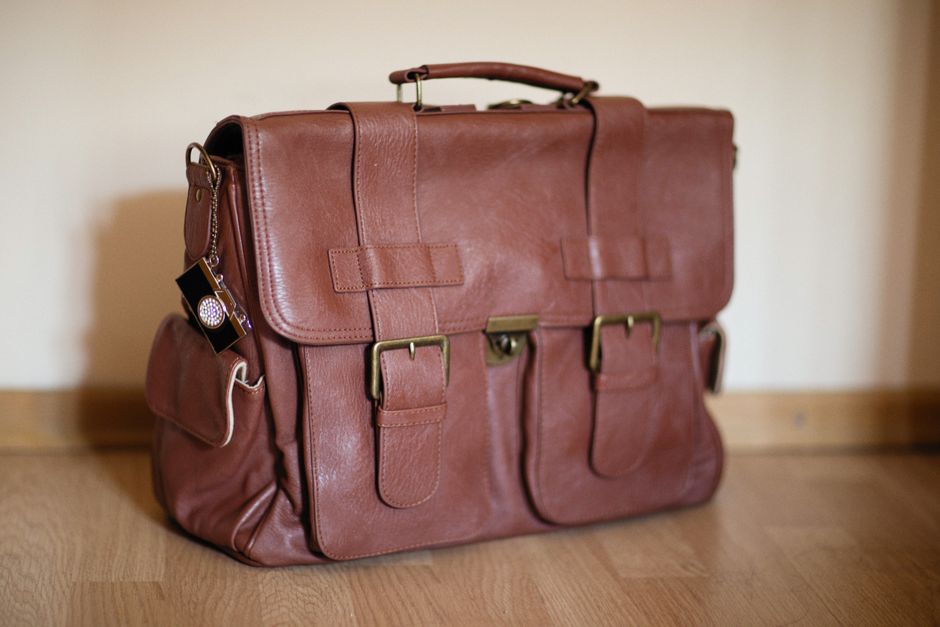
- Craftsmanship Standards: Brands that prioritize craftsmanship are likely to produce higher-quality handbags.
- Transparency: Companies that are transparent about their manufacturing processes and materials tend to be more trustworthy.
- Warranty and Return Policies: A solid warranty and return policy can reflect a brand’s confidence in its products.
Expert Tips for Choosing the Right Handbag
To help you make an informed decision, here are some expert tips for choosing the right handbag:
Assess Your Wardrobe
Consider the colors and styles of your existing wardrobe. Choose a handbag that complements your outfits and can be used for various occasions.
Prioritize Functionality
Think about how you will use the handbag. Look for features such as pockets, adjustable straps, and ease of access to ensure it fits your lifestyle needs.
Test for Comfort
If possible, try the handbag on before purchasing. Check how it feels on your shoulder or in your hand, and ensure it’s comfortable for extended wear.
Trust Your Instincts
Finally, trust your instincts. If a handbag feels right in terms of style, fit, and quality, it’s likely a good choice for you.
Consider the Occasion
When choosing a handbag, it’s essential to think about the occasions you’ll be using it for. Different events call for different styles. For example, a structured tote or a chic crossbody may be perfect for work, while a smaller clutch might be more suitable for evening outings. Assess your social calendar and select handbags that can transition easily from day to night or from casual to formal settings.
Evaluate Color and Design Versatility
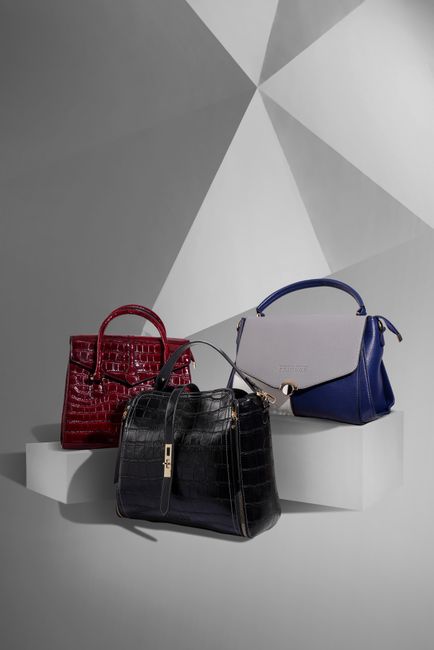
Opt for colors and designs that offer versatility. Neutral colors like black, brown, or beige can match a wide variety of outfits, while bold colors can add a pop to a more subdued wardrobe. Additionally, consider classic designs that won’t go out of style quickly. Handbags with timeless silhouettes, such as the satchel or hobo style, can be more enduring choices, making them worthwhile investments.
Check the Brand’s Reputation
Before making a purchase, do a little research on the brand. Look for reviews and testimonials from other customers, particularly regarding durability and customer service. Brands with a strong reputation often stand behind their products and provide warranties or guarantees, which can be a significant reassurance when investing in a higher-priced handbag.
Investigate Return Policies
Before finalizing your purchase, familiarize yourself with the return policy of the retailer. In Pakistan, many online platforms like Daraz, Metro, and Al-Fatah offer flexible return options, which can be crucial if the handbag does not meet your expectations upon arrival. Knowing that you can return or exchange a handbag will give you peace of mind and encourage you to make a confident purchase.
Be Wary of Too-Good-to-Be-True Deals
While hunting for the perfect handbag, it’s easy to get lured in by prices that seem too good to be true. If you encounter a designer handbag being sold at a fraction of its typical price, approach with caution. This could be a sign of counterfeit goods. Check for authenticity by examining the packaging, labels, and materials used. Genuine products will come with quality packaging and may include authenticity cards or serial numbers.
Utilize Online Comparison Tools
Take advantage of online tools that compare prices and features across different platforms. Websites like PriceOye or even a simple Google search can help you find the best deals on handbags from various retailers. This not only helps ensure you’re getting a fair price but also allows you to see customer reviews and ratings from multiple sources before making a decision.
Stay Informed About Seasonal Sales
In Pakistan, major shopping seasons like Eid, Independence Day, and Black Friday often come with significant discounts on fashion items, including handbags. Keeping an eye on these seasonal sales can help you snag high-quality handbags at lower prices. Sign up for newsletters from your favorite brands or stores to stay informed about upcoming sales and exclusive offers.
