
Ladies Dresses
Ready-to-Wear vs Unstitched Suits: Which Is Better?
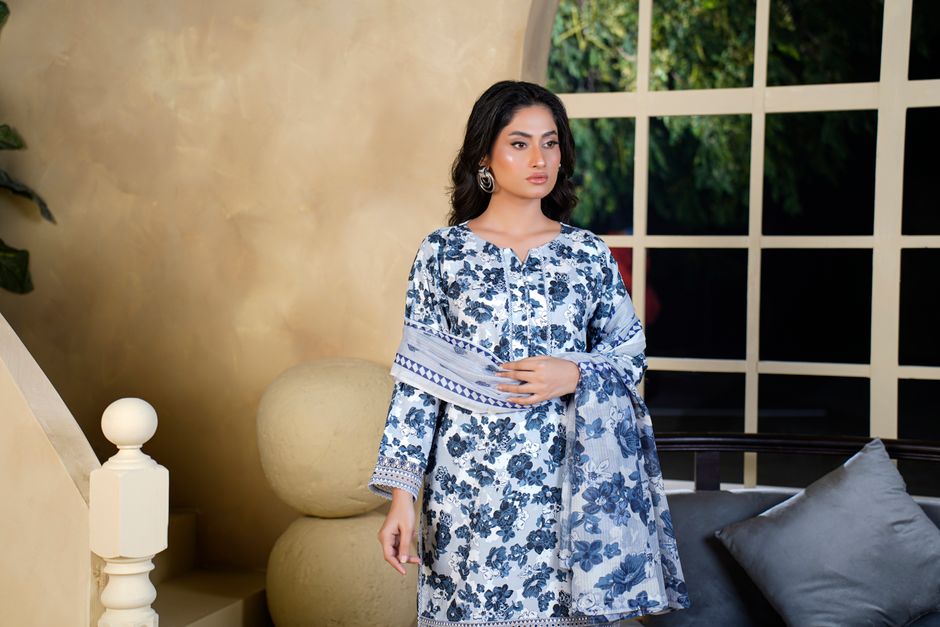
Jun
Understanding the Basics: Ready-to-Wear vs Unstitched Suits
When it comes to choosing the right suit, the decision between ready-to-wear and unstitched options can significantly impact your look and comfort. Understanding the nuances between these two styles is essential for making an informed choice. Ready-to-wear suits offer convenience, ideal for those who are always on the go, while unstitched suits provide an opportunity for customization. But how do these options truly compare? Let’s dive deep into the specifics.
What Are Ready-to-Wear Suits?
Ready-to-wear suits, also known as off-the-rack suits, are tailored suits that come pre-made, allowing for immediate availability. Designed using standardized measurements, these suits are generally available in a wide array of sizes and styles, catering to various body types and fashion preferences.
Advantages of Ready-to-Wear Suits
- Convenience: Since these suits are mass-produced, they can be purchased quickly without waiting for tailoring.
- Variety: A plethora of styles, fabrics, and color options are available, catering to different tastes.
- Affordability: Generally, ready-to-wear suits are more budget-friendly compared to custom options.
Disadvantages of Ready-to-Wear Suits
- Fit Issues: The fit may not be perfect due to standard sizing, often requiring additional tailoring.
- Less Unique: These suits lack the personalization that many individuals desire.
- Fabric Quality Concerns: As some ready-to-wear suits are produced in bulk, the quality of fabric may vary.

What Are Unstitched Suits?
The term unstitched suits refers to fabric that is sold without any pre-made measurements or stitching. It provides customers with the opportunity to have a suit custom-tailored to their specifications. Unstitched suits are available primarily as fabric kits, which include enough material to create the desired outfit, often consisting of a kurta or sherwani along with matching bottoms.
Advantages of Unstitched Suits
- Customization: Each suit can be tailored to fit perfectly, accommodating individual body shapes and sizes.
- Unique Style: Customers can choose fabric, style, and detailing, resulting in a one-of-a-kind creation.
- Quality Control: The fabric quality generally tends to be better, as you can select premium materials.
Disadvantages of Unstitched Suits
- Time-Consuming: Custom tailoring takes additional time, unlike the immediate availability of ready-to-wear options.
- Cost: While offering superior quality, unstitched options can be more expensive after considering tailoring costs.
- Requires Design Knowledge: Selecting the right fabric and design may be challenging for some customers.
Comparative Analysis: Ready-to-Wear vs Unstitched Suits
To help you weigh the options more easily, here is a friendly comparison table outlining the key features of each type of suit:
| Feature | Ready-to-Wear Suits | Unstitched Suits |
|---|---|---|
| Time to Purchase | Immediate | Variable |
| Customization | No | Yes |
| Fit | Standard Sizes | Custom Fit |
| Price Range | More Affordable | Higher for Tailoring |
| Fabric Quality | Varied | Typically Higher |
| Uniqueness | Less Unique | Highly Unique |
Expert Tips: How to Choose Between Ready-to-Wear and Unstitched Suits
Selecting the right suit hinges on a variety of personal factors. Here are several expert tips to guide your decision:
- Assess Your Lifestyle: If you lead a busy life and need something instantly wearable, a ready-to-wear suit may be the better option. However, if you value a custom look tailored to your personal style, consider unstitched.
- Consider the Occasion: For formal events, a tailored unstitched suit can elevate your appearance. Conversely, for less formal occasions, a ready-to-wear suit would suffice.
- Budgetary Constraints: Evaluate your budget and determine how much you are willing to spend. Remember that unstitched suits often come with additional tailoring costs.
- Know Your Body Type: Understanding your specific fit needs will help in deciding if you require a custom-tailored approach.
- Seek Professional Advice: If in doubt, consult with a tailor or fashion expert who can provide guidance based on your preferences and body type.
Common Mistakes to Avoid When Choosing a Suit
Many individuals make common errors when selecting between ready-to-wear and unstitched suits. Here are some pitfalls to steer clear of:
- Ignoring Fit: A poorly fitted suit, whether ready-to-wear or unstitched, will detract from your appearance. Always prioritize fit.
- Choosing Based on Price Alone: Investing in a quality suit pays off in terms of durability and comfort; don’t sacrifice quality for a lower price.
- Overlooking Care Requirements: Different fabric types come with unique care guidelines. Always check the care label to maintain the suit’s integrity.
- Skipping Tailoring: Even ready-to-wear suits may require minor tailoring adjustments for a perfect fit; don’t overlook professional tailoring options.
- Following Trends Blindly: While it’s great to want to look fashionable, prioritize what compliments your body type rather than succumbing to fleeting trends.

Conclusion: Making the Right Choice
Ultimately, the decision between ready-to-wear and unstitched suits revolves around individual needs, preferences, and circumstances. Ready-to-wear suits shine in terms of convenience and cost-effectiveness, making them an excellent choice for everyday wear. On the other hand, unstitched suits win when it comes to personalization, high-quality fabric, and overall fit. Consider your priorities, assess your needs, and make a choice that serves you well in both aesthetic and functional aspects of your wardrobe.
FAQs
Are ready-to-wear suits suitable for formal events?
Yes, ready-to-wear suits can be suitable for formal events, provided they fit well and are made from quality fabric. Opt for designs that align with professional or formal standards.
How long does it take to tailor an unstitched suit?
Tailoring an unstitched suit typically takes anywhere from one to three weeks, depending on the complexity of the design and your tailor’s workload.
Can I alter a ready-to-wear suit?
Absolutely! Tailors can make various alterations to ready-to-wear suits, including adjustments to the sleeves, waist, and trouser length for a better fit.
What are the best fabrics for a suit?
Wool is the best all-around fabric for suits, especially for formal settings. Cotton and linen are great for summer or casual wear, while synthetic blends can offer durability.
How do I care for my suit?
Suit care depends on the fabric. Generally, dry cleaning is recommended for wool suits, while cotton suits can be washed and ironed at home. Always check the label!
