
Healthy Foods
Top 10 Immunity Boosting Foods for Children & Adults
May
Why Immunity Matters for All Ages
Immunity is the body’s defense against pathogens and diseases. For children and adults alike, a strong immune system is crucial not just for fighting off colds and infections, but for overall health and well-being. Unfortunately, many people overlook nutrition as a key factor in boosting the immune system. In this article, we will explore the top 10 immunity-boosting foods that can be easily incorporated into daily diets for both children and adults, ensuring everyone can benefit from optimal health.
1. Citrus Fruits
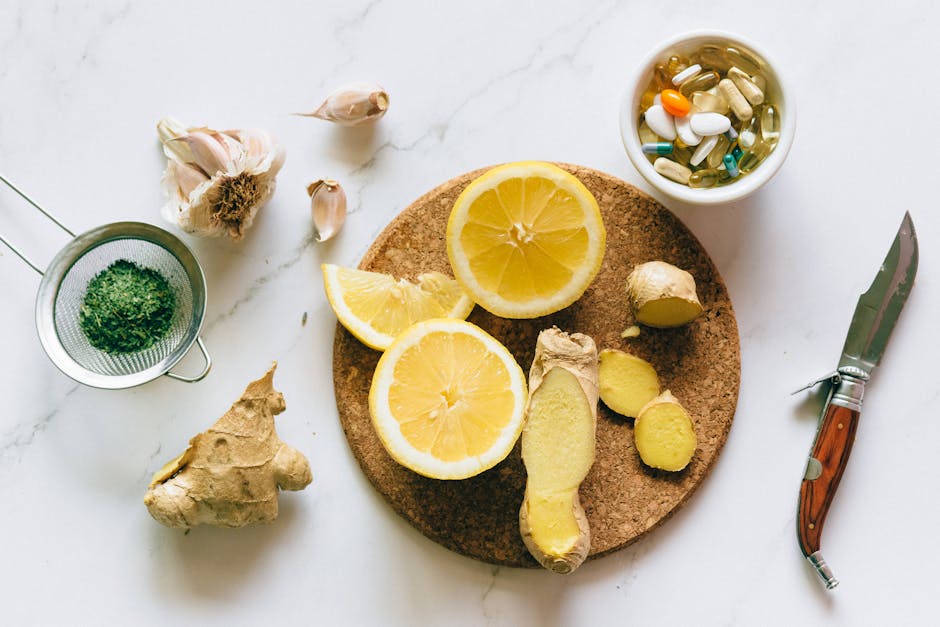
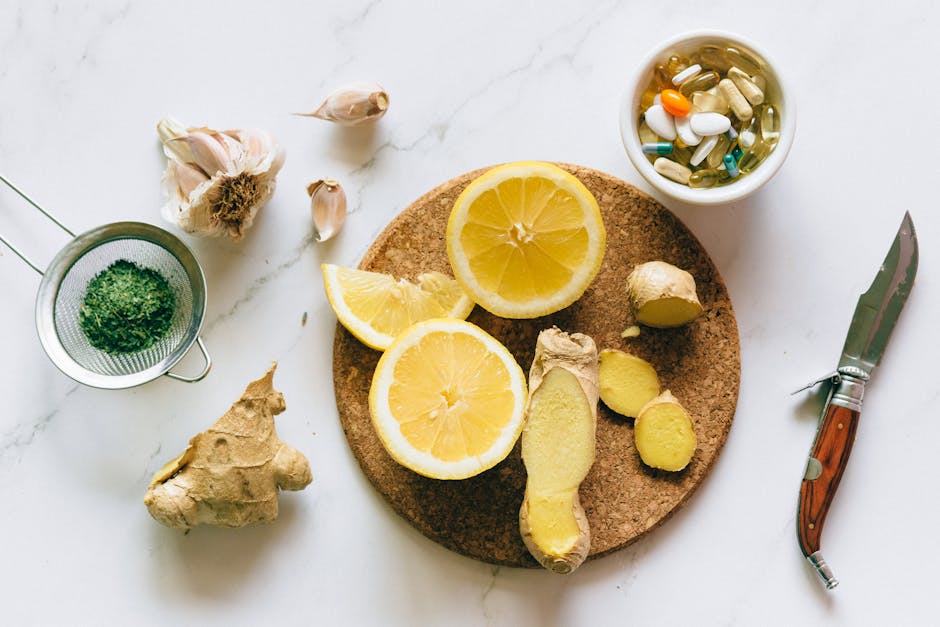
Citrus fruits like oranges, lemons, and grapefruit are loaded with vitamin C, a well-known immune booster. Vitamin C is essential for the production of white blood cells, which are vital for fighting infections. A single medium-sized orange contains about 70 mg of vitamin C, which is more than enough to meet your daily requirement. Including a variety of citrus fruits in your diet can significantly enhance your immune response.
Ways to Incorporate Citrus Fruits
- Add slices of lemon or lime into your water for flavor and a vitamin boost.
- Prepare a fresh fruit salad with oranges, grapefruits, and berries as a refreshing dessert.
- Use citrus juices as dressings for salads or marinades for poultry and fish.
2. Garlic
Garlic is more than a flavor enhancer; it contains allicin, a compound known for its antimicrobial properties. Studies suggest that garlic can reduce the severity and duration of colds and other respiratory infections. Including garlic in your cooking can not only add taste but also provide medicinal benefits that help boost immunity.
How to Use Garlic
- Roast whole garlic cloves and spread them on bread.
- Mix minced raw garlic into dressings and dips for a flavorful kick.
- Add garlic to stir-fries, soups, and sauces to enrich the flavor profile of meals.
3. Yogurt
Yogurt is rich in probiotics, which promote a healthy gut flora. A balanced gut microbiome is crucial for a robust immune system. Probiotics help stimulate the immune system by producing antibodies and enhancing the immune response. Choosing yogurt with live active cultures can support overall health considerably.
Creative Ways to Enjoy Yogurt
- Top yogurt with a mix of fresh fruits, nuts, and honey for a nutritious breakfast.
- Use yogurt as a base for smoothies along with fruits and vegetables.
- Make a yogurt-based dip for veggies, enhancing both flavor and health benefits.
4. Spinach
This leafy green is not only nutritious but also packed with antioxidants and vitamin C. Spinach contains flavonoids, carotenoids, and vitamin K, all contributing to immune health. Cooking spinach can enhance its nutrient absorption, making it easier for the body to utilize its health benefits.
Incorporating Spinach into Meals
- Add fresh spinach leaves to salads for extra crunch and nutrients.
- Sauté spinach as a side dish with garlic for added flavor.
- Blend spinach into smoothies, making it an easy addition to your breakfast.
5. Almonds
Almonds are a great source of vitamin E, a fat-soluble vitamin that plays a critical role in immune function. Just a handful of almonds provides nearly 50% of the recommended daily intake of vitamin E. This nutrient helps maintain immune health, especially during cold and flu season.
Suggestions for Eating Almonds
- Snack on a handful of raw or roasted almonds between meals.
- Top oatmeal or yogurt with sliced almonds for crunch and flavor.
- Incorporate almond butter in smoothies or as a spread.
6. Broccoli
Broccoli is one of the healthiest vegetables you can include in your diet. It is high in vitamins A, C, and E, fiber, and numerous antioxidants. Including broccoli in your meals can help improve overall health and, by extension, boost your immune system. Eating this vegetable raw or lightly cooked maximizes its benefits.
ways to Enjoy Broccoli
- Use broccoli in salads for added texture and nutrients.
- Steam broccoli lightly to retain nutrients for a side dish.
- Add chopped broccoli to stir-fries and casseroles for more nutritional value.

7. Green Tea
Green tea is rich in antioxidants called polyphenols, which may aid in enhancing immune function. It contains epigallocatechin gallate (EGCG), a powerful antioxidant that has shown promise in boosting immune responses. Switching from coffee to green tea can provide not only hydration but also offer a plethora of health benefits.
How to Incorporate Green Tea
- Start your day with a cup of green tea instead of coffee.
- Create homemade iced green tea beverages during warmer months.
- Experiment with matcha powder in smoothies and baking for added flavor and benefits.
8. Ginger
Ginger is well-known for its anti-inflammatory and antioxidant properties. Its active compounds, such as gingerol, help enhance the immune system’s effectiveness. Adding ginger to your meals can reduce the risks of infections and illnesses.
Ways to Use Ginger
- Make ginger tea by steeping fresh ginger slices in hot water.
- Add grated ginger to smoothies for an immunity kick.
- Incorporate ginger into stir-fries and soups to enhance flavor.
9. Turmeric
Turmeric contains curcumin, a compound with strong anti-inflammatory and antioxidant effects. Regular consumption of turmeric may help improve the immune system and prevent illness. Use turmeric in cooking to take advantage of its potential health benefits.
Incorporating Turmeric
- Add turmeric to rice dishes for color and flavor.
- Mix turmeric powder into soups and stews for a healthy boost.
- Blend turmeric with milk for a soothing golden milk beverage.
10. Sweet Potatoes
Sweet potatoes are rich in beta-carotene, which your body converts into vitamin A. This vitamin is critical for a healthy immune system. Including sweet potatoes in your diet can help improve your body’s defenses against infection and diseases.
Ways to Enjoy Sweet Potatoes
- Roast sweet potatoes as a nutritious side dish.
- Use sweet potatoes in soups for added thickness and flavor.
- Make sweet potato fries as a healthier alternative to regular fries.

Common Mistakes When Boosting Immunity Through Diet
While incorporating the right foods into your diet is essential for boosting immunity, certain mistakes can undermine those efforts:
- **Neglecting Variety:** Focusing solely on one or two foods instead of a mix can deprive the body of essential nutrients.
- **Overcooking Vegetables:** Cooking vegetables at high temperatures for too long can lead to nutrient loss. Aim for light cooking methods to preserve vitamins.
- **Ignoring Hydration:** Staying hydrated is equally important for immune health. Drinking sufficient water helps maintain bodily functions and transport nutrients.
Expert Tips for Optimizing Immunity
- Include a colorful variety of foods in your diet to ensure a wide range of nutrients.
- Combine immune-boosting foods in meals for better absorption. For example, pairing spinach with nuts enhances the absorption of vitamin E.
- Maintain a balanced diet, combining carbohydrates, protein, and healthy fats to support overall health.
- Consider meal prepping to make it easier to include healthy foods throughout the week.
Summary of the Best Immunity-Boosting Foods
| Food | Key Nutrients | Benefits |
|---|---|---|
| Citrus Fruits | Vitamin C | Enhances white blood cell production |
| Garlic | Allicin | Antimicrobial properties |
| Yogurt | Probiotics | Promotes gut health |
| Spinach | Vitamins A, C, E | Rich in antioxidants |
| Almonds | Vitamin E | Supports immune function |
| Broccoli | Vitamins A, C, E | High in antioxidants |
| Green Tea | Polyphenols | Enhances immune response |
| Ginger | Gingerol | Anti-inflammatory properties |
| Turmeric | Curcumin | Reduces inflammation |
| Sweet Potatoes | Beta-carotene | Boosts vitamin A levels |
FAQs
1. What foods can I eat to boost my child’s immunity?
Citrus fruits, yogurt, spinach, and broccoli are excellent choices. They provide essential vitamins and probiotics that support healthy immune function.
2. How often should I include immune-boosting foods in my diet?
Incorporate a variety of immune-boosting foods into your daily diet to ensure you receive a comprehensive range of nutrients.
3. Are there any foods to avoid for a healthy immune system?
Limit the intake of processed foods, sugars, and unhealthy fats, as they can negatively impact immune function.
4. Can drinking water really help my immune system?
Yes, staying hydrated is vital for maintaining bodily functions and supports overall health, including immune response.
5. How can adults and children alike enjoy these foods?
Both adults and children can benefit by incorporating these foods into meals, such as making smoothies, salads, and snacks that are appealing to all age groups.
