
food
How to Choose the Best Healthy Snacks for Work and Study in Pakistan
Aug
Understanding the Nutritional Value of Healthy Snacks Available in Pakistan
When it comes to selecting healthy snacks, understanding nutritional value is crucial. In Pakistan, the variety of snacks available can sometimes be overwhelming, and not all options are created equal. Healthy snacks should provide essential nutrients that support your energy levels and cognitive function, especially during long hours of work and study.
The ideal healthy snack should include a balance of macronutrients: carbohydrates, proteins, and fats. Carbohydrates provide quick energy, but opting for complex carbohydrates, such as whole grains or fruits, ensures longer-lasting energy. Proteins help in muscle repair and growth, while healthy fats, found in nuts and seeds, are vital for brain health.
For instance, dry fruits like almonds and walnuts not only offer healthy fats but also contain fiber, which aids digestion and helps you feel fuller for longer. On the other hand, snacks that are processed and high in sugar may provide an initial energy boost but can lead to a crash later, affecting your productivity.
When choosing snacks, look for options that are rich in vitamins and minerals. For example, snacks that include honey are not only delicious but also come with health benefits, such as antibacterial properties and natural sweetness without refined sugars. Always check the nutritional labels for serving sizes and the presence of added sugars or preservatives.
In summary, selecting healthy snacks means prioritizing nutritional content over convenience. By understanding what constitutes a balanced snack, you can make informed choices that enhance your focus and productivity.
Benefits of Including Dry Fruits, Nuts, and Honey as Snacks
Incorporating dry fruits, nuts, and honey into your snacking routine offers numerous health benefits that are particularly beneficial for those engaged in work or study. These snacks are not just tasty but also nutrient-dense, making them ideal choices for maintaining energy levels throughout the day.
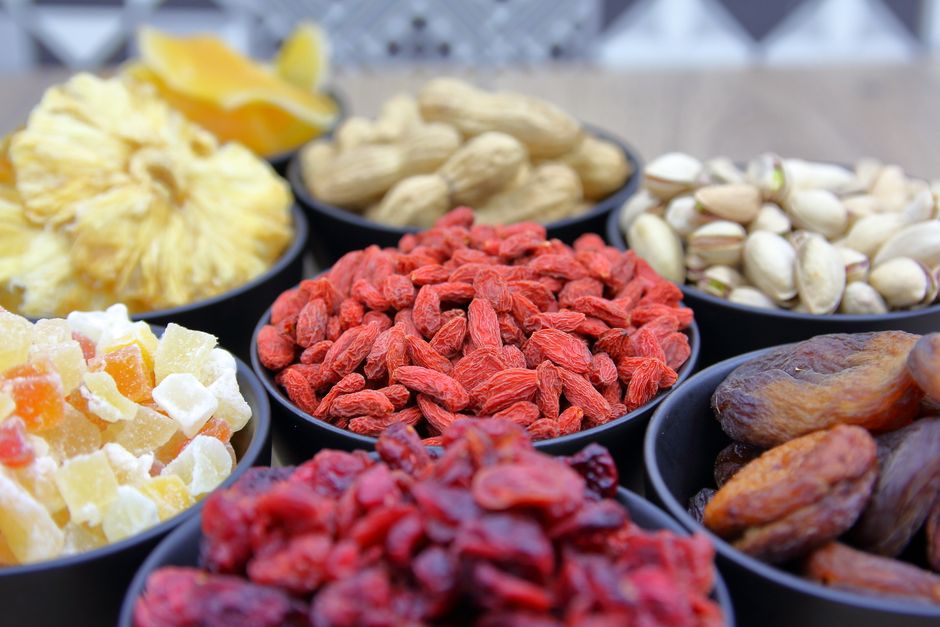
Dry fruits, such as apricots, figs, and dates, are rich in natural sugars, fiber, and essential vitamins. For instance, dried apricots are high in vitamin A, which supports eye health, while figs are loaded with calcium and iron, crucial for bone health and energy production. Including these in your snack rotation can significantly improve your nutrient intake without the need for elaborate preparations.
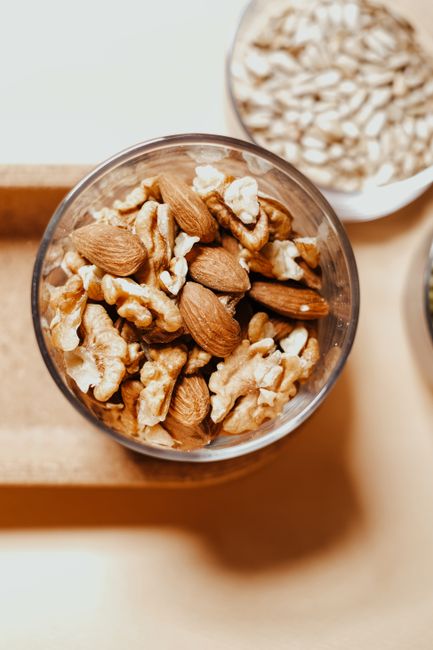
Nuts, such as almonds, walnuts, and pistachios, provide healthy fats and proteins that are essential for brain function. Eating a handful of nuts can enhance memory and cognitive performance, making them a perfect snack for students and professionals alike. Additionally, nuts are known to promote heart health and can help in managing weight, as they keep you satiated.

Honey, often overlooked as a snack ingredient, is a fantastic natural sweetener that can elevate the taste of various healthy snacks. It offers quick energy and has been shown to improve athletic performance. Moreover, honey has antioxidant properties and can help with digestive issues. Pairing honey with nuts or adding it to yogurt can create a wholesome snack that satisfies both hunger and sweet cravings.
By keeping a variety of these snacks on hand, you can easily avoid the temptation of unhealthy alternatives. They are not only convenient to carry but also versatile, allowing you to mix and match according to your taste and nutritional needs.
How to Identify Quality Products While Shopping Online
When shopping for healthy snacks online, especially in Pakistan, it’s essential to ensure you are purchasing quality products. The rise of e-commerce has made it easier to access a variety of snacks, but with this convenience comes the challenge of distinguishing between high-quality and subpar options.
Start by checking the product descriptions thoroughly. Look for information regarding the origin of the snacks, as locally sourced products are often fresher and can provide better nutritional value. For example, purchasing dry fruits from reputable local suppliers can guarantee authenticity and quality.
Another key factor to consider is the ingredient list. Quality snacks should have minimal ingredients, with no artificial preservatives or excessive added sugars. If you see long, complicated names, it might be best to look elsewhere. Additionally, certifications such as organic or natural can provide reassurance of product quality.
Customer reviews can also be invaluable when assessing the quality of snacks. Look for feedback specifically mentioning taste, freshness, and whether the product met the buyer’s expectations. High ratings and positive reviews are indicators of a reliable product.
Lastly, consider the packaging. Quality snacks are often packaged in airtight containers to maintain freshness. If the packaging looks damaged or unsealed, it may indicate a problem with the product inside. Avoid buying items that do not meet your standards for quality and safety.

Practical Tips for Preparing and Storing Healthy Snacks for Work and Study
1. Plan Ahead: Create a Snack Schedule
To ensure you always have healthy snacks on hand, it’s beneficial to plan your snacks for the week ahead. Designate specific days for preparing certain snacks and stick to a schedule. For instance, reserve Sundays for preparing items like roasted nuts or energy bars, while Wednesdays can be for slicing fruits and veggies. This not only saves time but also helps in maintaining a balanced snacking routine.
2. Portion Control: Use Containers Wisely
Using portion control containers can help manage snack sizes effectively. Invest in small, reusable containers or zip-lock bags to portion out snacks. This makes it easier to grab a healthy option when you’re busy and reduces the temptation to overeat. For instance, pack 30-50 grams of mixed nuts or a serving of dried fruits in each container.
3. Focus on Freshness: Store Properly
Maintaining the freshness of your snacks is crucial for both taste and nutrition. For products like fruits and vegetables, consider using airtight containers. Dried fruits and nuts should be kept in a cool, dry place, preferably in glass jars or vacuum-sealed bags to prevent moisture and spoilage. Keeping them in the refrigerator can also help prolong their shelf life.
4. Quick and Nutritious: Easy-to-Make Snacks
Consider preparing snacks that are quick to make and require minimal ingredients. Examples include:
- Yogurt Parfaits: Layer yogurt with fresh fruits and a sprinkle of granola.
- Nut Butter and Apple Slices: Slice apples and pair them with almond or peanut butter for a satisfying crunch.
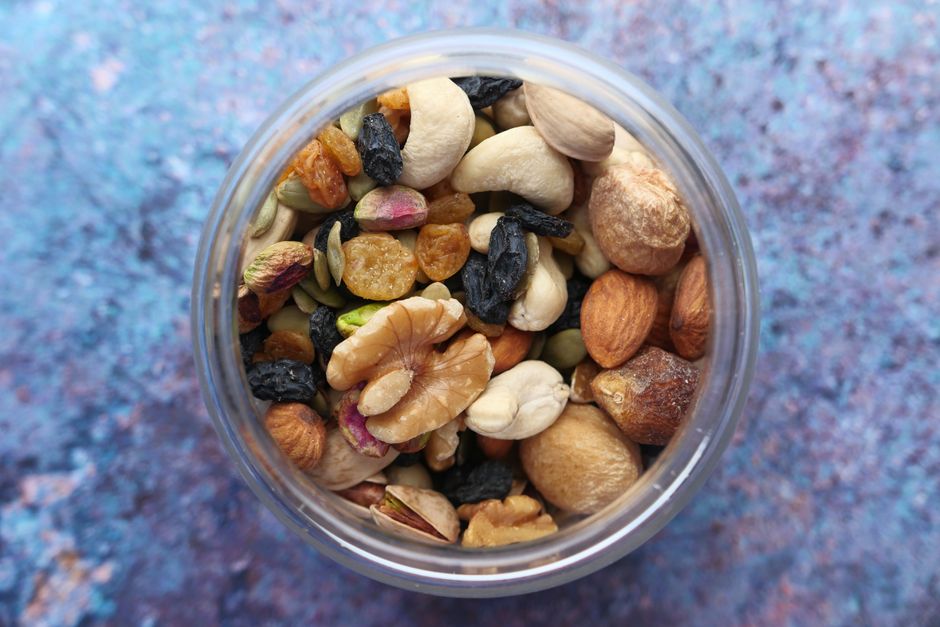
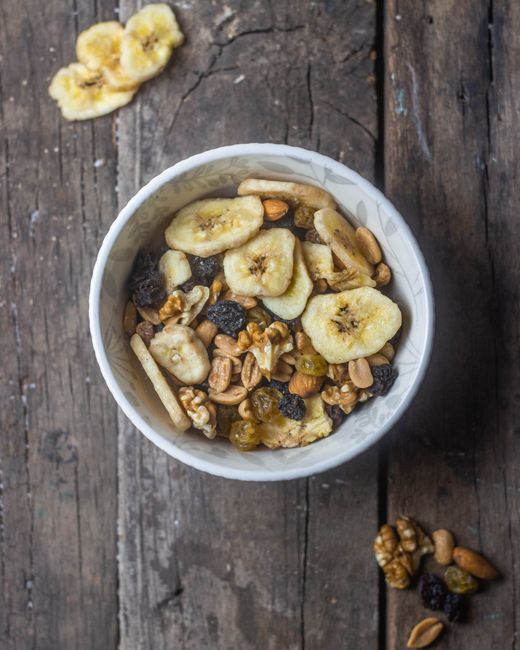
- Trail Mix: Combine nuts, seeds, and dried fruits for a nutritious energy booster.
Having these ready-to-eat snacks can save time and prevent unhealthy choices when you’re busy.
5. Labeling for Convenience
Label your containers with the type of snack and the date it was prepared. This helps in managing freshness and ensures you consume snacks while they are still at their best. It also makes it easier to grab the right snack when you’re in a hurry.
6. Keep It Interesting: Variety is Key
To prevent snack fatigue, rotate different snacks weekly. Introduce new fruits, nuts, or healthy bars to keep your options exciting. This not only helps you maintain interest but also ensures a wider range of nutrients in your diet. Consider seasonal fruits and local specialties to add diversity to your snacks.
7. Utilize Local Ingredients
Make the most of local ingredients available in Pakistani markets. Items like chickpeas, lentils, and seasonal fruits can be prepared easily and stored for snacking. For example, roasted chickpeas seasoned with spices make a crunchy, healthy alternative to chips and are readily available at local grocery stores.
8. Avoid Processed Foods
While preparing snacks, stay clear of highly processed foods that can be loaded with sugars, preservatives, and unhealthy fats. Instead, focus on whole foods that provide natural nutrition. For instance, opt for homemade energy balls made from oats, honey, and peanut butter instead of store-bought granola bars.
9. Be Mindful of Allergies and Preferences
When preparing snacks for yourself or your family, keep in mind any allergies or dietary preferences. Always have a few options available that cater to different needs, such as gluten-free or nut-free snacks, ensuring that everyone has something to enjoy.
10. Make Use of Technology
Leverage apps or online resources to track your snacking habits and nutritional intake. Many apps can help you log your snacks and even suggest healthier alternatives based on your preferences. This can be particularly useful if you’re aiming to improve your diet for better work and study performance.
11. Seasonal Availability: Use Local Markets
Take advantage of seasonal fruits and vegetables that are not only fresh but also more affordable. Visiting local markets can yield great options for healthy snacks, such as mangoes in summer or oranges in winter. Incorporating these seasonal foods can enhance the nutritional value of your snack options while supporting local farmers.
12. Stay Hydrated
Don’t forget that hydration plays a vital role in maintaining energy levels during work and study sessions. Keep a bottle of water or infused water near your snacks. Sometimes, thirst can be mistaken for hunger, leading to unnecessary snacking. Staying hydrated can help you make more mindful choices.
Comparison of Popular Healthy Snack Options and Their Price Points
When it comes to choosing healthy snacks for work and study, understanding the variety of options available in Pakistan and their price points can greatly influence your decisions. Below, we’ll explore several popular healthy snacks, comparing their nutritional benefits and costs to help you make informed choices.
1. Nuts and Seeds
Nuts and seeds are dense in nutrients, providing a good source of healthy fats, protein, and fiber. Common varieties include almonds, walnuts, peanuts, sunflower seeds, and pumpkin seeds.
| Snack | Nutritional Benefits | Average Price (per kg) |
|---|---|---|
| Almonds | Rich in vitamin E, magnesium, and antioxidants. | Rs. 1,800 – Rs. 2,200 |
| Walnuts | High in omega-3 fatty acids and beneficial for heart health. | Rs. 3,000 – Rs. 3,500 |
| Peanuts | Good source of protein and healthy fats, also budget-friendly. | Rs. 300 – Rs. 600 |
| Sunflower Seeds | High in vitamin E, selenium, and magnesium. | Rs. 600 – Rs. 800 |
| Pumpkin Seeds | Rich in zinc, magnesium, and antioxidants. | Rs. 800 – Rs. 1,000 |
2. Dry Fruits
Dry fruits, such as apricots, figs, and dates, are not only delicious but also packed with essential nutrients and natural sugars that provide energy. They are ideal for quick snacking during busy workdays or study sessions.
| Snack | Nutritional Benefits | Average Price (per kg) |
|---|---|---|
| Dates | High in fiber and natural sugars, great for energy. | Rs. 800 – Rs. 1,200 |
| Dried Apricots | Rich in vitamin A and antioxidants. | Rs. 1,500 – Rs. 2,000 |
| Dried Figs | High in fiber, good for digestive health. | Rs. 2,000 – Rs. 2,500 |
3. Whole Grain Snacks
Whole grain snacks, including whole grain crackers and popcorn, offer a healthy alternative to refined snacks. They are high in fiber and can help keep you full longer.
| Snack | Nutritional Benefits | Average Price (per packet) |
|---|---|---|
| Whole Grain Crackers | High in fiber and essential nutrients. | Rs. 250 – Rs. 400 |
| Popcorn (unsalted) | Low in calories, high in fiber. | Rs. 150 – Rs. 250 |
4. Yogurt and Cheese Snacks
Yogurt and cheese are excellent sources of protein and calcium, making them great for snacking. Opt for low-fat or plain versions to maximize health benefits.
| Snack | Nutritional Benefits | Average Price (per 500g) |
|---|---|---|
| Plain Yogurt | High in probiotics, great for gut health. | Rs. 100 – Rs. 200 |
| Cottage Cheese | Rich in protein, low in fat. | Rs. 150 – Rs. 300 |
5. Fresh Fruits and Vegetables
Fresh fruits and vegetables are nature’s snacks, providing essential vitamins and minerals. They are often the most affordable option and can be found in local markets, especially when in season.
| Snack | Nutritional Benefits | Average Price (per kg) |
|---|---|---|
| Bananas | Good source of potassium and vitamin B6. | Rs. 100 – Rs. 150 |
| Apples | High in fiber and vitamin C. | Rs. 150 – Rs. 200 |
| Carrots | Rich in beta-carotene, great for vision. | Rs. 50 – Rs. 100 |
6. Energy Bars
Energy bars can be a convenient option for busy individuals. However, be cautious about added sugars and artificial ingredients. Look for bars made from whole ingredients like nuts, seeds, and oats.
| Snack | Nutritional Benefits | Average Price (per bar) |
|---|---|---|
| Granola Bars | High in fiber and can provide a quick energy boost. | Rs. 50 – Rs. 100 |
| Protein Bars | Great for muscle recovery and a filling snack option. | Rs. 100 – Rs. 200 |
When selecting healthy snacks, consider not only the price but also the nutritional value and how they fit into your daily dietary needs. It’s often beneficial to buy in bulk, especially for items like nuts and seeds, which can save you money in the long run. Seasonal fruits and vegetables not only add variety but also tend to be fresher and more affordable.
Making Informed Decisions: How to Buy Healthy Snacks Online
When it comes to purchasing healthy snacks online, especially in Pakistan, making informed decisions can save you time, money, and ensure that you get quality products. Here are some essential tips to help you navigate the online shopping landscape:
- Check Nutritional Labels: Always read the nutritional information provided on the product page. Look for snacks that are low in sugar, high in fiber, and contain healthy fats.
- Look for Certifications: Certifications like organic, gluten-free, or non-GMO can be indicators of quality. Brands that are transparent about their sourcing and production methods are generally more trustworthy.
- Compare Prices: Use price comparison tools or check multiple online retailers. Sites like Daraz, Metro, and Imtiaz often have competitive pricing, but it’s essential to ensure that you’re comparing similar products.
- Read Customer Reviews: Customer feedback can provide insight into the taste, texture, and overall satisfaction with the snacks. Look for products with a significant number of positive reviews.
- Check the Return Policy: Ensure the online store has a reasonable return policy in case the product does not meet your expectations.
Building Trust: Local vs. International Brands for Healthy Snacks
When choosing healthy snacks, you may find yourself deciding between local and international brands. Both have their advantages and disadvantages:
| Criteria | Local Brands | International Brands |
|---|---|---|
| Price | Generally more affordable due to lower shipping costs | Often pricier due to brand value and import taxes |
| Freshness | Typically fresher as they are produced locally | May have longer shelf lives but can be older stock |
| Variety | Limited selection; may focus on traditional snacks | Wider range of innovative and trendy snacks |
| Availability | Readily available in local markets and online | May be harder to find in local stores |
Ultimately, the choice between local and international brands will depend on your personal preferences, budget, and nutritional needs. Experimenting with both can give you a broader perspective on what fits your lifestyle best.
Expert Tips for Selecting the Best Healthy Snacks for Work and Study
Choosing the right snacks for work and study is crucial for maintaining energy levels and productivity. Here are some expert-approved tips:
- Opt for Portable Options: Choose snacks that are easy to carry, such as protein bars, mixed nuts, or single-serve fruit packs.
- Balance Macro Nutrients: Aim for snacks that contain a mix of carbohydrates, protein, and healthy fats to keep you satiated and focused.
- Plan Ahead: Prepare your snacks in advance to avoid impulse purchases of unhealthy options. Portion out snacks into small containers or bags for easy access.
- Stay Hydrated: Don’t forget to pair your snacks with plenty of water. Staying hydrated is essential for maintaining concentration.
Conclusion
Choosing the best healthy snacks for work and study in Pakistan involves understanding nutritional values, comparing products, and making informed decisions when shopping online. By focusing on quality, price, and convenience, you can ensure that your snacking habits support your health and productivity goals.
FAQ
- What are the best sources of protein in healthy snacks? Nuts, seeds, and protein bars are excellent sources of protein.
- How can I ensure the freshness of snacks purchased online? Look for products with a clear expiration date and purchase from reputable online vendors.
- Are local brands better than international ones for healthy snacks? It depends on your preferences; local brands may offer fresher options, while international brands may provide a wider variety.
- What should I consider when buying snacks in bulk? Check for expiration dates, storage requirements, and whether the snacks maintain their quality over time.
- Can I find healthy snacks in local grocery stores? Yes, many local grocery stores in Pakistan now stock a variety of healthy snacks, including dry fruits and nut mixes.
