
Honey
How to Use Honey in Everyday Cooking: Practical Tips and Recipes
Aug
Health Benefits of Honey in Cooking
Incorporating honey into your cooking not only enhances flavor but also offers a range of health benefits. Rich in antioxidants, honey is known to help the body fight oxidative stress, which can lead to chronic diseases. Additionally, it contains natural sugars that provide a quick energy boost, making it a healthier alternative to refined sugars.
Honey also has antibacterial properties, which can aid in digestion and may help alleviate symptoms of sore throats and coughs. Using honey in cooking allows you to enjoy these health benefits while adding a natural sweetness to your dishes. Whether you’re drizzling it over a salad, mixing it into a marinade, or using it in baking, honey can be a versatile ingredient that enhances both flavor and nutrition.
Moreover, honey is a natural sweetener that can reduce the need for processed sugars in your recipes. When cooking with honey, it’s important to remember that it is sweeter than sugar, so you can use less of it to achieve the desired sweetness. This not only makes your meals healthier but also allows for a unique flavor profile that can elevate traditional dishes.
Ways to Incorporate Honey into Traditional Pakistani Recipes
Using honey in traditional Pakistani recipes can add a delightful twist to familiar flavors. Here are several ways to incorporate honey into popular dishes:
- Honey in Chai: Adding a teaspoon of honey to your morning chai can provide a natural sweetness and enhance the aromatic flavors of spices like cardamom and cinnamon.
- Honey-Glazed Chicken: For a simple yet flavorful dish, marinate chicken pieces in a mixture of honey, garlic, and soy sauce. Grill or roast the chicken for a deliciously sticky glaze that’s sure to impress.
- Honey in Raita: Mix honey into yogurt raita to balance the spiciness of dishes like biryani or kebabs. This adds a creamy texture with a hint of sweetness.
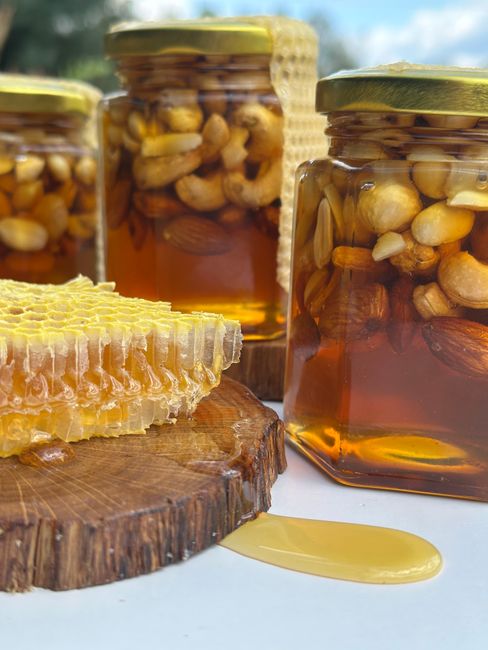
- Honey and Dry Fruits: Create a delightful snack by combining honey with assorted dry fruits such as almonds, walnuts, and figs. This not only enhances the flavor but also boosts the nutritional value.
- Honey in Desserts: Incorporate honey into traditional desserts like kheer or halwa for added sweetness and richness. It pairs particularly well with ingredients like saffron and nuts, creating a deliciously indulgent treat.
When using honey, consider the cooking methods as well. Honey can caramelize quickly, so it’s best to add it towards the end of the cooking process to prevent burning. Experimenting with different amounts can help you find the perfect balance for your taste.
Tips for Selecting Quality Honey While Shopping Online
When it comes to buying honey online, quality is key. Here are some tips to ensure you select the best honey for your cooking needs:
- Look for Raw Honey: Raw honey is minimally processed and retains more nutrients and enzymes compared to processed honey. This type of honey often has a richer flavor, making it ideal for cooking.
- Check for Purity: Ensure that the honey you are buying is pure and free from additives. Look for labels that indicate it is 100% pure honey without any artificial sweeteners.
- Read Reviews: Check customer reviews and ratings on e-commerce platforms to gauge the quality of the honey. Feedback from other buyers can provide valuable insights.
- Consider Local Sourcing: Opt for honey sourced locally in Pakistan. Local honey often has unique flavors that can complement regional dishes and is also fresher.
- Compare Prices: While quality is important, it’s also good to compare prices across different sellers. Look for deals that offer competitive pricing without compromising on quality.
When shopping online, you may also find honey packaged in various forms, such as liquid, comb, or creamed. Each type has its culinary uses, so consider what best fits your cooking style.
Storage and Usage Tips for Honey in the Kitchen
Proper storage and usage of honey are essential to maintain its quality and flavor, especially when incorporating it into your everyday cooking. Here are some key tips to ensure you get the most out of your honey supply:
Choosing the Right Storage Container
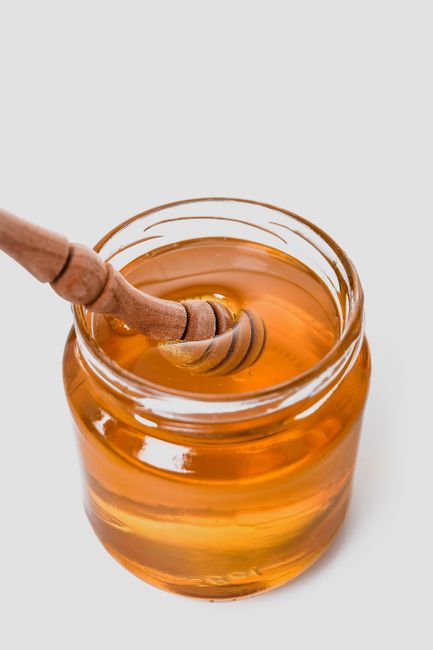
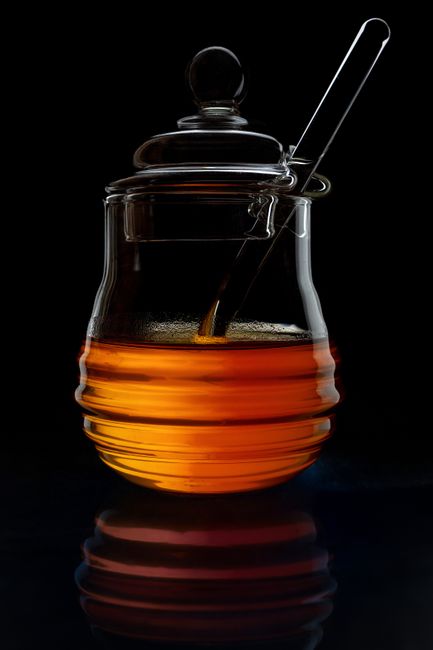
Honey should be stored in an airtight container to prevent moisture absorption, which can lead to fermentation. Glass jars are ideal, as they do not absorb odors or flavors. If you’re using plastic containers, ensure they are food-grade. Avoid storing honey in metal containers, as this can alter its flavor.
Optimal Storage Conditions
- Cool Temperature: Honey should be kept in a cool, dark place, ideally between 10-20°C (50-68°F). Avoid exposure to direct sunlight, which can degrade its quality.
- Humidity Control: High humidity can lead to moisture absorption, so avoid storing honey in the kitchen near sinks or dishwashers.
- Long Shelf Life: Honey has an indefinite shelf life when stored properly. It may crystallize over time, but this is a natural process and does not indicate spoilage.
Understanding Honey Crystallization
Crystallization is a common occurrence with natural honey, especially raw varieties. It can happen due to the presence of glucose and is not a sign of spoilage. If your honey crystallizes, simply place the jar in warm water to dissolve the crystals. Avoid microwaving, as it can destroy beneficial enzymes.
Using Honey in Cooking
When incorporating honey into your recipes, keep these tips in mind:
- Measurement Adjustments: If substituting honey for sugar in recipes, use about 2/3 cup of honey for every cup of sugar, and reduce the liquid by about 1/4 cup.
- Temperature Considerations: Honey can caramelize quickly, so when using it in baking, consider reducing the oven temperature by 25°F (about 15°C) to avoid burning.
- Flavor Pairings: Honey pairs well with spices commonly used in Pakistani cuisine, such as cardamom, cinnamon, and saffron. Consider these flavors when planning your dishes.
Using Honey as a Natural Preservative
Honey’s natural antibacterial properties make it an excellent preservative. You can use honey to sweeten and preserve fruits, such as in making fruit jams or chutneys. This not only enhances the flavor but also extends the shelf life of your preserves.
Special Considerations for Cooking with Honey
When using honey in cooking, remember that its flavor can vary greatly depending on the type of flowers from which the bees collected nectar. For example, wildflower honey has a different taste profile compared to clover honey. Experiment with different varieties to find your preferred flavor for different dishes.
Cleaning Up After Using Honey
Honey can be sticky and difficult to clean up. To make the process easier, use warm water and soap to clean utensils and containers. Soaking them for a few minutes before washing can help remove any sticky residue.
Tips for Reusing Honey Jars
Once you’ve finished a jar of honey, consider reusing it for other purposes:
- Storage for Spices: Use empty honey jars to store spices or herbs.
- DIY Gifts: Fill jars with homemade sauces or jams as thoughtful gifts for friends and family.
- Craft Projects: Empty jars can be used for various craft projects, such as candle holders or decorative containers.
Comparisons of Different Types of Honey
Recipes That Pair Well with Honey and Dry Fruits
Incorporating honey and dry fruits into your cooking not only enhances the flavor but also adds a healthy twist to your meals. Here are some delightful recipes that showcase the synergy of honey and dry fruits, making them perfect for any occasion.
Honey and Dry Fruit Energy Balls
A quick and easy snack, these energy balls are packed with nutrients and are perfect for a mid-day boost.
- Ingredients:
- 1 cup rolled oats
- 1/2 cup mixed dry fruits (dates, apricots, figs)
- 1/4 cup honey
- 1/4 cup nut butter (peanut or almond)
- 1/4 cup chopped nuts (walnuts or almonds)
- 1/2 tsp vanilla extract
- Instructions:
- In a food processor, combine the rolled oats, mixed dry fruits, honey, nut butter, chopped nuts, and vanilla extract.
- Pulse until the mixture is well combined.
- Roll the mixture into small balls and place them on a tray.
- Refrigerate for at least 30 minutes before serving.
Honey-Glazed Chicken with Dry Fruits
This savory dish combines the sweetness of honey with the richness of chicken and the texture of dry fruits, making it a family favorite.
- Ingredients:
- 500g chicken pieces (preferably thighs)
- 1/4 cup honey
- 1/4 cup yogurt
- 1/2 cup mixed dry fruits (raisins, apricots, cashews)
- 2 tbsp olive oil
- 1 tsp cumin powder
- Salt and pepper to taste
- Instructions:
- In a bowl, mix honey, yogurt, cumin powder, salt, and pepper to create a marinade.
- Add chicken pieces to the marinade, ensuring they are well coated. Let it marinate for at least 1 hour.
- Heat olive oil in a pan over medium heat and add the marinated chicken.
- Cook until golden brown, then add the mixed dry fruits and a splash of water. Cover and let simmer for 15 minutes.
Honey and Dry Fruit Paratha
This unique twist on traditional paratha makes for a delicious breakfast or a sweet treat any time of the day.
- Ingredients:
- 2 cups whole wheat flour
- 1/2 cup mixed dry fruits (chopped)
- 1/4 cup honey
- 1/4 cup warm water (as needed)
- Ghee or oil for frying
- Instructions:
- In a mixing bowl, combine the whole wheat flour and chopped dry fruits.
- Gradually add honey and warm water to form a soft dough.
- Divide the dough into small balls and roll them out into flat discs.
- Heat a skillet over medium heat and cook each paratha, applying ghee or oil until golden brown on both sides.
Honey and Dry Fruit Smoothie
A refreshing smoothie to kickstart your day, combining the goodness of fruits with the natural sweetness of honey.
- Ingredients:
- 1 banana
- 1/2 cup yogurt
- 1/4 cup mixed dry fruits (soaked in water for a few hours)
- 2 tbsp honey
- 1/2 cup milk (or almond milk)
- Instructions:
- In a blender, combine the banana, yogurt, soaked dry fruits, honey, and milk.
- Blend until smooth and creamy.
- Serve chilled, garnished with a sprinkle of chopped nuts if desired.
Honey-Dipped Dry Fruits
This simple yet elegant dish makes a perfect snack or dessert, showcasing the natural flavors of dry fruits enhanced by honey.
- Ingredients:
- 1 cup assorted dry fruits (figs, apricots, dates)
- 1/4 cup honey
- 1 tsp cinnamon (optional)
- Instructions:
- In a bowl, drizzle honey over the assorted dry fruits.
- If desired, sprinkle with cinnamon for added flavor.
- Let it sit for about 15 minutes before serving to allow the flavors to meld.
These recipes not only highlight the delicious combination of honey and dry fruits but also provide a nutritious option for families. When purchasing honey for these recipes, it’s essential to select high-quality products as discussed in previous sections. Look for organic or raw honey, which can be found at local markets or online platforms like Daraz or Metro, ensuring you get the best flavor and health benefits.
Conclusion
Incorporating honey into your everyday cooking not only enhances flavors but also provides numerous health benefits. By debunking common misconceptions, you can confidently utilize honey in various recipes, from traditional Pakistani dishes to modern culinary creations. Remember to select high-quality honey from trusted sources available online or in local markets to ensure the best flavor and nutritional value. With a little creativity and the right knowledge, honey can become a staple in your kitchen.
FAQ
1. Can I use honey in baking?
Yes, honey can be used in baking, but it is advisable to reduce the amount of liquid in the recipe since honey adds moisture. It’s best to use honey in recipes that benefit from its unique flavor.
2. How should I store honey?
Store honey in a cool, dry place away from direct sunlight. It can crystallize over time, but this does not mean it has gone bad. Simply warm it slightly to return it to a liquid state.
3. Is raw honey better than processed honey?
Raw honey is generally considered more nutritious than processed honey as it has not been heated or filtered, retaining more of its natural enzymes, antioxidants, and nutrients.
4. Can I substitute sugar with honey in recipes?
Yes, you can substitute sugar with honey in recipes, but you should use less honey than sugar, as honey is sweeter. A good rule of thumb is to use about ¾ cup of honey for every cup of sugar and reduce the liquid in your recipe slightly.
5. What are the best types of honey for cooking?
For cooking, wildflower, clover, or orange blossom honey are great choices due to their mild and versatile flavors. Experiment with different varieties to find the best match for your dishes.
