
dry fruits and healthy snacking
The Ultimate Guide to Buying Quality Dry Fruits in Pakistan
Aug
Introduction
In recent years, the demand for dry fruits has surged in Pakistan, thanks to their numerous health benefits and versatility in nutrition. As consumers become more health-conscious, the market for quality dry fruits is booming. However, navigating this market can be tricky, especially for those new to purchasing these products. This ultimate guide aims to simplify the process of buying quality dry fruits in Pakistan, ensuring that you make informed decisions whether shopping online or at a local market.

Types of Dry Fruits Available in Pakistan
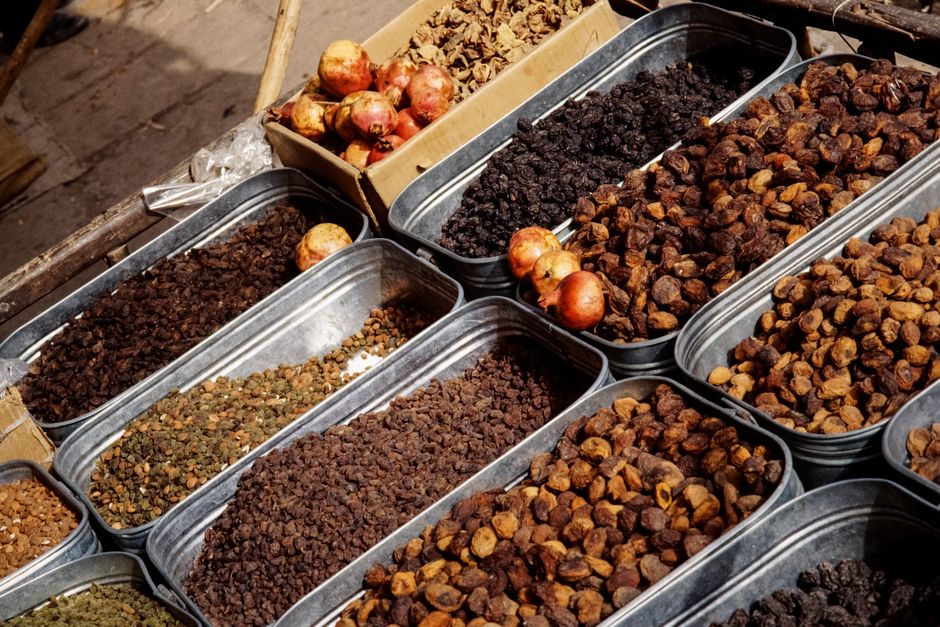
Pakistan is home to a wide variety of dry fruits, each with its unique flavor profile and health benefits. Understanding the types available can help you choose the right ones for your needs. Here are some of the most popular dry fruits you can find:
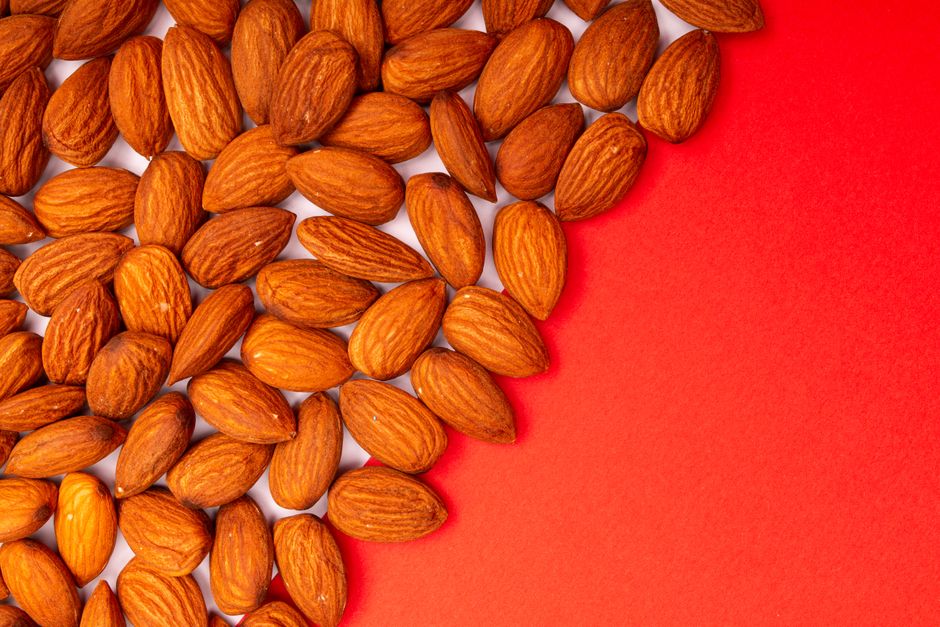
- Almonds: Known for their high vitamin E content, almonds are great for heart health and are often used in desserts and snacks.
- Walnuts: Rich in omega-3 fatty acids, walnuts are excellent for brain health and can be eaten raw or added to dishes.
- Pistachios: These are not only delicious but also packed with protein and fiber, making them a great snack option.
- Dates: A staple in many households, dates are naturally sweet and provide a quick energy boost, along with various vitamins and minerals.
- Raisins: Dried grapes, or raisins, are a common ingredient in many recipes and are high in antioxidants.
- Dried Apricots: These are rich in vitamins A and C, making them a healthy addition to your diet.
- Figs: Dried figs are a great source of calcium and fiber, often enjoyed in both sweet and savory dishes.
When shopping for dry fruits, consider the specific health benefits and uses of each type to make the best choice for your dietary preferences.

Health Benefits of Dry Fruits
Including dry fruits in your diet can offer numerous health advantages. Here are some of the key benefits:
- Rich in Nutrients: Dry fruits are concentrated sources of essential vitamins and minerals, such as potassium, magnesium, and iron.
- High in Antioxidants: Many dry fruits contain antioxidants that help combat oxidative stress and reduce the risk of chronic diseases.
- Heart Health: Nuts like almonds and walnuts are known to lower cholesterol levels and improve heart health.
- Digestive Aid: The fiber content in dry fruits helps promote healthy digestion and can prevent constipation.
- Weight Management: Dry fruits can be satiating, making them an excellent choice for those looking to manage their weight effectively.
Incorporating a variety of dry fruits into your daily diet can significantly enhance your overall health and wellbeing.
Where to Buy Quality Dry Fruits in Pakistan
When it comes to buying dry fruits in Pakistan, consumers have multiple options, each with its pros and cons. Here are some of the best places to consider:
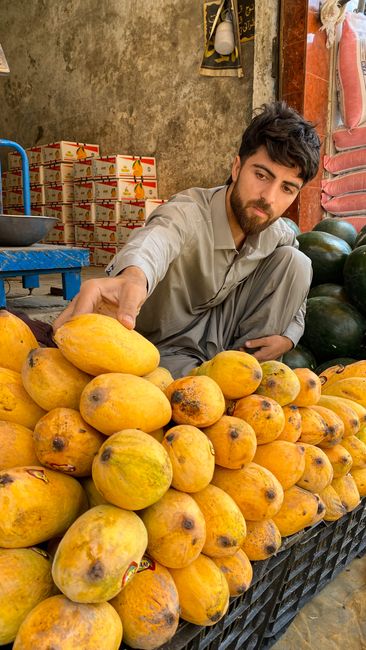
- Local Markets: Traditional markets often offer fresh, locally sourced dry fruits at competitive prices. However, quality can vary, so it’s essential to purchase from reputable vendors.
- Specialty Stores: Health food stores or specialty grocery shops typically carry a wide range of high-quality dry fruits, often organic. These stores may offer better quality assurance but can be pricier.
- Online Shopping: E-commerce platforms like ZarooriSaman.com provide a convenient way to purchase dry fruits from the comfort of your home. Online shopping allows you to compare prices and read reviews, ensuring you get the best quality.
- Wholesale Suppliers: For larger purchases, consider wholesale suppliers who often offer bulk rates. This can be a cost-effective option if you consume dry fruits regularly.
Regardless of where you choose to shop, always check for freshness and quality to ensure you’re getting the best product.
Tips for Selecting Quality Dry Fruits
Choosing quality dry fruits requires a keen eye and some knowledge. Here are essential tips to help you make the right selection:
- Check for Freshness: Look for dry fruits that are plump and not shriveled. Freshness often indicates higher quality.
- Avoid Additives: Read labels carefully to ensure that the dry fruits you choose do not contain added sugars, salt, or preservatives.
- Inspect Packaging: If buying packaged dry fruits, ensure the packaging is intact and free from moisture, which can lead to spoilage.
- Know Your Sources: Purchase from reputable brands or stores known for their quality, such as ZarooriSaman.com, which specializes in health-oriented products.
- Consider Organic Options: Opt for organic dry fruits when possible, as they are often free from harmful pesticides and chemicals.
Taking these precautions can help you select dry fruits that are not only tasty but also beneficial for your health.

The Role of Online Shopping in Buying Dry Fruits
Online shopping has revolutionized the way consumers purchase dry fruits in Pakistan. Here are some advantages of buying dry fruits online:
- Convenience: Shopping online allows you to browse a wide range of products at your own pace, without the pressure of salespeople.
- Price Comparisons: E-commerce platforms make it easy to compare prices across different brands and find the best deals.
- Customer Reviews: Many online stores provide customer reviews and ratings, offering insights into the quality and taste of the products.
- Home Delivery: Online shopping often includes home delivery options, saving you time and effort.
- Special Offers: E-commerce platforms frequently run promotions and discounts, making it easier to find great deals on quality dry fruits.
With the rise of digital shopping, consumers in Pakistan can enjoy the benefits of convenience and variety while selecting high-quality dry fruits.
{{IMAGE_1}}
{{IMAGE_2}}
Health Considerations When Consuming Dry Fruits
While dry fruits offer numerous health benefits, it’s important to consume them in moderation and be aware of certain considerations. Here are some factors to keep in mind:
- Caloric Density: Dry fruits are calorie-dense due to their reduced water content. For individuals monitoring their weight, it’s crucial to pay attention to portion sizes.
- Added Sugars: Some commercially available dry fruits may contain added sugars or preservatives, which can diminish their health benefits. Always check the ingredient list.
- Allergies: Some people may be allergic to specific dry fruits, such as cashews or almonds. If you have a known allergy, ensure you avoid those varieties.
- Digestive Issues: Consuming large quantities of dry fruits can lead to digestive discomfort, including bloating or gas, especially for those not accustomed to high fiber intake.
Popular Varieties of Dry Fruits in Pakistan
Pakistan boasts a rich variety of dry fruits that are not only delicious but also packed with nutrients. Here are some of the most popular options:
Almonds
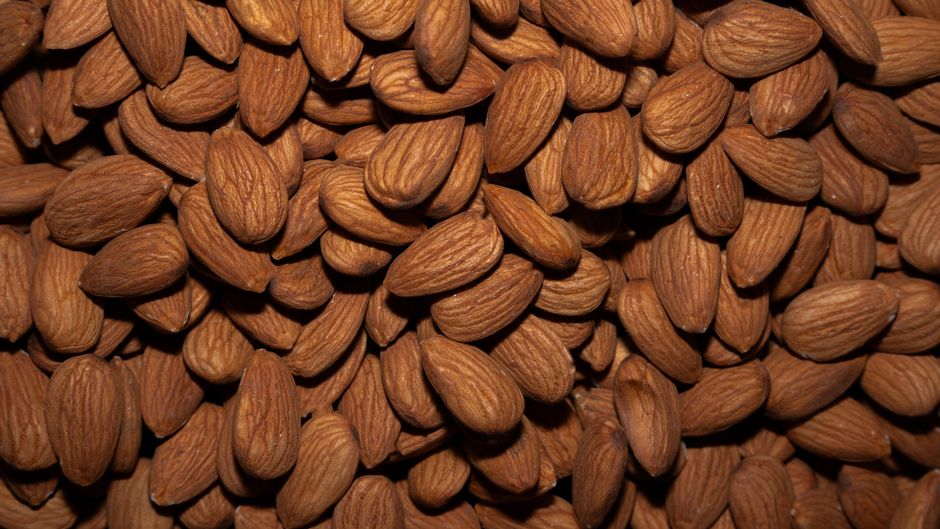
Almonds are widely consumed in Pakistan and are known for their high vitamin E content, which is beneficial for skin health. They can be enjoyed raw, roasted, or as almond milk.
Walnuts
Rich in omega-3 fatty acids, walnuts are great for heart health and brain function. They are often used in traditional sweets and desserts.
Pistachios
These green nuts are not only tasty but also a good source of protein and fiber. Pistachios can be eaten as a snack or added to various dishes for added crunch.
Raisins
Raisins are dried grapes and are often used in a variety of dishes, from biryanis to desserts. They contain natural sugars, making them a sweet and nutritious option.
Dates
Known for their high energy content, dates are a staple in many households. They are particularly enjoyed during Ramadan for their quick energy boost.
Recipes Incorporating Dry Fruits
Incorporating dry fruits into your meals can enhance flavor and nutrition. Here are a few simple recipes to consider:
Dry Fruit and Nut Energy Balls
This no-bake recipe is perfect for a quick energy boost. Combine equal parts of your favorite dry fruits (such as dates, apricots, and figs) with nuts (like almonds and walnuts) in a food processor. Roll the mixture into small balls and refrigerate for a healthy snack on the go.
Fruit and Nut Salad
A refreshing salad can be made by mixing fresh fruits with a variety of dry fruits and nuts. Use ingredients like apples, bananas, almonds, and raisins. Drizzle with honey or a splash of lemon juice for added flavor.
Dry Fruit Smoothie
Add dry fruits like dates and figs to your morning smoothie for natural sweetness and added fiber. Blend with yogurt, milk, or a dairy-free alternative along with your favorite fresh fruits and greens.
The Cultural Significance of Dry Fruits in Pakistan
In Pakistan, dry fruits hold a special place not only in everyday diets but also in cultural traditions. They are often associated with hospitality and are commonly offered to guests, especially during festive occasions.
During Ramadan
During the holy month of Ramadan, dates are particularly significant, as they are traditionally consumed to break the fast. The practice of sharing dry fruits among family and friends strengthens bonds and signifies generosity.
Weddings and Celebrations
During weddings and other celebrations, dry fruits are often included in gift baskets or as part of traditional sweets. They symbolize prosperity and health, making them a thoughtful gift for newlyweds and loved ones.
Environmental Impact of Dry Fruit Production
The production of dry fruits, like many agricultural practices, has environmental implications. Understanding these can help consumers make more informed choices.
Water Usage
Many dry fruits, particularly nuts, require significant amounts of water to grow. For example, almond farming is known for its high water consumption, which can strain local water resources in arid regions.
Pesticides and Organic Options
The use of pesticides in dry fruit cultivation can lead to environmental degradation and health risks. Choosing organic dry fruits can help reduce exposure to harmful chemicals and support sustainable farming practices.
Packaging Waste
The packaging of dry fruits can contribute to environmental waste, especially if single-use plastics are used. Consumers can look for brands that prioritize eco-friendly packaging options.
Storing Dry Fruits for Longevity
Proper storage of dry fruits ensures they maintain their flavor, texture, and nutritional value over time. Here are some tips for optimal storage:
- Airtight Containers: Store dry fruits in airtight containers to prevent moisture absorption and maintain freshness.
- Cool, Dark Place: Keep the containers in a cool, dark place, away from direct sunlight, which can lead to rancidity and spoilage.
- Refrigeration: For longer shelf life, consider refrigerating certain dry fruits, especially those high in oils, like nuts.
- Check for Freshness: Regularly check your dry fruits for any signs of spoilage, such as off smells or mold, and discard any compromised items.
Innovative Uses of Dry Fruits Beyond Snacking
Dry fruits can be utilized in various innovative ways beyond just snacking. Here are some creative ideas:
In Baking
Add chopped dry fruits to muffins, cookies, or bread for added texture and flavor. They can replace chocolates or sugary ingredients, making baked goods healthier.
As Toppings
Sprinkle dry fruits on top of yogurt, oatmeal, or cereal to enhance nutritional value and add a delightful crunch. They can also serve as a garnish for desserts, salads, and main dishes.
In Savory Dishes
Incorporate dry fruits into savory dishes like pilafs or curries. They can add a hint of sweetness that balances spices and enhances the overall flavor profile.
Comparative Analysis: Local vs. Imported Dry Fruits
When purchasing dry fruits, consumers often face the choice between local and imported varieties. Each has its own set of advantages and considerations:
Local Dry Fruits
Local dry fruits are typically fresher and may be more affordable due to lower transportation costs. Supporting local farmers also promotes sustainable agriculture and boosts the local economy.
Imported Dry Fruits
Imported dry fruits can offer unique flavors and varieties that may not be available locally. However, they may come with a higher price tag and potential quality concerns related to long-distance shipping.
Dry Fruits in Traditional Medicine
In traditional medicine practices, especially in South Asia, dry fruits have been used for centuries due to their perceived health benefits. Here are a few examples:
Almonds for Brain Health
Almonds are often recommended for improving memory and cognitive function. They are believed to enhance brain health due to their high content of vitamin E and omega-3 fatty acids.
Walnuts for Heart Health
Walnuts are traditionally considered beneficial for heart health. Their omega-3 fatty acids can help reduce cholesterol levels and improve cardiovascular function.
Figs for Digestive Health
Figs are well-known for their high fiber content, making them a popular choice for promoting digestive health. They are often suggested in traditional remedies for constipation and digestive disorders.
The Future of Dry Fruit Consumption
The demand for dry fruits is expected to grow as more people become aware of their health benefits. The future of dry fruit consumption in Pakistan may be influenced by several trends:
Health Awareness
As health consciousness increases, more consumers are likely to incorporate dry fruits into their diets, seeking healthier snack options and substituting them for processed snacks.
Innovative Products
With the rise of natural and organic products, we may see a surge in innovative dry fruit products, including energy bars, nut butter blends, and snack mixes that cater to health-conscious consumers.
Online Market Growth
The continued growth of online shopping will likely provide consumers with even more options for purchasing high-quality dry fruits. E-commerce platforms may also offer subscription services for regular deliveries of dry fruits, making it easier for consumers to maintain a healthy diet.
Interpreting Labels: Understanding Dry Fruit Packaging
When shopping for dry fruits, understanding packaging labels is crucial to ensure you’re making informed choices. Here are some key elements to look for:
Ingredient List
Always check the ingredient list for any additives, preservatives, or added sugars. Ideally, the list should be minimal, containing only the dry fruit itself without unnecessary ingredients.
Nutritional Information
Nutritional labels provide insight into calorie content, serving sizes, and the amounts of sugars, fats, and proteins. This information can help you choose products that align with your dietary needs.
Certification Labels
Look for certification labels such as organic or non-GMO, which can indicate higher quality and more sustainable farming practices. These certifications can provide peace of mind about the sourcing of your dry fruits.
Exploring Different Types of Dry Fruits
Understanding the various types of dry fruits available can also enhance your purchasing decisions. Each type of dry fruit offers unique flavors, textures, and nutritional profiles that cater to different preferences and dietary requirements.
Common Varieties
- Raisins: Dried grapes that are naturally sweet and rich in antioxidants, fiber, and iron.
- Dates: Known for their caramel-like sweetness, dates are high in fiber and can provide a quick energy boost.
- Dried Apricots: These are packed with vitamins A and C, potassium, and iron, making them a nutritious snack option.
- Dried Figs: Figs are rich in calcium and fiber, promoting digestive health and bone strength.
- Prunes: Often associated with digestive benefits, prunes are dried plums that help maintain bowel health.
Less Common but Nutrient-Dense Options
- Dried Mulberries: These tiny fruits are high in vitamin C and iron, providing a sweet and chewy snack.
- Dried Goji Berries: Known for their antioxidant properties, goji berries can enhance immune function and overall health.
- Dried Cherries: Tart and flavorful, dried cherries are high in antioxidants and can help reduce inflammation.
Choosing the Right Dry Fruits for Your Needs
When selecting dry fruits, consider your health goals and dietary preferences. For instance, if you’re looking to increase your fiber intake, opt for varieties like figs and prunes. If you prefer a low-calorie snack, raisins and dried apricots could be better choices. Additionally, pay attention to portion sizes, as dry fruits can be calorie-dense.
It’s also essential to consider how you plan to use these dry fruits. Whether you’re adding them to smoothies, salads, or baked goods, ensure that the flavors complement your dishes. Experimenting with different types can keep your meals exciting and nutritionally rich.
Conclusion
Understanding the labels and types of dry fruits can significantly enhance your shopping experience. By scrutinizing the ingredient lists, nutritional information, and certification labels, you can make informed choices that align with your health objectives. Additionally, exploring various dry fruit options allows you to diversify your diet while enjoying the unique flavors and health benefits they offer. With a bit of knowledge, you can easily incorporate dry fruits into your daily routine, making them a delicious and nutritious addition to your meals and snacks.
FAQ
- What are the health benefits of consuming dry fruits? Dry fruits are rich in vitamins, minerals, antioxidants, and fiber, contributing to improved digestion, heart health, and energy levels.
- How should I store dry fruits to maintain freshness? Store dry fruits in a cool, dry place in an airtight container. Refrigeration can extend their shelf life, especially for varieties with added oils.
- Can dry fruits be part of a weight loss diet? Yes, when consumed in moderation, dry fruits can be part of a weight-loss diet due to their nutrient density and ability to satisfy sweet cravings.
- Are there any allergens associated with dry fruits? Some dry fruits may be processed in facilities that handle nuts or other allergens, so it’s crucial to check packaging for allergen warnings.
- What is the difference between unsweetened and sweetened dry fruits? Unsweetened dry fruits contain no added sugars, while sweetened varieties have sugar added during processing, which can increase calorie content.
